
Where to Meet Reptile Owners to Buy, Sell, or Swap Snakes and Lizards Locally
November 1, 2026
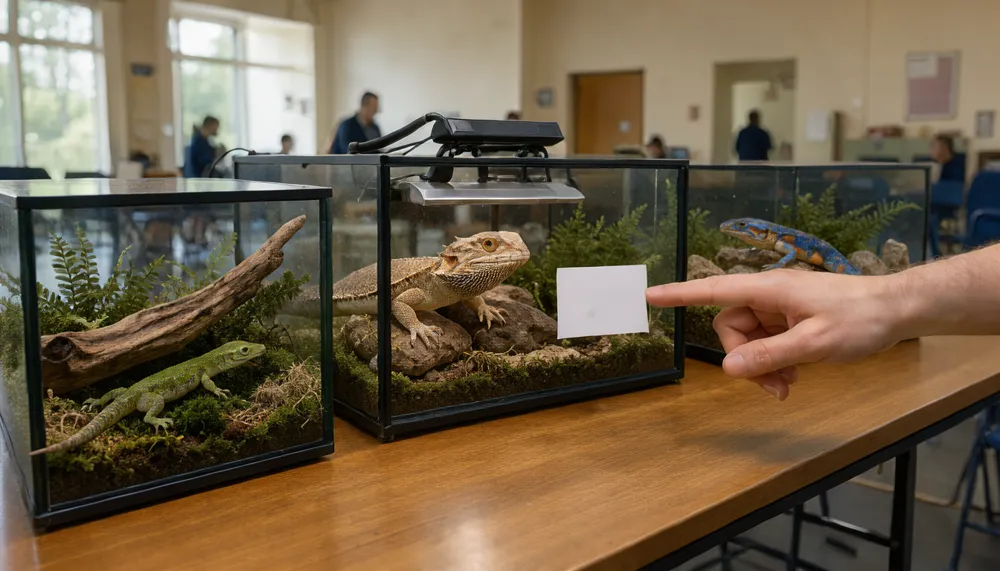
Finding the right reptile requires more than just browsing a catalog; it often involves connecting with people who share your passion for herpetology. Whether you are looking to acquire a new morph, sell a surplus clutch, or swap species with a fellow enthusiast, the local community is your best resource. However, navigating the world of private reptile transactions can be tricky. It requires knowing where to look, how to verify the health of the animals, and how to stay safe during exchanges. This guide explores the most effective ways to meet reptile owners in your area, keeping in mind that regulations and customs vary significantly by country.
Leverage Dedicated Reptile Forums and Social Groups
The most direct way to find local sellers is through online communities specifically designed for reptile keepers. Unlike general classified sites, these platforms attract serious hobbyists who understand the nuances of husbandry, genetics, and species-specific needs. Start by searching for regional Facebook groups, Reddit communities, or dedicated forums that focus on your specific country or state. Keywords like "reptile swap," "herp community," or "local reptile sales" are usually effective.
When joining these groups, take time to read the pinned rules. Many communities have strict guidelines about posting frequency, pricing transparency, and the requirement to show proof of ownership or breeding history. Engaging with the community before making a purchase helps you build trust. Ask questions about the seller’s experience and the animal’s history. A reputable owner will be happy to provide photos of the enclosure, feeding schedules, and shedding records. This preliminary interaction is crucial for filtering out casual sellers who may not be providing optimal care.
Utilize Local Classifieds with Caution
General classified websites remain a popular venue for buying and selling pets, including reptiles. While these platforms offer a high volume of listings, they also require a higher degree of vigilance. The lack of specialized moderation means you may encounter listings with poor photos, vague descriptions, or unrealistic pricing. To use these sites effectively, focus on sellers who provide detailed information. Look for listings that include the animal’s age, weight, sex, and any known health issues.
It is advisable to avoid transactions that seem too good to be true. If a rare morph is listed at a fraction of the market average, proceed with extreme caution. Always insist on meeting in person to inspect the animal before handing over money. If the seller refuses to meet locally and insists on shipping first, it is often a red flag. In many countries, shipping live animals requires specific permits and carrier restrictions, so a local pickup is not only safer but also logistically simpler for both parties.
Attend Reptile Expos and Swap Meets
If you prefer face-to-face interactions, attending reptile expos or swap meets is an excellent option. These events bring together breeders, hobbyists, and vendors in one location, allowing you to see multiple animals in a short time. Expos are particularly useful for comparing the quality of different breeders’ stock and asking questions directly to the experts. You can observe the animals’ behavior, check for signs of respiratory issues or mites, and discuss husbandry tips with the owners.
Keep in mind that the availability of these events varies by region. In some countries, large expos are held annually in major cities, while in others, smaller monthly swap meets are more common. Check local event calendars or ask in online forums for upcoming gatherings. When attending, bring cash in small denominations, as many private sellers prefer cash transactions to avoid processing fees. Also, bring appropriate transport containers. Having a secure, ventilated box ready for your new pet ensures a stress-free journey home and shows the seller you are prepared.
Connect with Local Herpetological Societies
For a more curated experience, consider joining a local herpetological society or club. These organizations are often composed of dedicated enthusiasts who prioritize ethical breeding and conservation. While they may not always have a high volume of animals for sale, the quality of the animals and the expertise of the members are typically higher. Members are often willing to mentor newcomers, offering advice on enclosure setups, diet, and veterinary care.
Societies often host monthly meetings, field trips, or educational workshops. Attending these events allows you to network with experienced keepers who may have animals to sell or swap. Because these groups are community-focused, reputation matters. Sellers are likely to be more transparent about the animal’s history and health because they value their standing within the group. If you are new to keeping reptiles, this environment provides a supportive network that can help you avoid common beginner mistakes.
Use Map-Based Discovery Tools
In addition to traditional forums and events, modern technology offers new ways to discover local listings. Some platforms aggregate posts from various social media sources and display them on a live map, allowing you to see what is available in your immediate vicinity. For example, TodayMap shows such posts on a free live map, helping you visualize where potential sellers are located relative to your home. This can be particularly useful in rural areas where sellers might not be active in large city-based groups.
Using a map-based tool can save time by filtering out distant listings that would require expensive or stressful shipping. It also helps you identify clusters of activity in your region. If you see multiple listings in a nearby town, it may indicate a strong local community worth exploring further. However, remember that these tools are aggregators; always verify the seller’s credibility through direct communication and by checking their history on the original platform where the post was made.
Prioritize Safety and Health Verification
Regardless of where you find the seller, safety and health verification are paramount. Always arrange to meet in a public place if possible, such as a pet store parking lot or a community center, especially for the first meeting. If the seller insists on a home visit, bring a friend along and let someone know where you are going. Trust your instincts; if the environment looks unsanitary or the animals appear lethargic, be prepared to walk away.
Before finalizing the deal, inspect the animal thoroughly. Look for clear eyes, clean nostrils, and smooth skin without retained shed or mites. Check the vent area for signs of fecal staining, which can indicate digestive issues. If you are buying a snake, ensure it is alert and has a strong grip. For lizards, check for tail regeneration issues or missing toes, which can indicate past injuries or poor husbandry. If you are unsure, consider bringing a reptile-savvy friend or asking the seller if you can take the animal to a vet for a quick check-up before paying the full amount.
Conclusion
Connecting with local reptile owners is a rewarding way to expand your collection while supporting the hobbyist community. By utilizing dedicated forums, attending expos, and leveraging map-based tools, you can find healthy animals and knowledgeable sellers. Always prioritize transparency, health checks, and safety during transactions. Remember that regulations regarding the sale and transport of reptiles differ by country, so familiarize yourself with local laws to ensure a smooth and legal exchange. With patience and due diligence, you will find the right companion for your home.
 How to Find a Trustworthy Neighbor to Pet-Sit Your Dog or Cat While You Travel
 Finding a Reliable Dog Walking Buddy for Urban Neighborhoods
 How to Arrange a Safe Indoor Cat Playdate with Other Local Cat Owners
 How to Find a Puppy Socialization Group at Your Local Pet Store or Park
 Finding a Safe Dog Playmate for Your Pet at the Local Off-Leash Beach
 Finding a Tennis Partner for Casual Matches at Public Courts