
Finding a Reliable Dog Walking Buddy for Urban Neighborhoods
November 21, 2026
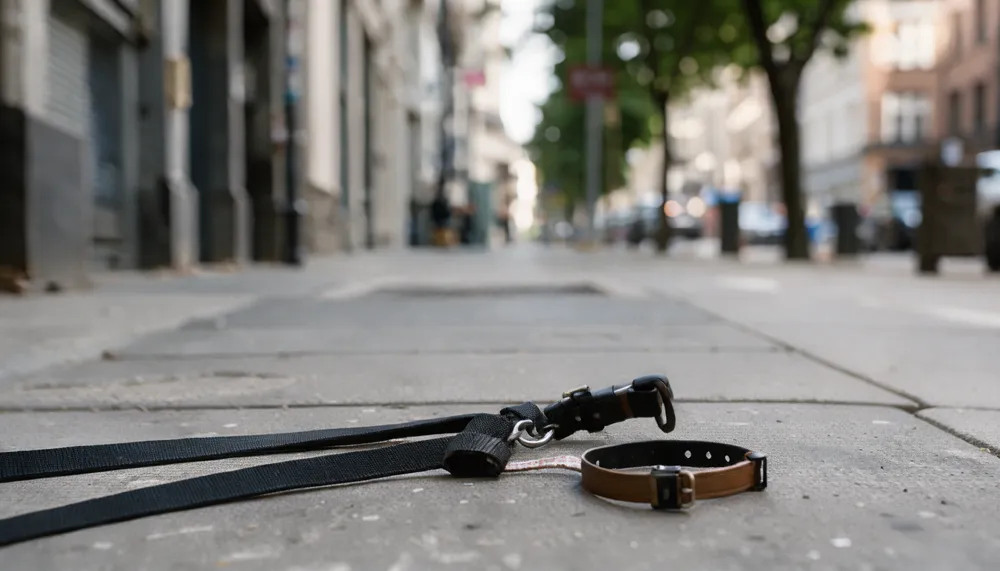
Living in a dense urban environment offers many conveniences, but it also presents unique challenges for dog owners. High-rise apartments, limited green spaces, and busy streets mean that finding a reliable companion for your daily walks is not just a luxury, but often a necessity for your pet’s well-being. Whether you are a busy professional, an elderly resident, or simply someone who wants to ensure their dog gets adequate exercise and socialization, connecting with a dependable walking buddy can make a significant difference. This guide explores how to identify, vet, and maintain a successful partnership with a dog walker or fellow owner in a city setting, keeping in mind that local norms and regulations vary significantly from country to country.
Understanding Your Specific Needs
Before you begin your search, it is essential to define what you actually need from a walking partner. Urban living constraints often dictate the type of support required. For instance, if you live in a building with strict elevator rules or limited ground-floor access, you might need someone who can handle the logistics of getting a dog in and out of the building efficiently. If your dog is reactive to traffic or other dogs, you may need a partner who is experienced in managing high-stimulation environments.
Consider the following questions to clarify your requirements:
- Schedule Flexibility: Do you need walks at specific times due to work hours, or are you looking for a partner who can adapt to changing schedules?
- Dog Temperament: Is your dog friendly and easy to handle, or does it require a handler with specific training skills to manage pulling, barking, or anxiety?
- Duration and Distance: Are you looking for a quick 15-minute potty break or a longer, more vigorous exercise session?
- Solo vs. Group: Do you prefer your dog to walk alone with the buddy, or are you comfortable with group walks if your dog is sociable?
Defining these parameters early helps you filter potential candidates effectively and ensures that both you and your dog are comfortable with the arrangement.
Where to Look for Potential Partners
Finding the right person requires looking in the right places. While word-of-mouth remains a powerful tool, digital platforms have made it easier to connect with neighbors who share similar interests. Start by asking neighbors in your building or immediate vicinity. People who live nearby are often the most reliable because they understand the specific layout of your neighborhood, including safe routes and potential hazards.
Online community boards and local social media groups dedicated to your neighborhood can also be valuable resources. These platforms allow you to post specific requests and see who is active in your area. Additionally, there are specialized platforms designed to connect pet owners with walkers. For example, TodayMap shows such posts on a free live map, allowing you to see who is looking for or offering walking services in your immediate vicinity. This visual approach can help you identify potential partners who are already active in your neighborhood, reducing travel time and increasing reliability.
When browsing these platforms, look for profiles that are detailed and updated. A profile that includes photos of the person with their own dogs, or clear descriptions of their walking style, is usually a good sign of engagement and seriousness.
Vetting for Reliability and Safety
Once you have a list of potential candidates, the next step is to vet them thoroughly. In an urban setting, trust is paramount because you are often handing over the keys to your home or entrusting your pet to someone in a public space. Start with a casual conversation to gauge their experience and approach to dog care.
Ask about their experience with dogs similar to yours in size, breed, and temperament. In cities, dogs often encounter cyclists, scooters, and crowds, so ask how they handle distractions. If they are a professional walker, ask about their insurance and liability coverage, as this varies by country and local regulations. If they are a fellow owner, ask about their own dog’s behavior and how they manage interactions between dogs.
Key questions to ask include:
- How do you handle emergencies, such as a dog getting loose or an injury?
- What is your policy if you are running late or need to cancel?
- Do you carry treats, waste bags, and a leash spare?
- How do you communicate during the walk? Do you send updates or photos?
It is also wise to check references if possible. If they are a professional, ask for contact information of current clients. If they are a neighbor, ask if they can provide a reference from another neighbor they have walked with. Trust your instincts; if something feels off during the initial conversation, it is okay to move on.
Navigating Local Customs and Regulations
One of the most important aspects of finding a walking buddy in an international context is understanding that customs and laws differ by country. What is acceptable in one city may be frowned upon or even illegal in another. For example, in some European cities, it is common for dogs to be off-leash in designated parks, while in many North American cities, strict leash laws apply everywhere except specific dog parks. In parts of Asia, the culture around pet ownership may be different, with fewer public spaces dedicated to dogs, requiring more careful route planning.
Be aware of local rules regarding waste disposal. In some neighborhoods, failing to pick up after your dog can result in fines, and neighbors may be more vigilant about enforcement. Ensure your walking partner is diligent about carrying waste bags and disposing of them properly. Additionally, consider the time of day. In hot climates, walking during midday may be discouraged or even prohibited for animal welfare reasons, so align your schedules with cooler parts of the day.
If you are an expat or new to the area, take time to learn the local etiquette. Observe how other dog owners interact in your neighborhood. Are they friendly and chatty, or do they keep to themselves? Understanding these social norms will help you and your walking partner blend in and avoid unnecessary conflicts with other residents.
Establishing Clear Communication and Expectations
A successful walking partnership relies on clear communication. Once you have selected a partner, establish a routine and set clear expectations from the start. This includes agreeing on the start and end points of the walk, the duration, and what to do in case of unexpected events. If you are using a professional service, review the contract carefully. If you are partnering with a neighbor, a simple written agreement can help prevent misunderstandings.
Discuss how you will handle payments if money is involved. In some cultures, cash is preferred, while in others, digital transfers are the norm. Agree on a schedule for payments to avoid awkwardness later. Also, decide how you will communicate during the walk. Some owners prefer real-time updates via text or app notifications, while others are happy with a summary at the end of the walk. Make sure both parties are comfortable with the chosen method.
It is also helpful to share any specific instructions about your dog. This might include commands they know, triggers to avoid, or medical needs. Provide a written sheet with this information and keep it updated. If your dog’s behavior changes, communicate this to your partner immediately.
Building a Long-Term Partnership
Finding a reliable walking buddy is not a one-time task but an ongoing relationship. To ensure longevity, show appreciation for their efforts. A simple thank-you note or a small gift during holidays can go a long way in strengthening the bond. Regular feedback is also crucial. If something is working well, let them know. If there are issues, address them promptly and politely.
Be flexible when possible. Urban life is unpredictable, and schedules can change. A good partner will understand if you need to adjust times occasionally, provided you give notice. In return, be respectful of their time and boundaries. If they are a professional, respect their working hours. If they are a neighbor, be mindful of their schedule and family commitments.
Finally, keep the relationship professional yet friendly. In a neighborhood setting, you may see each other regularly, so maintaining a positive rapport is beneficial for both you and your dog. If the partnership is not working out, be honest and direct. It is better to part ways amicably than to let resentment build up.
Conclusion
Finding a reliable dog walking buddy in an urban neighborhood requires a combination of clear self-assessment, diligent vetting, and an understanding of local customs. By defining your needs, leveraging community resources, and establishing open communication, you can find a partner who ensures your dog stays happy, healthy, and safe. Remember that every city and country has its own rhythm and rules, so stay adaptable and respectful of local norms. With the right partner, daily walks can become a joyful routine for both you and your pet, enhancing your quality of life in the city.
 How to Find a Trustworthy Neighbor to Pet-Sit Your Dog or Cat While You Travel
 How to Arrange a Safe Indoor Cat Playdate with Other Local Cat Owners
 How to Find a Puppy Socialization Group at Your Local Pet Store or Park
 Finding a Safe Dog Playmate for Your Pet at the Local Off-Leash Beach
 Finding a Tennis Partner for Casual Matches at Public Courts
 Meeting People Before and After Local Theater Performances