
Finding a Tennis Partner for Casual Matches at Public Courts
November 19, 2026
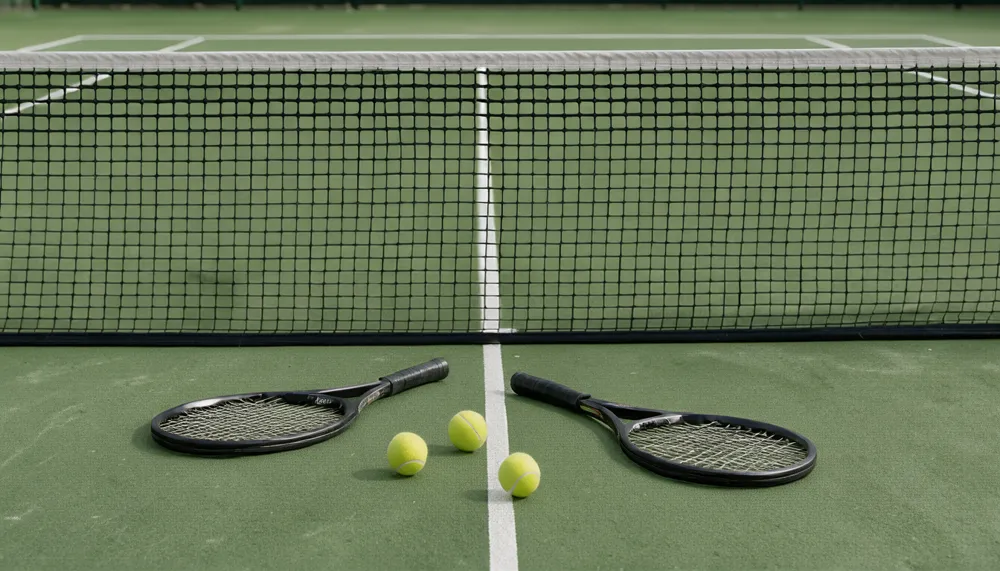
Playing tennis is a rewarding way to stay active, but it can be difficult to sustain a routine if you do not have a regular hitting partner. Many players find themselves standing alone at public courts, waiting for someone to join them, or struggling to coordinate schedules with friends who have conflicting availability. Finding a suitable partner for casual matches requires a mix of proactive searching, clear communication, and an understanding of local court etiquette. This guide outlines practical steps to help you connect with other players, whether you are in a bustling city park or a quiet suburban neighborhood. While the core principles of tennis are universal, remember that social customs and court usage rules vary significantly by country, so always observe local norms before approaching others.
Assess Your Skill Level and Goals
Before you begin searching for a partner, it is essential to have a realistic understanding of your own playing ability and what you hope to achieve from the session. Tennis is a sport where skill gaps can make the game frustrating for both parties if not managed correctly. A beginner looking to learn basic strokes will have a very different experience from an advanced player seeking competitive rallies.
- Define your level: Are you a beginner, intermediate, or advanced player? Be honest with yourself. If you are new to the sport, look for other beginners or patient intermediates who enjoy teaching.
- Clarify your intent: Do you want to practice drills, play sets, or just hit around casually? Some players prefer structured practice, while others want a relaxed game.
- Consider your schedule: Identify the times you are consistently available. Weekday mornings, lunch breaks, or weekend afternoons are common slots, but availability varies by region.
Knowing your parameters helps you filter potential partners effectively. It also allows you to communicate your needs clearly when you reach out to others, reducing the likelihood of mismatched expectations.
Utilize Local Community Resources
The most effective way to find a partner is often through channels that are already active within your local tennis community. While digital platforms are convenient, physical presence and local networks often yield more reliable connections.
- Public court bulletin boards: Many public parks and community centers have physical boards near the courts where players post notes seeking partners. Check these regularly and consider posting your own note with your availability and skill level.
- Local clubs and associations: Even if you do not want to join a club as a member, many offer open days or have notice boards accessible to the public. Staff at these facilities can often point you toward regular players who are looking for partners.
- Community centers and gyms: If you are a member of a local gym, ask the front desk if they have a tennis group or if any members are interested in hitting. These groups often have established routines and are welcoming to new faces.
- University and school courts: If you live near a university, check if their courts are open to the public during off-hours. Students and faculty often look for partners and may be more flexible with scheduling.
In some countries, such as those in Europe or Australia, community sports clubs are highly organized and may have specific "social tennis" nights. In other regions, informal gatherings at public parks are more common. Observe how people organize in your area and join in where appropriate.
Leverage Digital Platforms and Maps
In the digital age, online tools have made it easier to connect with players who share your location and interests. However, it is important to use these tools wisely to ensure safety and relevance.
- Dedicated tennis apps: Several apps are designed specifically for finding tennis partners. These usually allow you to filter by skill level, location, and time. Create a detailed profile that includes your preferred playing style and availability.
- Social media groups: Search for local Facebook groups, Reddit communities, or WhatsApp groups dedicated to tennis in your city. These groups are often active and allow you to post specific requests, such as "Looking for a partner for Saturday morning doubles."
- Live map tools: For a visual approach, you can use platforms that aggregate local activity. For instance, TodayMap shows such posts on a free live map, allowing you to see where other players are actively seeking partners in your vicinity. This can help you identify hotspots of activity and plan your visits accordingly.
When using digital platforms, always prioritize safety. Meet in public places, such as the courts themselves, and avoid sharing too much personal information initially. Verify that the person you are meeting is who they claim to be by checking their profile history or mutual connections if possible.
Master Court Etiquette and Approach
Approaching strangers at a public court can be intimidating, but following proper etiquette makes the process smoother and more respectful. The goal is to be polite, non-intrusive, and clear about your intentions.
- Wait for a break: Never interrupt a player mid-rally. Wait until they are between points, changing ends, or taking a water break.
- Read the room: If a pair is playing intensely or seems focused on practice, they may not want to be disturbed. If they are hitting casually or seem open, it is a good time to approach.
- Be clear and concise: Introduce yourself briefly. State your name, your skill level, and what you are looking for. For example: "Hi, I'm Alex. I'm an intermediate player looking for someone to hit with for about an hour. Would you be interested?"
- Respect rejection: If they decline, thank them for their time and move on. Do not take it personally. They may be in the middle of a lesson, playing with a friend, or simply not in the mood.
In some cultures, directness is appreciated, while in others, a more indirect or formal approach may be preferred. In Japan, for example, bowing and formal language are common even in casual sports settings. In the United States, a friendly and casual demeanor is typically expected. Always observe how locals interact and mirror their tone.
Establish Clear Agreements
Once you have found a potential partner, it is crucial to establish clear expectations before you start playing. This prevents misunderstandings and ensures both parties have a positive experience.
- Duration and frequency: Agree on how long you will play and how often you intend to meet. Is this a one-time session or a recurring weekly appointment?
- Cost sharing: If you are using public courts, there may be a fee. Decide beforehand who pays or if you will split the cost. If you are bringing balls, clarify who provides them.
- Playing style: Discuss whether you want to play singles, doubles, or just hit around. If you are playing doubles, clarify if you will be partnering up or playing against each other.
- Cancellation policy: Life happens. Agree on a reasonable notice period for cancellations, such as two hours before the scheduled time. This shows respect for each other's time.
Having these agreements in place, even informally, helps build trust and reliability. It also allows you to assess whether this partner is a good fit for your long-term tennis goals.
Safety and Practical Considerations
While most tennis interactions are friendly and safe, it is wise to take basic precautions, especially when meeting someone for the first time.
- Meet in public: Always meet at the courts, which are public spaces. Avoid meeting at private residences or secluded areas until you have established a level of trust.
- Tell a friend: Let someone know where you are going and who you are meeting. Share the location and the expected end time.
- Bring your own gear: Have your own racket, balls, and water. This ensures you are self-sufficient and not reliant on your partner for basic equipment.
- Trust your instincts: If something feels off, it is okay to leave. You do not owe anyone an explanation. Safety should always be the priority.
Additionally, be mindful of weather conditions and court availability. In some countries, courts may be closed during rain or extreme heat. Check local regulations regarding court reservations and time limits to avoid conflicts with other players.
Conclusion
Finding a tennis partner for casual matches at public courts is a process that combines proactive searching, clear communication, and respect for local customs. By assessing your own skill level, utilizing community resources, leveraging digital tools, and mastering court etiquette, you can build a network of reliable partners. Remember that consistency and reliability are key to maintaining these relationships. Whether you are in a park in London, a community center in Toronto, or a public court in Sydney, the joy of the game lies in the shared experience. Start by observing your local scene, introduce yourself politely, and be open to different playing styles. With patience and persistence, you will find partners who match your pace and passion for the sport. Happy hitting.
 How to Find a Trustworthy Neighbor to Pet-Sit Your Dog or Cat While You Travel
 Finding a Reliable Dog Walking Buddy for Urban Neighborhoods
 How to Arrange a Safe Indoor Cat Playdate with Other Local Cat Owners
 How to Find a Puppy Socialization Group at Your Local Pet Store or Park
 Finding a Safe Dog Playmate for Your Pet at the Local Off-Leash Beach
 Meeting People Before and After Local Theater Performances