
Finding a Safe Dog Playmate for Your Pet at the Local Off-Leash Beach
November 19, 2026
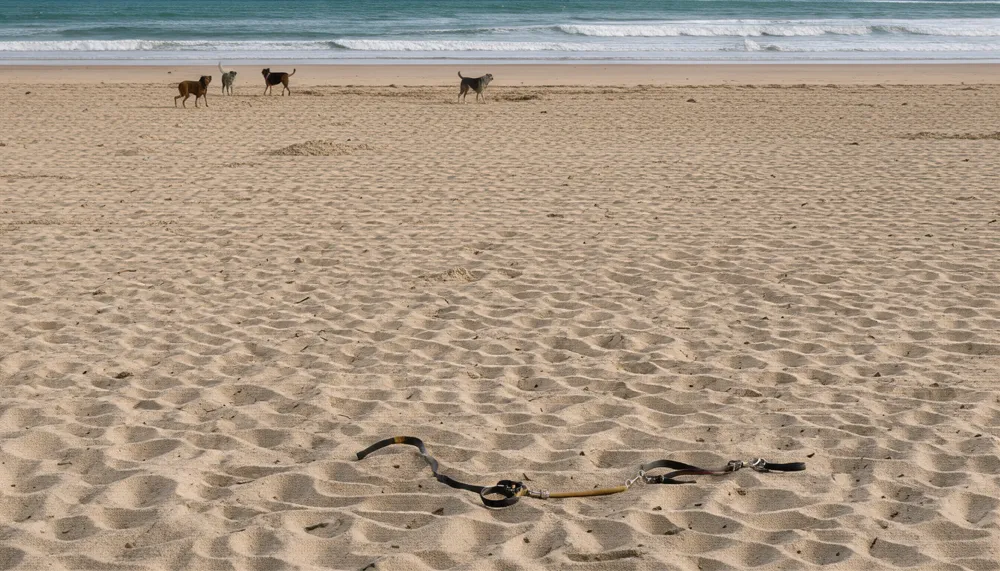
Off-leash beaches offer a unique opportunity for dogs to exercise, socialize, and enjoy the freedom of open space. However, the environment is dynamic and unpredictable. Unlike a fenced park or a controlled daycare, a beach is an open area where dogs of various sizes, breeds, and temperaments interact. For many owners, the primary goal is not just exercise, but finding a compatible playmate for their pet. This requires more than just throwing a ball; it involves observation, assessment, and a clear understanding of canine body language. This guide provides a structured approach to identifying safe playmates, ensuring that beach visits remain positive experiences for both dogs and humans.
Understanding the Beach Environment
Before introducing your dog to others, it is essential to understand the specific dynamics of the beach environment. Beaches are not uniform spaces. They often have distinct zones: the water’s edge, the wet sand, the dry sand, and the dunes or grassy areas further back. Each zone attracts different types of dogs and activities. Some dogs are water lovers who will splash and swim, while others prefer to chase balls on the dry sand. Recognizing these zones helps you predict behavior. For instance, dogs near the water may be more energetic and wet, which can lead to rougher play. Dogs in the dunes might be more focused on scent work or digging. By positioning yourself and your dog in a zone that matches your pet’s energy level and preferences, you increase the likelihood of finding compatible playmates. Always check local signage regarding hours, size restrictions, and specific rules, as these vary significantly by municipality and country.
Assessing Your Own Dog’s Readiness
You cannot control other dogs, but you can control your own. Before seeking playmates, ensure your dog is physically and mentally prepared for off-leash interaction. A dog that is overly reactive, fearful, or poorly socialized may struggle in a free-for-all environment. Basic obedience commands such as "come," "leave it," and "stay" are critical safety tools. If your dog does not reliably respond to recall when distracted by other dogs or birds, it may be safer to use a long line leash initially. Additionally, consider your dog’s health and vaccination status. While laws vary by region, most public off-leash areas require dogs to be up to date on core vaccinations. Be aware of local parasites, such as ticks or fleas, which are common in grassy or sandy areas. A healthy, well-conditioned dog is better equipped to handle the physical demands of beach play and less likely to become irritable due to fatigue or discomfort.
Reading Canine Body Language
The most important skill in finding a safe playmate is the ability to read canine body language. Dogs communicate primarily through posture, movement, and facial expressions. A safe playmate will exhibit "play bows," where the front legs are lowered and the rear end is up, indicating an invitation to play. Loose, wiggly bodies and relaxed faces are positive signs. Conversely, warning signs include stiff posture, raised hackles, hard stares, or a closed mouth. If you see these signs, it is best to intervene early by calling your dog away or creating distance. Pay attention to the rhythm of play. Healthy play is reciprocal, with dogs taking turns chasing and being chased. If one dog is constantly pursuing another who is trying to hide or run away, the play is no longer balanced. Intervening before the situation escalates is key to preventing conflicts. Remember that some breeds have different play styles; herding breeds may nip at heels, while retrievers may be more mouthy. Understanding these breed-specific tendencies helps you interpret behavior accurately.
Initiating Interaction Safely
Once you have identified a potential playmate, the introduction should be handled with care. Avoid letting dogs rush directly at each other head-on, as this can be perceived as confrontational. Instead, encourage a curved approach or a parallel walk. If both dogs are calm and interested, allow them to sniff briefly. Keep your leash loose if you are using one, as a tight leash can transmit tension to your dog. If your dog is off-leash, maintain a position where you can easily intervene. Observe the interaction for the first few minutes. If the dogs seem comfortable, you can step back slightly to give them space. If you notice any tension, such as growling that does not resolve into play, or if one dog is consistently bullying the other, separate them calmly. It is perfectly acceptable to decide that two dogs are not a good match. You can simply call your dog back and move to a different area of the beach. There is no obligation for every dog to be friends.
Managing Group Dynamics and Resources
Beaches often attract groups of dogs, which can create complex social dynamics. In a group setting, the risk of "pile-ons" or resource guarding increases. Resources on a beach include toys, sticks, balls, and even specific spots on the sand. To minimize conflict, avoid bringing high-value toys if your dog is prone to guarding them. If you do bring a toy, be prepared to remove it if it causes tension. When multiple dogs are playing, watch for the formation of cliques or the exclusion of shy dogs. Sometimes, a single dog may become overwhelmed by the energy of the group. If your dog appears anxious or is being chased by multiple dogs, it is wise to remove them from the group and let them play one-on-one or engage in a solo activity. In some countries, local customs dictate how owners interact with each other’s dogs. In some cultures, it is common to ask permission before petting another dog, while in others, dogs are expected to mingle freely. Always respect the owner’s wishes and ask before approaching their dog, especially if it is not clearly playing.
Utilizing Community Resources
Finding a regular, safe playmate can be easier if you leverage community resources. Many local dog owners use online platforms to organize meetups or share information about dog-friendly spots. For example, TodayMap shows such posts on a free live map, allowing you to see where other dog owners are active in your area. This can help you identify times when the beach is less crowded or when specific groups of well-behaved dogs are present. However, use these tools as a guide rather than a guarantee. Always verify the current conditions on the ground. Building relationships with other regular beach-goers can also provide valuable insights. Owners who frequent the same spot often know which dogs are friendly and which ones to avoid. They can offer advice on local hazards, such as strong currents or hidden debris. Engaging with the local dog community helps you stay informed about changes in the environment and fosters a sense of shared responsibility for safety.
Safety Protocols and Emergency Preparedness
Even with careful selection, accidents can happen. Prepare for the unexpected by carrying a basic first-aid kit for dogs, including bandages, antiseptic wipes, and tweezers for removing splinters or thorns. Be aware of the location of the nearest veterinary clinic, especially if the beach is remote. Heatstroke is a significant risk on beaches, particularly in sunny climates. Ensure your dog has access to fresh water and shade. If your dog is playing vigorously, monitor them for signs of overheating, such as excessive panting or lethargy. In the event of a fight, do not reach in with your hands. Use a barrier, such as a jacket or a board, to separate the dogs, or use a loud noise to distract them. After any incident, check your dog for injuries, including bites that may not be immediately visible. Keep a list of emergency contacts, including your veterinarian and a local animal control number, accessible on your phone. Being prepared reduces panic and allows you to act quickly and effectively.
Conclusion
Finding a safe dog playmate at the local off-leash beach is a rewarding process that enhances your pet’s socialization and exercise routine. It requires a proactive approach, combining knowledge of canine behavior with an understanding of the local environment. By assessing your own dog’s readiness, reading body language, and managing interactions carefully, you can create positive experiences for your pet. Remember that safety is a shared responsibility. Respect local customs, communicate with other owners, and always prioritize your dog’s well-being. With patience and observation, you can build a network of compatible playmates and enjoy the unique freedom that off-leash beaches offer. The goal is not just to find any dog to play with, but to find the right dog for your pet’s personality and energy level, ensuring that every visit is safe, fun, and memorable.
 How to Find a Trustworthy Neighbor to Pet-Sit Your Dog or Cat While You Travel
 Finding a Reliable Dog Walking Buddy for Urban Neighborhoods
 How to Arrange a Safe Indoor Cat Playdate with Other Local Cat Owners
 How to Find a Puppy Socialization Group at Your Local Pet Store or Park
 Finding a Tennis Partner for Casual Matches at Public Courts
 Meeting People Before and After Local Theater Performances