
How to Find a Trustworthy Neighbor to Pet-Sit Your Dog or Cat While You Travel
November 21, 2026
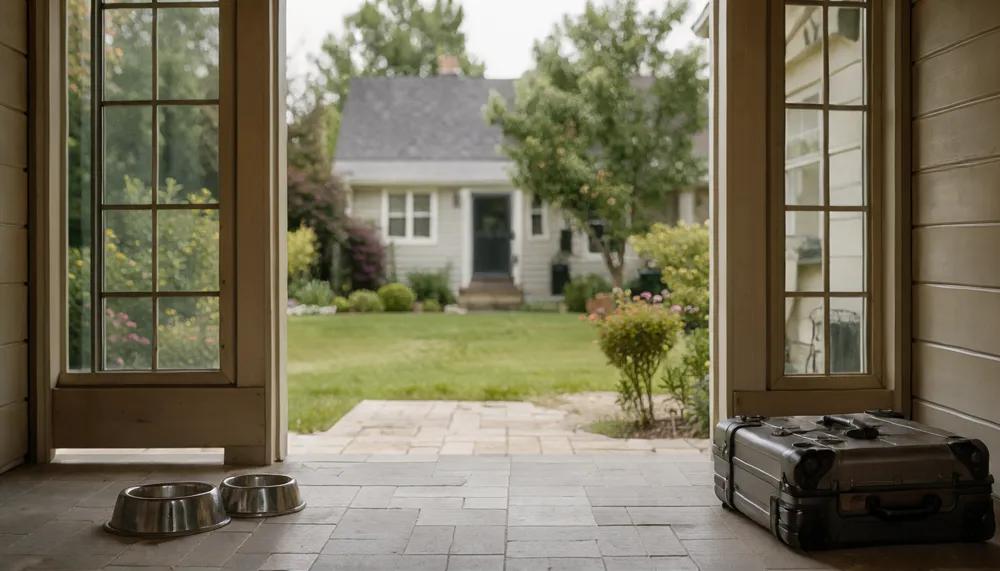
Traveling for work or leisure is exciting, but leaving your pets behind can be a source of significant anxiety. While professional boarding facilities and commercial pet-sitting services are popular options, many pet owners prefer the comfort of having a trusted neighbor care for their dog or cat. This arrangement often reduces stress for the animal, as they remain in their familiar home environment, and it can be more convenient for the owner. However, finding a neighbor who is genuinely reliable, experienced, and compatible with your pet’s specific needs requires a deliberate approach. This guide outlines the steps to identify, vet, and secure a trustworthy local caretaker, ensuring peace of mind for both you and your furry companions.
Start with Your Immediate Community
The most logical place to begin your search is within your own residential area. Neighbors are already nearby, which means they can respond quickly to emergencies and are less likely to be late for scheduled visits. Start by introducing yourself to the people living on your street or in your building if you haven’t already. A simple conversation about your upcoming trip can open the door to potential help. Many people are happy to assist neighbors they know, especially if they are pet lovers themselves.
If you do not have established relationships with your immediate neighbors, consider posting a polite, clear request in your local community group. This could be a physical notice on a community bulletin board or a digital post in a neighborhood app or social media group. Be specific about what you need: the dates of your trip, the type of pet, and the general level of care required. When posting online, keep personal details minimal until you have established initial contact. If you use a platform like TodayMap to view local community posts, you may find that neighbors frequently share offers for pet sitting or ask for help with their own pets, creating a natural marketplace for local trust.
Assess Experience and Compatibility
Once you have a few potential candidates, the next step is to determine if they are a good fit for your specific pet. A neighbor who loves dogs may not be the best choice for a shy, independent cat, and vice versa. Ask about their experience with your type of animal. Have they cared for a senior dog with mobility issues? Do they understand the litter box habits of a multi-cat household? Experience is valuable, but so is temperament. You want someone who is calm, patient, and observant.
It is also important to discuss their living situation and schedule. If you are looking for a neighbor to drop in twice a day, ensure their work hours and family commitments allow for consistent timing. If you need overnight stays, ask if they have other pets or children who might interact with yours. Compatibility is not just about the neighbor liking animals; it is about whether their lifestyle and household dynamics align with your pet’s needs. A high-energy dog may need a neighbor who enjoys long walks, while a nervous cat may need a quiet, predictable routine.
Conduct a Thorough Vetting Process
Trust is the cornerstone of this arrangement, but it should not be blind. Treat the selection process with the same seriousness you would when hiring a professional service. Meet with your potential sitters in person before making a decision. This allows you to gauge their personality and see how they interact with your pet. Bring your dog or cat to the meeting if possible, or invite the neighbor into your home to observe how they handle the animal. Watch for signs of genuine affection and respect for the pet’s boundaries.
Ask for references from other neighbors or friends they have pet-sat for in the past. A quick phone call or text to these references can provide insight into the sitter’s reliability, punctuality, and communication style. Additionally, verify that they are comfortable with any specific medical needs your pet may have. If your dog requires medication or your cat has dietary restrictions, ensure the neighbor is willing and able to manage these tasks. It is also wise to discuss emergency protocols. Ask what they would do if the pet became ill or injured. A trustworthy neighbor will have a plan in place, including knowing the location of the nearest emergency veterinary clinic.
Arrange a Trial Run Before You Leave
Never leave your pet with a new sitter for the first time while you are away on a long trip. A trial run is essential to test the dynamic between the neighbor and your pet. Schedule a short visit, perhaps for a few hours or an overnight stay, while you are still at home or nearby. This allows you to observe how the neighbor interacts with your pet and how the pet responds to them. You can also use this time to walk them through your home’s layout, showing them where food, leashes, litter boxes, and medications are stored.
During the trial, pay attention to how the neighbor follows instructions. Do they ask clarifying questions? Do they seem attentive to your pet’s behavior? After the trial, check in with your pet’s behavior. Is the animal relaxed and happy, or anxious and withdrawn? If the pet seems stressed, it may be worth trying another candidate. This step protects both you and the neighbor from a potentially difficult situation while you are away. It also builds confidence for both parties, ensuring that everyone knows what to expect when the real trip begins.
Establish Clear Communication and Expectations
Clear communication prevents misunderstandings and ensures your pet receives consistent care. Before you leave, create a detailed care sheet. This document should include feeding schedules, portion sizes, favorite treats, and any quirks your pet has. For dogs, include walking routes, leash preferences, and training commands. For cats, note litter box cleaning frequency, preferred sleeping spots, and any hiding places they might use. Provide this information in writing, either on paper or digitally, so the neighbor can refer to it easily.
Discuss how you want to stay in touch during your trip. Some owners prefer daily updates with photos, while others are comfortable with less frequent check-ins. Agree on a method of communication that works for both parties, such as text messages, email, or a shared photo album. Be realistic about your own availability; if you are traveling in a different time zone or have limited internet access, let your neighbor know when they can expect responses. Also, clarify how you will handle emergencies. Provide contact information for a local backup person, such as a friend or family member, who can step in if the neighbor becomes unavailable.
Respect Boundaries and Show Appreciation
Even though you are neighbors, this is a service being provided by someone who is doing you a favor. Respect their time and boundaries. If you are asking for overnight stays, ensure the neighbor is comfortable with you having access to your home while they are there. Discuss privacy expectations clearly. If they are staying in your home, ask if they need any specific amenities or if there are areas of the house they should avoid.
Show your appreciation through appropriate gestures. This does not necessarily mean a large monetary payment, though compensation is common and fair. Depending on local customs and the extent of the work, you might offer a gift basket, a homemade meal, or a reciprocal favor in the future. In some countries, informal neighborly help is the norm and payment might be seen as awkward, while in others, a modest fee is expected. Gauge the situation based on your relationship and local norms. The key is to ensure the neighbor feels valued and respected, which strengthens the trust and makes it more likely they will help you again in the future.
Conclusion
Finding a trustworthy neighbor to pet-sit your dog or cat is a process that combines community engagement, careful vetting, and clear communication. By starting locally, assessing compatibility, conducting trials, and setting clear expectations, you can build a reliable support system that keeps your pets safe and happy while you travel. Remember that trust is built over time, so start building relationships with your neighbors before you need them. With the right preparation, you can enjoy your trip knowing that your beloved companions are in capable and caring hands.
 Finding a Reliable Dog Walking Buddy for Urban Neighborhoods
 How to Arrange a Safe Indoor Cat Playdate with Other Local Cat Owners
 How to Find a Puppy Socialization Group at Your Local Pet Store or Park
 Finding a Safe Dog Playmate for Your Pet at the Local Off-Leash Beach
 Finding a Tennis Partner for Casual Matches at Public Courts
 Meeting People Before and After Local Theater Performances