
How to Arrange a Safe Indoor Cat Playdate with Other Local Cat Owners
November 20, 2026
Introduction
While cats are often portrayed as solitary creatures, many indoor cats benefit from social interaction, mental stimulation, and physical exercise. Arranging a playdate with another local cat owner can provide these benefits, but it requires careful planning to ensure safety and comfort for both animals. Unlike dog playdates, which are often held in open parks, cat playdates are typically conducted indoors to minimize stress and escape risks. This guide outlines the essential steps to organize a successful and safe meeting, focusing on health protocols, environmental preparation, and gradual introductions. Keep in mind that customs and regulations regarding pet ownership and social gatherings can differ by country, so always check local guidelines and community norms before proceeding.
Verify Health and Vaccination Status
Before inviting another cat into your home or visiting theirs, the most critical step is verifying the health status of both animals. Cats can carry various contagious diseases, some of which may not show immediate symptoms. A responsible playdate begins with a mutual exchange of health information.
- Vaccination Records: Request proof of current vaccinations, particularly for core vaccines such as Feline Panleukopenia, Feline Herpesvirus, and Feline Calicivirus. Depending on your region, Rabies vaccination may also be mandatory or highly recommended.
- Parasite Control: Ensure both cats are up to date on flea, tick, and internal worm treatments. External parasites can easily transfer between animals in close proximity.
- Recent Vet Check-ups: Ideally, both cats should have had a veterinary examination within the last six to twelve months. This helps rule out underlying conditions like ringworm, upper respiratory infections, or dental issues that could flare up under stress.
- Spay/Neuter Status: Confirm that both cats are spayed or neutered. Intact cats are more likely to exhibit territorial aggression, spraying, or mating behaviors that can disrupt a playdate.
If either cat has a chronic health condition, such as diabetes or kidney disease, discuss how this might affect their energy levels and stress tolerance during the visit.
Assess Temperament and Compatibility
Not all cats are suited for playdates. A shy or fearful cat may become overwhelmed by the presence of another animal, leading to long-term anxiety. Conversely, a highly aggressive cat may pose a risk to a more timid visitor. The goal is to match cats with compatible temperaments.
- Social History: Ask the other owner about their cat’s history with other animals. Has the cat lived with other pets? How did those interactions go? A cat that has successfully cohabited with another cat in the past is generally a better candidate for a playdate than one that has never socialized.
- Energy Levels: Try to match cats with similar activity levels. A high-energy kitten may annoy an older, sedentary cat, while a laid-back adult may not engage with a playful juvenile.
- Personality Traits: Discuss whether the cats are dominant, submissive, or independent. Two dominant cats may clash over resources, while two independent cats might simply ignore each other, which is a safe but less engaging outcome.
- Trial Period: If possible, start with a very short visit, such as 15 to 20 minutes, to gauge initial reactions. If both cats seem relaxed, you can gradually increase the duration of future visits.
Prepare a Safe and Neutral Environment
The location of the playdate significantly impacts its success. While visiting the other owner’s home is an option, hosting at your own home allows you to control the environment. However, introducing a strange cat into a resident cat’s territory can be stressful. To mitigate this, prepare a neutral or semi-neutral space.
- Choose the Right Room: Select a room that neither cat uses as their primary sanctuary. Avoid the resident cat’s bedroom or feeding area. A living room or spare room with easy-to-clean floors is ideal.
- Remove Hazards: Secure windows and doors to prevent escapes. Remove toxic plants, small objects that could be swallowed, and electrical cords that might be chewed. Ensure there are no gaps where a frightened cat could get stuck.
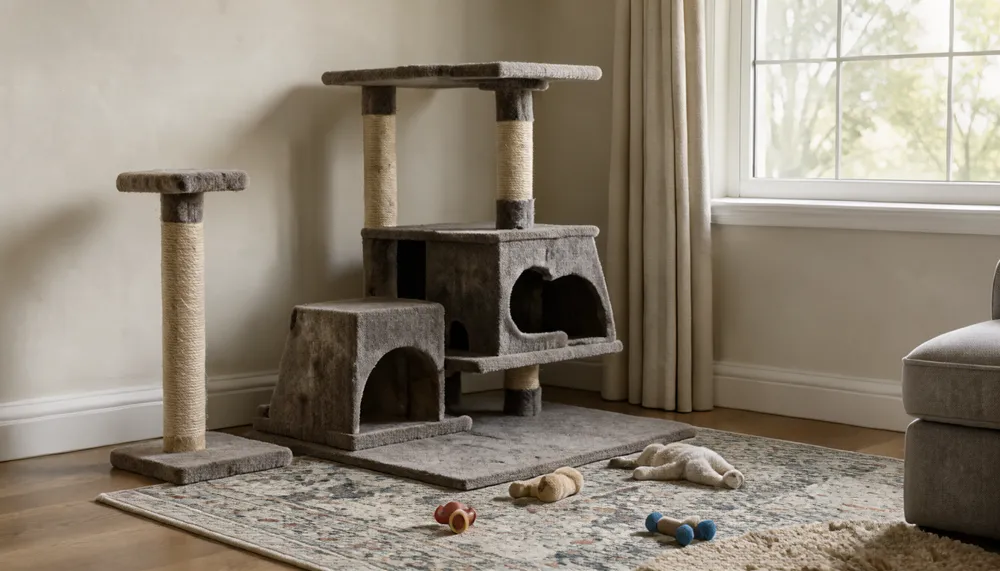
- Provide Vertical Space: Cats feel safer when they can climb. Install cat shelves, provide a sturdy cat tree, or clear off a high shelf. This allows cats to observe each other from a distance and retreat if needed.
- Multiple Resources: To prevent resource guarding, provide multiple water bowls, litter boxes, and resting spots. A general rule is one litter box per cat plus one extra, though for a short playdate, ensuring at least two accessible litter boxes is a good minimum.
- Scent Swapping: Before the actual meeting, exchange bedding or toys between the two homes for a few days. This allows the cats to become familiar with each other’s scent without the pressure of a face-to-face encounter.
Plan the Introduction Process
The first meeting should be structured to minimize stress. Do not simply place the two cats in the same room and hope for the best. A gradual introduction increases the likelihood of a positive interaction.
- Initial Separation: When the visiting cat arrives, keep them in a carrier or a separate room for the first 15 to 30 minutes. Allow the resident cat to sniff under the door or around the carrier. This gives both cats time to adjust to the new presence.
- Visual Introduction: After the initial separation, allow the cats to see each other through a baby gate or a cracked door. Watch their body language closely. Ears forward and relaxed tails are good signs. Hissing, growling, or puffed-up fur indicates stress.
- Supervised Face-to-Face Meeting: If the visual introduction goes well, allow them into the same room under close supervision. Keep the session short, ideally 10 to 15 minutes for the first time. Have treats ready to reward calm behavior.
- Intervention Plan: Be prepared to separate the cats if tension rises. Use a large towel or a piece of cardboard to gently block their line of sight if they start to stare down each other. Never reach between two fighting cats with your bare hands; use a barrier instead.
- End on a Positive Note: Always end the playdate before the cats become overly tired or irritable. A short, positive interaction is better than a long, stressful one.
Manage the Playdate Session
During the playdate, your role is to facilitate positive interactions and monitor for signs of stress. Provide enrichment items that encourage parallel play rather than direct competition.
- Interactive Toys: Use wand toys to engage both cats individually. This allows them to burn energy without competing for the same object. Rotate toys so each cat gets attention.
- Treats and Rewards: Offer high-value treats when the cats are in the same room but not interacting negatively. This creates a positive association with the other cat’s presence.
- Monitor Body Language: Learn to read cat body language. A slow blink is a sign of trust. A twitching tail tip may indicate irritation. Flattened ears and dilated pupils suggest fear or aggression. If you see signs of stress, give the cats a break.
- Respect Boundaries: If one cat wants to leave the room, let them. Forcing interaction can lead to negative associations. Allow the cats to set the pace of the interaction.
- Clean Up: After the playdate, clean the room thoroughly. Wash any shared toys and litter boxes with unscented soap. This removes scent markers that might trigger territorial behavior in future visits.
Follow-Up and Long-Term Considerations
A single playdate is rarely enough to establish a lasting friendship. If the first meeting goes well, consider scheduling regular, short visits. Consistency helps cats become more comfortable with each other.
- Gradual Increase in Duration: Slowly increase the length of the playdates as the cats become more relaxed in each other’s presence.
- Observe Long-Term Effects: Watch for changes in behavior at home. If your cat becomes more anxious, stops eating, or starts hiding after playdates, it may be a sign that the interaction is too stressful. In such cases, it may be best to discontinue the playdates.
- Community Resources: If you are looking for more local cat owners to connect with, platforms like TodayMap show such posts on a free live map, helping you find nearby participants. Always vet potential partners carefully and prioritize safety and health checks.
- Veterinary Consultation: If you are unsure about your cat’s suitability for playdates, consult your veterinarian. They can provide personalized advice based on your cat’s medical history and behavior.
Conclusion
Arranging a safe indoor cat playdate requires preparation, patience, and a focus on the well-being of both animals. By verifying health status, assessing temperament, preparing a safe environment, and managing introductions carefully, you can create a positive experience for your cat and their new friend. Remember that every cat is unique, and what works for one pair may not work for another. Always prioritize your cat’s comfort and stress levels over the desire for socialization. With careful planning and realistic expectations, playdates can be a rewarding way to enrich your indoor cat’s life while building a supportive community of local cat owners.
 How to Find a Trustworthy Neighbor to Pet-Sit Your Dog or Cat While You Travel
 Finding a Reliable Dog Walking Buddy for Urban Neighborhoods
 How to Find a Puppy Socialization Group at Your Local Pet Store or Park
 Finding a Safe Dog Playmate for Your Pet at the Local Off-Leash Beach
 Finding a Tennis Partner for Casual Matches at Public Courts
 Meeting People Before and After Local Theater Performances