
How to Find a Puppy Socialization Group at Your Local Pet Store or Park
November 20, 2026
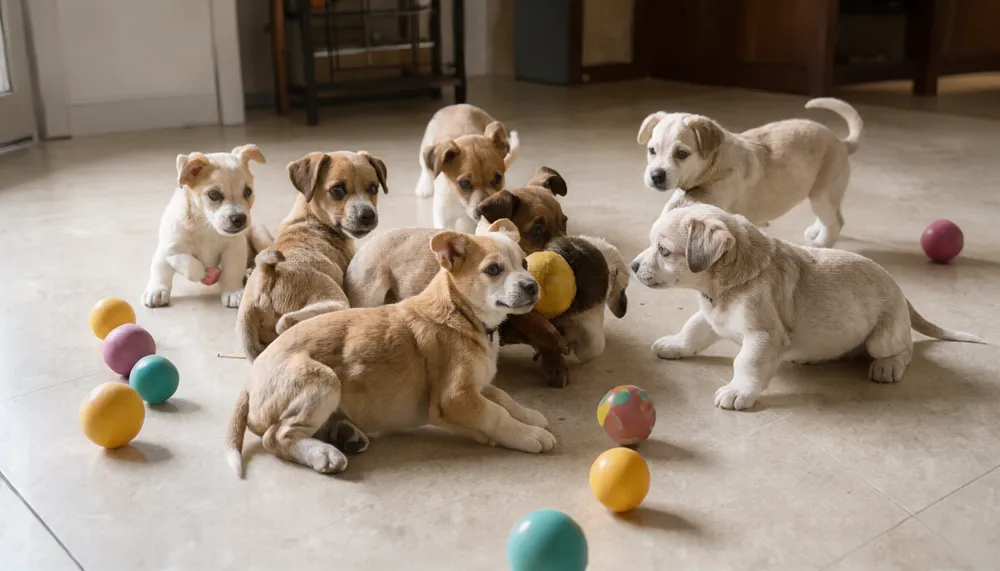
Bringing a new puppy home is an exciting milestone, but it also brings the responsibility of ensuring your dog grows up confident and well-adjusted. While many owners focus on basic obedience commands, early socialization is arguably the most critical component of a puppy’s development. This process involves exposing your young dog to various people, animals, environments, and sounds in a positive and controlled manner. Finding the right environment for this learning can be challenging, as not all local resources are created equal. This guide will help you navigate the landscape of local pet stores and public parks to find high-quality puppy socialization groups, ensuring your companion gets the best start in life.
Understanding the Value of Structured Socialization
Before you begin your search, it is helpful to understand what a good socialization group actually offers. It is not merely a place for puppies to play together unsupervised. A well-run group provides a controlled environment where interactions are monitored by knowledgeable handlers or trainers. The goal is to prevent fear periods from becoming permanent behavioral issues and to teach puppies appropriate play etiquette, such as bite inhibition and reading body language.
In many countries, the concept of "puppy classes" is deeply integrated into veterinary care or professional dog training industries. In others, informal gatherings at parks are more common. Regardless of where you live, the core objective remains the same: positive exposure. You are looking for a setting where the emphasis is on safety and positive reinforcement rather than just letting dogs run wild. This distinction is vital because poorly managed play can lead to negative associations, which are difficult to undo later in life.
Starting Your Search at Local Pet Stores
Independent pet stores and large chain retailers often serve as community hubs for dog owners. Many of these businesses host weekly or monthly puppy socialization events. These are typically held in the store’s parking lot or a designated indoor area. To find these groups, start by visiting stores in your neighborhood and asking staff directly. They often have bulletin boards or digital calendars listing upcoming events.
When evaluating a store-hosted group, observe the setup. Are the puppies separated by size or age? Is there a staff member or trainer present who actively intervenes when play becomes too rough? A good store-hosted event will have clear rules regarding vaccination status and behavior. If the store seems indifferent to whether your puppy is up to date on shots, proceed with caution. In some regions, regulations regarding animal gatherings in retail spaces are stricter than in others, so always check local health guidelines before attending.
Leveraging Public Parks and Community Spaces
Public parks are another common venue for informal puppy meetups. However, finding a structured group here requires more detective work than at a pet store. Many parks have designated "dog runs" or off-leash areas where owners gather at specific times. You can often find these groups by visiting the park during peak dog-walking hours and observing the regulars. Look for owners who seem to know each other and who are actively managing their dogs’ interactions.
In many countries, local councils or municipal authorities organize free or low-cost dog events in public spaces. Check your city’s official website or community bulletin boards for announcements about "puppy playdates" or "dog socialization mornings." These events are often led by volunteer trainers or experienced dog owners. If you live in an area with strict leash laws, ensure that the group you join respects these regulations. Some parks have specific zones where off-leash play is permitted, while others require leashes at all times except in designated areas. Always verify the park’s specific rules to avoid fines or conflicts with other users.
Using Digital Tools to Locate Groups
In the digital age, you do not have to rely solely on word-of-mouth or physical visits to find socialization groups. Social media platforms and community forums are excellent resources for locating local events. Search for groups in your area using keywords like "puppy socialization," "dog playgroup," or "puppy training" combined with your city or neighborhood name. Facebook groups, Nextdoor, and local Reddit communities often have active discussions about where owners are meeting with their young dogs.
For a more visual approach, you can use mapping tools to identify popular dog-friendly spots. TodayMap shows such posts on a free live map, allowing you to see where other owners are gathering and what types of events are happening nearby. This can be particularly useful if you are new to an area and do not yet know the local dog community. When using these digital tools, pay attention to the recency of the posts. A group that was active six months ago may no longer be meeting. Look for recent activity and engagement from local members to ensure the group is still viable.
Vetting the Quality of the Group
Once you have identified a potential group, whether at a store or a park, you must vet it before bringing your puppy. The quality of socialization can vary significantly from one group to another. A poorly managed group can do more harm than good, so it is essential to ask questions and observe the dynamics.
Key questions to ask include: * Who is leading the group? Is there a certified trainer or experienced handler present? * What are the rules for entry? Are vaccinations required, and is there a health screening process? * How are conflicts handled? Is there a plan for removing overly aggressive or fearful dogs? * What is the ratio of humans to dogs? A high number of attentive owners is a good sign.
If you are attending a park meetup, observe how the owners interact with their dogs. Are they using positive reinforcement techniques, or are they shouting commands? Are they allowing their dogs to bully smaller or shyer puppies? A good group will have a culture of mutual respect and safety. If you notice that the group seems chaotic or that owners are on their phones while their dogs play unsupervised, it may be wise to look for a better option.
Navigating Regional Differences and Customs
It is important to remember that customs regarding dog ownership and socialization differ by country. In some European countries, for example, it is common for puppies to attend structured classes at veterinary clinics or specialized dog schools rather than at pet stores. In other regions, informal park meetups are the norm. Understanding these local nuances can help you find the right fit for your lifestyle and your puppy’s needs.
In countries with strict quarantine laws or specific vaccination requirements, you may need to provide proof of health before joining any group. Always check with your veterinarian about the recommended vaccination schedule for your area before exposing your puppy to other dogs. In some places, rabies vaccination is mandatory and must be up to date for any public gathering. In others, the focus may be more on distemper and parvovirus protection. Being aware of these local health standards will make you a more welcome participant in any socialization group.
Additionally, cultural attitudes toward dogs vary. In some communities, dogs are welcome in many public spaces, including cafes and shops, which can facilitate more frequent socialization opportunities. In others, dogs may be restricted to specific areas. Adjust your expectations and search strategy accordingly. If you live in a city with limited dog-friendly spaces, you may need to travel slightly further to find a well-organized group, or you may need to create your own small meetup with neighbors who have puppies of similar age.
Preparing Your Puppy for the Experience
Before you head out to your first socialization event, ensure your puppy is prepared. This means having the right gear and a positive mindset. Bring a well-fitting harness or collar, a sturdy leash, and plenty of high-value treats. Treats are essential for rewarding calm behavior and good interactions. You should also bring water and a portable bowl, as puppies can dehydrate quickly during play.
Keep your expectations realistic. Your puppy may be shy, overwhelmed, or overly excited. This is normal. The goal is not for your puppy to play with every other dog but to have a positive experience. If your puppy seems stressed, give them a break. Step away from the group, let them sniff around quietly, and offer comfort. Never force a shy puppy to interact. Let them observe from a distance and approach when they are ready. This respect for their boundaries will build trust and confidence.
Also, be mindful of your own behavior. Your puppy takes cues from you. If you are anxious or tense, your puppy may pick up on that. Stay calm, use a cheerful voice, and be ready to intervene gently if play becomes too intense. By being an attentive and proactive owner, you contribute to the safety and enjoyment of the entire group.
Conclusion
Finding a good puppy socialization group at your local pet store or park requires a bit of research and observation, but the effort is well worth it. By starting with local retailers, exploring public spaces, using digital tools to locate events, and carefully vetting the quality of the group, you can ensure your puppy has safe and positive early experiences. Remember to consider regional customs and health requirements, and always prioritize your puppy’s comfort and confidence. With the right group and a prepared owner, your puppy will develop the social skills necessary to become a well-adjusted, happy adult dog. Start your search today, and enjoy the journey of watching your companion grow and thrive in a supportive community.
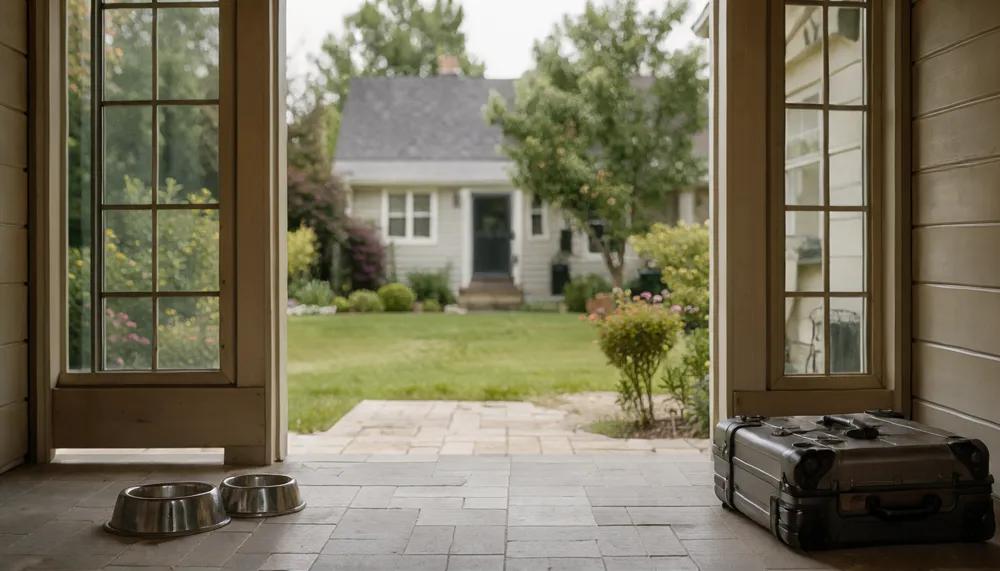 How to Find a Trustworthy Neighbor to Pet-Sit Your Dog or Cat While You Travel
 Finding a Reliable Dog Walking Buddy for Urban Neighborhoods
 How to Arrange a Safe Indoor Cat Playdate with Other Local Cat Owners
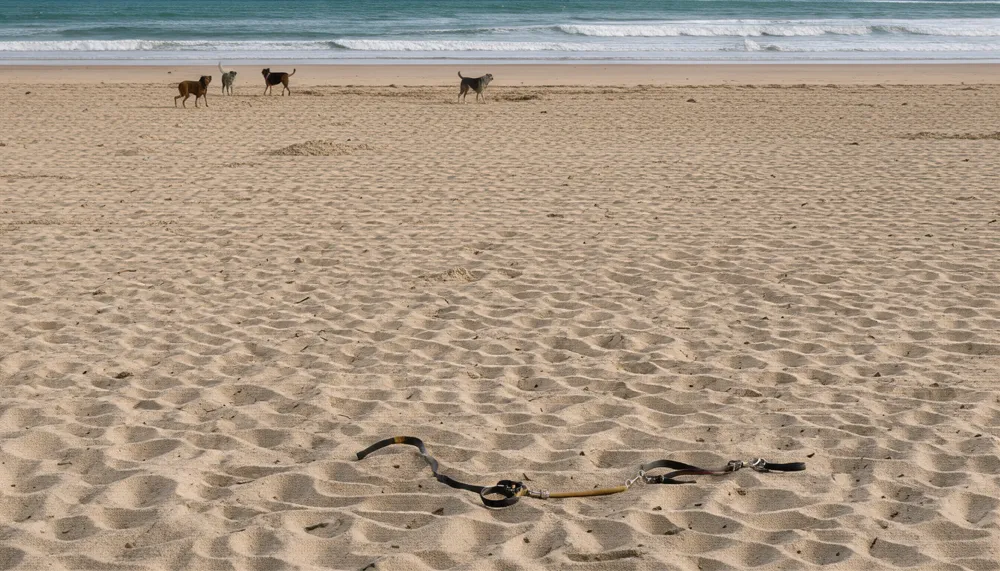 Finding a Safe Dog Playmate for Your Pet at the Local Off-Leash Beach
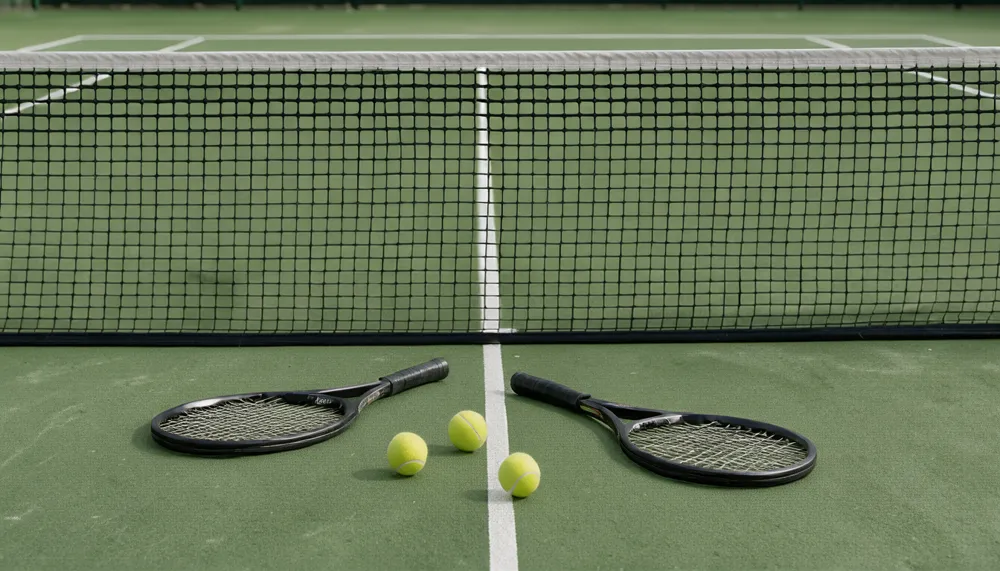 Finding a Tennis Partner for Casual Matches at Public Courts
 Meeting People Before and After Local Theater Performances