
What to Do When You Find a Lost Pet Bird in Your Area
November 18, 2026
Introduction
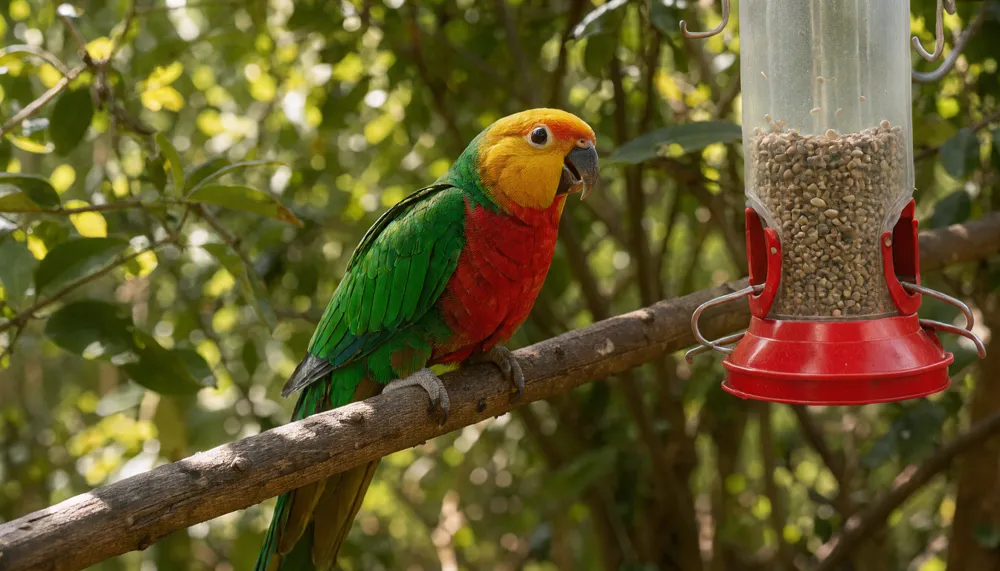
Finding a lost pet bird can be a heartwarming yet stressful experience. Unlike dogs or cats, birds are often fragile, easily stressed, and capable of flying away at the slightest provocation. If you have spotted a bird that appears to be a pet—perhaps it is not afraid of humans, has unusual coloring, or is wearing a leg band—you have a unique opportunity to reunite it with its worried owner. However, the process requires patience, caution, and a methodical approach. This guide outlines the essential steps to take when you find a lost pet bird, ensuring the safety of the animal and maximizing the chances of a successful reunion. While the core principles of animal welfare are universal, remember that local regulations and community resources vary by country, so always check local guidelines where relevant.
Assess the Situation and Ensure Safety
Before attempting to capture the bird, take a moment to assess the environment and the bird’s condition. A lost pet bird is likely disoriented, hungry, and frightened. Your first priority is to ensure that both you and the bird remain safe. If the bird is on the ground, it may be injured or exhausted. If it is perched high in a tree, it may be waiting for its owner to return.
Observe the bird from a distance. Does it have a leg band? Is it wearing a harness? Does it respond to human voices? These are strong indicators that it is a pet rather than a wild species. If the bird is in a dangerous location, such as near a busy road or in the path of predators, you may need to intervene more quickly. However, if the bird is safe and perched, it is often best to leave it in place while you gather supplies and notify neighbors. Sudden movements or loud noises can cause the bird to fly away, potentially making it harder to find later.
Approach and Capture with Care
If you decide to capture the bird, do so gently and calmly. Birds have delicate bones and can easily injure themselves if they panic. The goal is to secure the bird without causing it stress or harm.
- Use a towel or light blanket: Gently drape a towel over the bird to calm it and prevent it from flapping its wings. This also protects your hands from beak bites and scratches.
- Secure the wings: Once the bird is covered, gently hold its body with one hand, ensuring the wings are folded against its body. Avoid squeezing too hard, as this can restrict breathing.
- Support the feet: If possible, support the bird’s feet with your fingers to prevent it from kicking or scratching.
- Place in a carrier: Transfer the bird into a secure, ventilated container. A cardboard box with air holes is a good temporary solution, but a pet carrier is preferable if available. Ensure the container is dark and quiet, as this helps reduce stress.
If the bird is too high to reach safely, do not attempt to climb if you are not experienced. Instead, try to lure it down with food or water, or contact local animal control or a wildlife rescue organization for assistance.
Provide Immediate Care
Once the bird is secured, provide basic care to keep it stable while you search for its owner. A lost bird may be dehydrated or malnourished, but be cautious about what you offer.
- Water: Provide fresh water in a shallow dish. Ensure the bird can drink without drowning, especially if it is a small species.
- Food: Offer familiar foods if possible. Most pet birds eat seeds, pellets, or fruits. Avoid offering avocado, chocolate, or caffeine, as these are toxic to birds. If you are unsure, plain seeds or millet are generally safe options.
- Warmth: Keep the bird in a warm, draft-free area. Birds can lose body heat quickly, especially if they are wet or exhausted.
- Quiet environment: Keep the bird away from loud noises, other pets, and direct sunlight. A quiet room is ideal for reducing stress.
Do not attempt to bathe the bird or handle it excessively. The less interaction, the better, until you can identify the owner.
Check for Identification and Local Resources
The next step is to determine if the bird has any form of identification. Many pet birds have leg bands with unique numbers that can be traced back to breeders or owners. If you see a band, note the numbers and any letters. You can search online databases for bird banding records, though availability varies by country.
In addition to checking for bands, contact local resources. In many countries, animal control or municipal animal services handle lost pets. However, because birds are often considered exotic pets, general animal control may not be equipped to care for them. Consider contacting:
- Local veterinarians: Call nearby vet clinics, especially those that specialize in avian care. They may have seen the bird or know of owners looking for it.
- Pet shops: Local pet stores often know the regular customers and may recognize the bird.
- Bird societies or clubs: Many cities have avian societies or bird-watching clubs that can spread the word among enthusiasts.
If you are in a country with a centralized pet registration system, check if the bird is microchipped. A vet can scan for a microchip, which may contain owner contact information.
Spread the Word in Your Community
Reuniting a lost pet bird relies heavily on community awareness. The sooner you spread the word, the higher the chance of finding the owner. Use both digital and physical methods to reach as many people as possible.
- Online platforms: Post clear photos of the bird on local community groups, social media pages, and lost-and-found pet websites. Include details such as the location where the bird was found, its appearance, and any distinctive features. Be cautious about sharing too much personal information; use a dedicated email or phone number if possible.
- Physical flyers: Create simple flyers with a large photo of the bird and your contact information. Post them in the immediate area where the bird was found, as well as in local pet shops, vet clinics, and community centers.
- Neighborhood outreach: Knock on doors in the vicinity. Owners often search their immediate neighborhood first, so a personal touch can be very effective.
If you are using a platform like TodayMap, you can post the found bird there to show such posts on a free live map, helping neighbors nearby see that a bird has been found in their area. This visual approach can be particularly effective in dense urban areas where owners may be searching locally.
Verify the Owner Before Releasing
Once someone claims to be the owner, do not hand over the bird immediately. Scammers sometimes try to claim found pets, so it is important to verify their identity. Ask the claimant to provide proof of ownership. This could include:
- Photos of the bird: Ask for photos taken before the bird was lost.
- Veterinary records: Request copies of vet visits or vaccination records.
- Specific details: Ask about the bird’s personality, favorite foods, or unique markings that are not visible in the photos you posted.
- Leg band numbers: If the bird has a band, ask the claimant to provide the number.
If the claimant cannot provide convincing evidence, consider holding the bird for a few more days while you continue to search for the true owner. If you are unsure, you can involve a local vet or animal shelter to help verify the claim.
What to Do If the Owner Cannot Be Found
If you have exhausted all avenues and the owner has not been found after a reasonable period, you may need to consider long-term options. In some countries, there are legal requirements for holding found animals before you can adopt them or transfer them to a rescue. Check local laws to ensure you are compliant.
- Contact a bird rescue: If you cannot keep the bird, contact a local bird rescue organization. They are often better equipped to care for the bird and find it a suitable permanent home.
- Adopt the bird: If you have the space and resources, you may choose to adopt the bird yourself. Ensure you have the proper cage, diet, and veterinary care available.
- Keep records: Maintain a record of your efforts to find the owner, including dates of posts, calls, and any interactions with potential claimants. This documentation can be useful if questions arise later.
Conclusion
Finding a lost pet bird is a responsibility that requires patience, care, and community engagement. By assessing the situation safely, capturing the bird gently, providing immediate care, and actively searching for the owner, you can make a significant difference in the bird’s life. Remember to check for identification, utilize local resources, and spread the word through both digital and physical channels. Always verify the owner before releasing the bird to ensure it returns to the right home. If the owner cannot be found, consider long-term options such as adoption or transfer to a rescue. With your efforts, you can help a lost bird find its way back to safety and love.
 Finding a Reliable Dog Walking Buddy for Urban Neighborhoods
 How to Arrange a Safe Indoor Cat Playdate with Other Local Cat Owners
 How to Find a Puppy Socialization Group at Your Local Pet Store or Park
 Finding a Safe Dog Playmate for Your Pet at the Local Off-Leash Beach
 Finding a Tennis Partner for Casual Matches at Public Courts
 Meeting People Before and After Local Theater Performances