
Meeting People Before and After Local Theater Performances
November 18, 2026
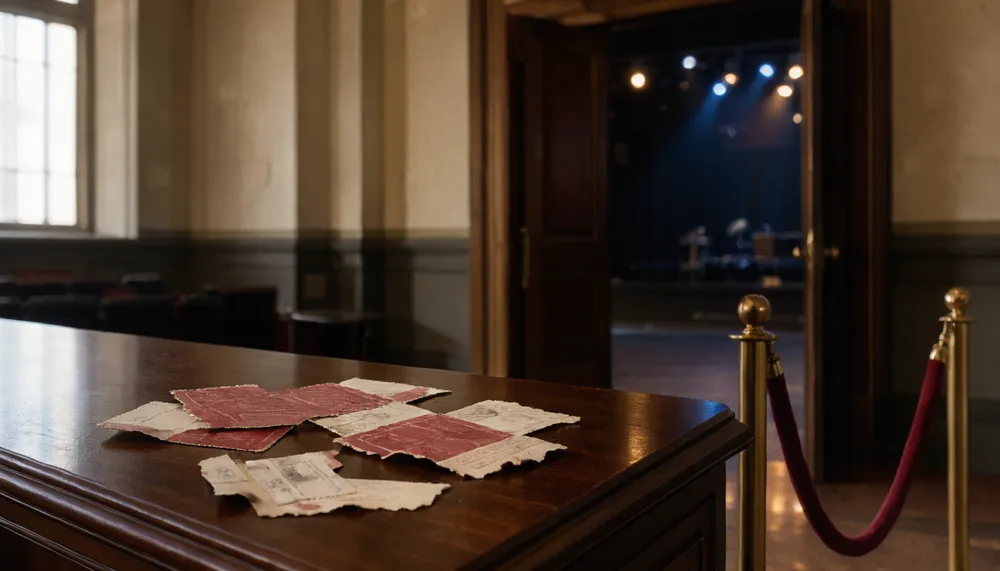
Attending a local theater performance is often a solitary or small-group activity, but it can easily become a social experience if you know how to navigate the spaces surrounding the show. Whether you are a newcomer to the city or a seasoned playgoer looking to expand your circle, the moments before the curtain rises and after it falls offer unique opportunities to meet like-minded individuals. However, theater culture is distinct from other entertainment venues. It relies heavily on shared appreciation for the arts, specific etiquette, and an understanding of personal boundaries. This guide explores how to approach these interactions naturally and respectfully, keeping in mind that customs vary significantly from country to country.
Understanding the Theater Ecosystem
Before attempting to strike up conversations, it is helpful to understand the rhythm of a theater night. Unlike a concert or a sports game, where the crowd energy is loud and continuous, theater is defined by periods of intense silence and focused attention. The lobby, the bar, and the seating area each serve different social functions. The lobby is typically a transitional space where people arrive, pick up tickets, and wait. The bar is the primary social hub, but it is often crowded and noisy. The seating area is strictly for quiet observation until the performance begins.
Recognizing these zones helps you choose the right moment to engage. Approaching someone in the lobby while they are checking their phone or rushing to the restroom is rarely successful. Instead, look for open body language and idle moments. In many cultures, the pre-show period is a time for quiet anticipation, while the post-show period is when the social energy shifts from internal reflection to external discussion. Understanding this flow prevents you from interrupting someone’s mental preparation for the show or their immediate need to decompress afterward.
The Pre-Show Window: Low-Pressure Interactions
The time leading up to the performance is generally the safest and most natural time to initiate light conversation. People are usually relaxed, waiting for doors to open, and often looking for something to do with their time. A simple, context-based comment is the best icebreaker. You might comment on the program notes, the architecture of the building, or the specific production you are both attending. For example, asking if someone has seen the director’s previous work or if they are familiar with the playwright can open a door without being intrusive.
It is crucial to read the room during this phase. If you are in a country where personal space is valued highly, such as in parts of Northern Europe or Japan, keep a respectful distance and keep interactions brief. In contrast, in many Mediterranean or Latin American countries, lingering in the lobby and engaging in longer chats with strangers is more common and socially accepted. Always observe the behavior of locals around you. If people are standing in tight clusters chatting loudly, it is likely a safe environment to join in. If they are standing apart, looking at their phones, or reading their programs, respect that boundary and perhaps wait for a more social setting.
Navigating the Intermission: The Social Peak
Intermission is often the most socially active part of the evening. The lights come up, the tension of the first act breaks, and people move to the bars or restrooms. This is the ideal time to deepen a conversation started earlier or to meet new people. However, this period is also busy. People are often rushing to the restroom, buying drinks, or catching up with friends they arrived with. Therefore, your approach should be low-commitment. A quick chat while waiting in line for a drink is natural and expected.
When engaging during intermission, focus on shared experiences rather than personal details. Discussing the plot twists, the acting choices, or the set design is safe and engaging. It allows you to gauge whether the other person is interested in continuing the conversation. If they respond with enthusiasm and ask you questions in return, you have established a mutual interest. If they give short answers or turn back to their friends, politely excuse yourself. Remember that intermission is short. Do not monopolize someone’s time if they need to return to their seat promptly. Being mindful of the clock shows respect for their experience and leaves a positive impression.
The Post-Show Debrief: Building Deeper Connections
After the final curtain call, the atmosphere changes again. The audience is often energized by the performance and eager to discuss it. This is the prime time for more substantive conversations. Many theaters have a designated bar or lounge area where patrons gather after the show. If the venue has such a space, it is the most appropriate place to linger and talk. If not, the sidewalk outside the theater or nearby cafes often become informal gathering spots.
In this phase, you can be slightly more direct in your social intent. If you had a good conversation during intermission, you might suggest grabbing a coffee or a drink nearby. However, always offer an easy exit. Phrases like "If you have time" or "No pressure, but I’d love to continue this discussion" are polite and respectful. Be aware that in some cultures, approaching strangers after a show is considered quite forward. In these contexts, it is better to rely on existing social circles or organized theater groups rather than cold approaches. If you are traveling, remember that locals may be tired after a long day and prefer to go home. Gauge their energy levels before suggesting further plans.
Cultural Nuances and Global Variations
Theater etiquette is not universal, and what is considered friendly in one country may be seen as intrusive in another. In the United Kingdom, for instance, there is a strong tradition of queuing and orderly behavior. Cutting in line or being overly loud in the lobby can be frowned upon. Conversations are often polite but reserved. In contrast, in many parts of Southern Europe, such as Italy or Spain, the theater lobby is a vibrant social scene where loud, animated discussions are the norm. Being quiet and reserved might actually make you seem aloof or uninterested.
In East Asian countries like South Korea or Japan, the pre-show period is often very quiet. People may bow or nod politely but avoid extensive small talk with strangers. The focus is on the performance itself. Post-show discussions are more common among friends or within established groups. If you are in these regions, it is advisable to observe first and participate only if invited or if the social context clearly invites interaction. In the United States, the culture is generally more open to casual conversation with strangers, but personal space and individual preferences still vary widely by city and venue. Always err on the side of caution and respect local norms.
Practical Tips for Respectful Engagement
To ensure your interactions are positive, keep a few practical guidelines in mind. First, always respect the "no phone" rule during the performance. If you are chatting with someone before the show, ensure you both know when to stop talking and enter the auditorium. Second, be mindful of alcohol consumption. A drink can loosen social inhibitions, but too much can lead to intrusive behavior. Stay sober enough to read social cues accurately.
Third, consider joining organized groups. Many local theaters have subscriber clubs, fan groups, or post-show talkbacks. These are structured environments where meeting people is the explicit goal, removing the awkwardness of cold approaches. If you are new to the area, you might find that platforms like TodayMap show such posts on a free live map, helping you locate local events or meetups related to theater in your vicinity. This can be a useful tool for finding communities that align with your interests without having to rely solely on spontaneous encounters.
Finally, be prepared for rejection. Not everyone wants to talk to strangers. If someone is not interested, accept it gracefully and move on. Do not take it personally. The goal is to enhance your theater experience, not to force a connection. A polite smile and a wish for a good evening are sufficient ways to end an interaction that isn’t working.
Conclusion
Meeting people before and after local theater performances is a rewarding way to deepen your appreciation of the arts and build community. By understanding the rhythm of the evening, choosing the right moments to engage, and respecting cultural differences, you can turn a solitary night out into a social opportunity. Start with low-pressure interactions in the lobby, use intermission to gauge interest, and reserve deeper conversations for the post-show debrief. Always prioritize respect and consent, and remember that the shared love of theater is the strongest bridge between strangers. With patience and awareness, you can navigate these spaces confidently and make meaningful connections along the way.
 Finding a Reliable Dog Walking Buddy for Urban Neighborhoods
 How to Arrange a Safe Indoor Cat Playdate with Other Local Cat Owners
 How to Find a Puppy Socialization Group at Your Local Pet Store or Park
 Finding a Safe Dog Playmate for Your Pet at the Local Off-Leash Beach
 Finding a Tennis Partner for Casual Matches at Public Courts
 What to Do When You Find a Lost Pet Bird in Your Area