
How to Find a Training Partner for Dog Agility Practice at the Local Park
November 4, 2026
Introduction
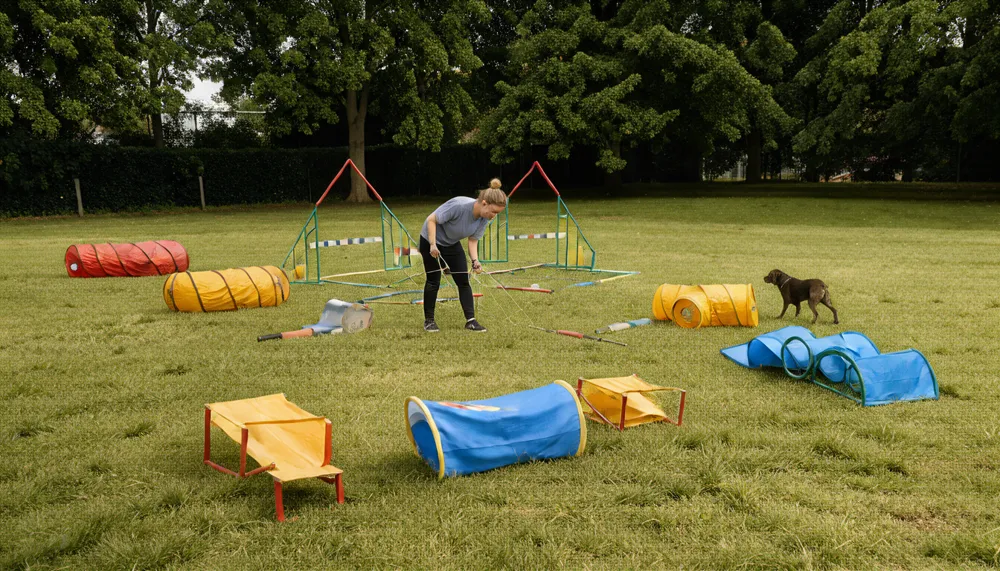
Dog agility is a sport that thrives on community. While you can certainly train your dog alone, having a partner at the local park can significantly enhance your practice sessions. A training partner provides an extra set of eyes to spot handling errors, offers moral support during difficult training phases, and helps keep the energy high for both you and your dog. However, finding the right person requires more than just spotting someone with a dog and a jump bar. It involves understanding local park etiquette, ensuring safety for all participants, and aligning training goals. This guide will walk you through the steps to identify, approach, and maintain a productive partnership for agility practice in public spaces, keeping in mind that customs and regulations vary by country.
Assessing Your Own Readiness and Goals
Before you look for a partner, you must be clear about what you need. Agility training is not a one-size-fits-all activity. Some handlers are focused on speed and competition preparation, while others are working on basic obstacle introduction or confidence building for a shy dog. If you are a beginner looking to learn the basics, pairing with an advanced competitor might be overwhelming for your dog and frustrating for you. Conversely, if you are training for competition, you need a partner who understands timing and handling nuances.
Take time to define your current skill level and your immediate goals. Are you working on weave poles? Are you trying to improve your dog’s recall? Are you simply looking for someone to hold the start line while you run? Knowing your specific needs will help you filter potential partners effectively. It also prevents mismatched expectations, which is the most common reason training partnerships dissolve. Be honest about your dog’s temperament as well. If your dog is reactive to other dogs, you need a partner who is comfortable with distance work or who has a calm, non-reactive dog that can serve as a stable presence in the background.
Understanding Local Park Etiquette and Regulations
Public parks are shared spaces, and the rules governing dog activities can differ significantly depending on where you live. In some countries, such as the United States or the United Kingdom, many parks have designated "off-leash" hours or specific zones where agility equipment is permitted. In other regions, particularly in parts of Europe or Asia, dogs may be required to be on a leash at all times in public parks, with agility practice restricted to private clubs or specific fenced areas.
Before approaching anyone, research the local bylaws. Check the park’s official website or signage for rules regarding dog hours, leash requirements, and the use of portable equipment. Some parks prohibit setting up jumps or tunnels during peak hours to avoid congestion. Understanding these rules shows respect for the community and prevents conflicts with park rangers or other visitors. If you are unsure, ask park staff or local dog owners what is customary. In many places, it is considered polite to arrive early to set up and leave promptly when the park becomes crowded. Always clean up after your dog and ensure your equipment does not become a tripping hazard for joggers or families with children.
Identifying Potential Partners in the Park
Once you are familiar with the rules, you can begin observing the park environment. Look for handlers who are already practicing agility or who have dogs that seem well-trained and responsive. These individuals are likely already invested in dog sports and may be open to collaboration. Pay attention to their body language and how they interact with their dogs. A handler who is patient, consistent, and attentive is likely to be a good training partner.
You can also use digital tools to find local groups. Many cities have dog sports clubs or Facebook groups dedicated to agility in the area. While these online communities are useful, nothing replaces the face-to-face interaction of meeting someone at the park. If you see a regular at the park who seems approachable, observe their routine for a few visits before making a move. This allows you to gauge their temperament and whether their training style aligns with yours. If you are new to the area, you might find that platforms like TodayMap show such posts on a free live map, helping you visualize where other handlers are gathering without needing to join multiple social media groups immediately.
Making the First Approach
Approaching a stranger at the park can be intimidating, but most dog owners are friendly and eager to chat about their pets. Start with a casual, low-pressure interaction. Compliment their dog’s performance or ask a simple question about their training routine. For example, "Your dog has such a great recall! How long did it take to train that?" This opens a dialogue without immediately demanding a commitment.
If the conversation flows well, you can gently introduce the idea of training together. Be specific about what you are looking for. Instead of asking, "Do you want to train with me?" try saying, "I’m working on my dog’s speed through the tunnel. Would you mind holding the start line for a few runs while I focus on my handling?" This is a small, manageable request that allows both of you to test the dynamic. If they agree, keep the first session short and focused. Observe how they communicate, how they handle their dog, and whether they respect your space and equipment. If the interaction feels awkward or unproductive, it is perfectly acceptable to politely decline further sessions.
Establishing Safety and Communication Norms
Safety is paramount when training in a public space. Agree on basic ground rules before you begin regular sessions. Discuss how you will handle distractions, such as children running through the training area or other dogs approaching off-leash. Decide who will watch the perimeter while the other runs. This shared responsibility ensures that neither handler is distracted by their surroundings.
Communication should be clear and constructive. Agree on how you will give feedback. Some handlers prefer immediate corrections, while others prefer to review video footage after the session. Establish a signal for stopping the run if a safety issue arises, such as a loose piece of equipment or an approaching dog. Also, discuss how you will manage your dogs’ energy levels. If one dog is overly excited and the other is tired, it may be better to pause and let them rest rather than push through a frustrating session. Respecting each other’s limits and your dogs’ limits is key to a sustainable partnership.
Maintaining the Partnership
A successful training partnership requires consistency and mutual respect. Try to schedule regular sessions, even if they are short. Consistency helps both you and your dogs build routine and confidence. However, be flexible. If one of you has a busy week, communicate early so the other can adjust their plans. Avoid canceling last minute unless it is an emergency.
Keep the atmosphere positive. Agility training can be frustrating, especially when progress is slow. Celebrate small victories and offer encouragement. If you notice that your goals are diverging, have an open conversation. It may be time to adjust the focus of your sessions or to find a different partner for specific skills. Remember that the primary goal is to enjoy time with your dog and improve your skills. If the partnership becomes a source of stress, it is okay to part ways amicably. Thank them for their time and effort, and leave the door open for future casual interactions at the park.
Conclusion
Finding a training partner for dog agility at the local park is a rewarding process that can accelerate your progress and deepen your connection with your dog. By preparing yourself, respecting local customs, and approaching potential partners with clarity and courtesy, you can build a supportive training dynamic. Remember that the best partnerships are built on mutual respect, clear communication, and a shared love for the sport. Whether you find a long-term training buddy or simply a casual practice companion, the key is to keep the experience positive for both you and your dog. Start small, stay safe, and enjoy the journey of learning together in the great outdoors.
 How to Find a Trustworthy Neighbor to Pet-Sit Your Dog or Cat While You Travel
 Finding a Reliable Dog Walking Buddy for Urban Neighborhoods
 How to Arrange a Safe Indoor Cat Playdate with Other Local Cat Owners
 How to Find a Puppy Socialization Group at Your Local Pet Store or Park
 Finding a Safe Dog Playmate for Your Pet at the Local Off-Leash Beach
 Finding a Tennis Partner for Casual Matches at Public Courts