
How to Find a Foster Home for Orphaned Kittens in Your Area
November 2, 2026
Introduction
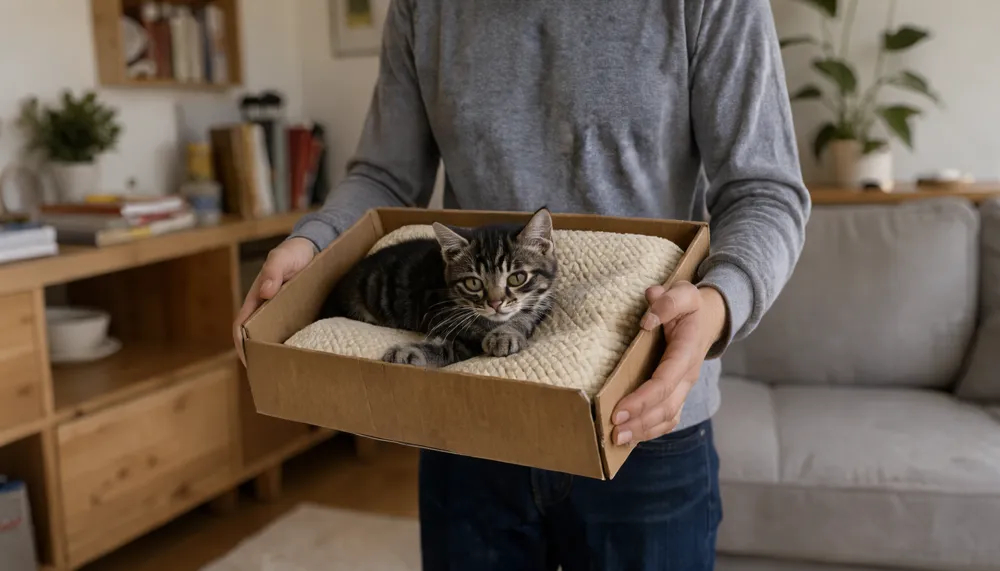
Finding a safe and nurturing environment for orphaned kittens is a compassionate but often challenging task. Whether you have discovered a litter in your neighborhood or are caring for kittens whose mother has passed away, the goal is to ensure they receive the specialized care they need during their most vulnerable weeks. While many animal lovers wish to help, not everyone has the time, space, or experience to provide round-the-clock care. This is where foster homes become essential. A foster home provides a temporary, family-like environment that helps kittens socialize and grow before they are ready for permanent adoption. This guide outlines practical steps to find suitable foster homes in your area, keeping in mind that resources and customs vary significantly by country and region.
Assess the Kittens’ Needs First
Before you begin searching for a foster home, it is crucial to understand the specific needs of the kittens you are trying to place. Not all foster homes are equipped to handle every situation. For instance, neonatal kittens (those under four weeks old) require bottle-feeding every two to three hours, including overnight. Many foster parents prefer older kittens that are weaned and eating solid food, as they require less intensive labor. If the kittens are very young, you may need to look for foster homes with specific experience in neonatal care or be prepared to provide the supplies and guidance yourself.
Additionally, consider the health status of the kittens. If they are sick, injured, or have parasites, many general foster homes may turn them away due to the risk of spreading illness to their own pets. In these cases, you may need to seek out specialized rescue groups or veterinary clinics that offer foster programs for medical cases. Being honest and detailed about the kittens’ age, health, and temperament will save you time and help you find a better match.
Connect with Local Animal Shelters and Rescues
One of the most reliable ways to find foster homes is through established local organizations. Animal shelters and rescue groups often maintain a network of volunteer foster parents who are vetted, trained, and ready to take in animals. Start by contacting shelters within a reasonable driving distance. Even if they are full, they may have a waiting list of foster volunteers or know of independent fosters in the community.
When reaching out, ask if they accept owner surrenders or community cats. Some shelters have strict intake policies and may only accept animals from their own intake channels. However, many are willing to partner with individuals who have found kittens, especially if you can provide proof of health checks or vaccinations. If a shelter cannot take the kittens directly, ask if they can list the kittens on their website or social media pages as "foster-to-adopt" or "foster needed." This visibility can attract experienced foster parents who trust the organization’s vetting process.
Utilize Online Community Platforms
In today’s digital age, online platforms are powerful tools for connecting kittens with foster homes. Social media groups dedicated to local pet adoptions, rescue networks, and community boards are excellent places to post. When creating your post, include clear photos, the kittens’ ages, health status, and any special needs. Use relevant hashtags and share the post in multiple groups to increase visibility. Be cautious of scams and always meet potential fosters in a safe, public place for the initial interview.
Another effective resource is specialized pet adoption websites and apps. These platforms often allow you to filter searches by location and animal type. Some communities have dedicated Facebook groups or Nextdoor neighborhoods where residents actively look for animals to foster. When posting, be clear that you are looking for a foster home, not necessarily a permanent adoption, as this distinction attracts people who are willing to provide temporary care.
For those looking for a more visual and location-based approach, platforms like TodayMap show such posts on a free live map. This can be particularly helpful in urban areas where you want to find fosters who live nearby, making it easier to transport the kittens and maintain contact during the transition period. Using a map-based interface can help you identify active foster networks in your immediate vicinity without having to sift through unrelated posts.
Prepare a Foster Package
To make the process smoother and more appealing to potential foster parents, consider preparing a "foster package." This demonstrates your commitment and reduces the burden on the foster home. A basic package might include high-quality kitten food, litter, a carrier, and any necessary medications or supplements. If you have the budget, covering the cost of spaying or neutering and vaccinations can be a significant incentive, as these are often the biggest financial hurdles for foster parents.
If you are not able to cover all costs, be transparent about what you can provide. Some foster parents are happy to cover expenses in exchange for the experience, while others may need financial assistance. Clarifying this upfront prevents misunderstandings later. Additionally, provide any veterinary records you have. If the kittens have seen a vet, bring the paperwork. If they haven’t, be prepared to take them to a vet before the foster home takes them, or ask if the foster home has a preferred clinic they can visit.
Vet Potential Foster Homes Carefully
Just as you would vet an adopter, you should vet a foster home. This is especially important if the kittens are young or fragile. Ask potential fosters about their experience with cats, whether they have other pets, and how they plan to introduce the kittens to their household. Inquire about their availability, especially if the kittens are neonatal and need frequent feeding. A good foster home should have a quiet, safe space where the kittens can be isolated from other pets until they are cleared by a vet.
It is also wise to ask for references or check if they are registered with a local rescue group. While you do not need to be overly intrusive, ensuring that the foster home is clean, safe, and committed to the kittens’ well-being is essential. Trust your instincts. If something feels off, it is okay to keep looking. The goal is to find a home where the kittens will thrive, not just survive.
Consider Cultural and Regional Differences
When searching for foster homes, remember that customs and regulations regarding animal care differ by country and even by region. In some countries, community cats are widely accepted and cared for by local volunteers, while in others, stray animals are primarily managed by municipal shelters. In certain regions, there may be cultural preferences for specific breeds or colors, which can affect how quickly kittens are fostered or adopted. Be patient and respectful of local norms.
In some areas, it is common for neighbors to informally foster kittens without formal paperwork. While this can be effective, it is still beneficial to establish clear expectations regarding veterinary care and eventual adoption. If you are in a country with strict animal welfare laws, ensure that the foster home is compliant with local regulations, such as licensing requirements for multiple cats. Understanding these local nuances will help you navigate the process more smoothly and find a home that fits the community’s standards.
Conclusion
Finding a foster home for orphaned kittens requires patience, preparation, and persistence. By assessing the kittens’ needs, leveraging local shelters and online platforms, and preparing a supportive foster package, you can increase your chances of a successful placement. Remember to vet potential fosters carefully and remain mindful of regional differences in animal care customs. With the right approach, you can ensure that these vulnerable kittens receive the love and care they need to grow into healthy, adoptable cats.
 How to Find a Trustworthy Neighbor to Pet-Sit Your Dog or Cat While You Travel
 Finding a Reliable Dog Walking Buddy for Urban Neighborhoods
 How to Arrange a Safe Indoor Cat Playdate with Other Local Cat Owners
 How to Find a Puppy Socialization Group at Your Local Pet Store or Park
 Finding a Safe Dog Playmate for Your Pet at the Local Off-Leash Beach
 Finding a Tennis Partner for Casual Matches at Public Courts