
How to Find a Bird-Watching Buddy for Early Morning Park Sessions
November 2, 2026
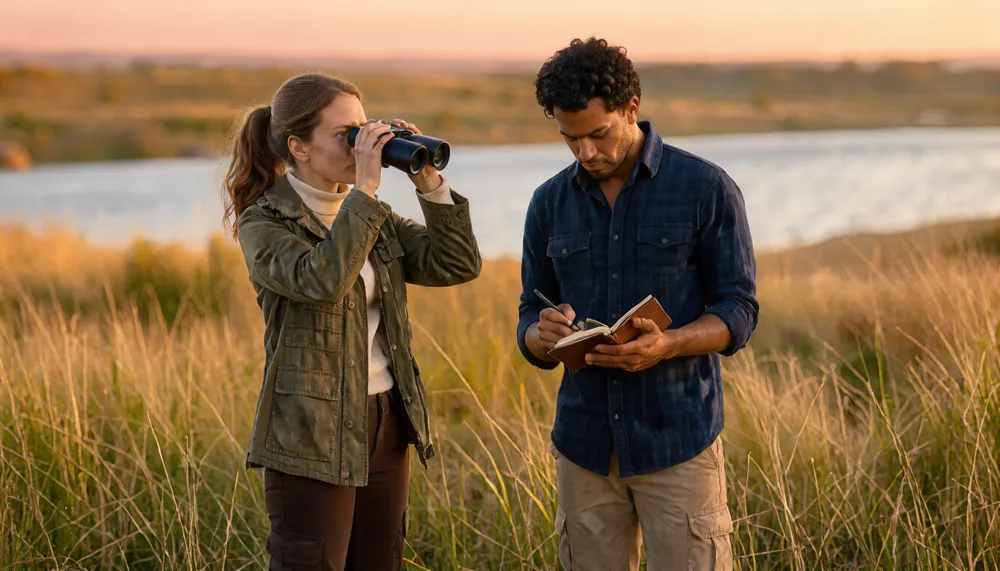
Finding a companion for early morning bird-watching can transform a solitary hobby into a shared adventure. The quiet hours before sunrise offer the best opportunities to observe active wildlife, but they also present unique challenges regarding safety, logistics, and social compatibility. Whether you are a novice looking for guidance or an experienced birder seeking a partner to share sightings, finding the right buddy requires a thoughtful approach. This guide outlines practical steps to connect with like-minded enthusiasts while respecting local norms and ensuring a positive experience for everyone involved.
Define Your Expectations and Goals
Before reaching out to potential partners, clarify what you hope to gain from the partnership. Bird-watching is a broad activity with varying styles and objectives. Some enthusiasts prefer a slow, meditative pace, sitting quietly in one spot for hours to observe subtle behaviors. Others enjoy a more active approach, hiking through different habitats to maximize species counts. Understanding your own preferences will help you filter potential matches effectively.
Consider the following aspects of your ideal session:
- Pace: Do you prefer a leisurely stroll or a brisk walk? Are you comfortable standing still for long periods?
- Focus: Are you interested in identifying every species you see, or do you prefer casual observation and photography?
- Equipment: Do you use binoculars, a spotting scope, or a camera? Will you share equipment, or does each person bring their own?
- Communication: Do you want a partner who talks through sightings, or someone who remains silent to avoid disturbing the birds?
Writing down these preferences helps you communicate clearly when you first contact potential buddies. It prevents misunderstandings later, such as one person wanting to rush to a rare bird sighting while the other prefers to linger at a feeder station.
Leverage Local Community Resources
The most effective way to find a reliable buddy is through established local networks. While online platforms are convenient, local groups often provide a higher level of trust and shared context. Start by checking with local nature centers, botanical gardens, or parks departments. Many of these institutions host regular bird walks or have bulletin boards where members post requests for companions.
Libraries and community centers are also excellent resources. They often host clubs for naturalists, photographers, or general outdoor enthusiasts. Attending a few meetings allows you to gauge the social atmosphere and identify individuals who share your interest in early morning outings. When introducing yourself, mention your specific interest in dawn sessions. This niche focus often attracts people who are equally dedicated to the early hours.
If you prefer digital tools, look for local Facebook groups, Meetup events, or dedicated birding forums specific to your region. When posting, be clear about your location, preferred meeting times, and general experience level. A well-structured post attracts serious respondents and filters out those who may not be committed to the early start.
Prioritize Safety and Logistics
Early morning sessions come with inherent logistical challenges. It is often dark or dimly lit when you meet, and you may be in secluded areas of a park. Safety should be your primary concern when arranging a first meeting with a new acquaintance. Always choose a public, well-lit meeting point, such as a main park entrance or a nearby café, rather than a remote trailhead.
Consider these safety and logistical tips:
- Share your location: Let a friend or family member know where you are going and who you are with. Share your live location on your phone if possible.
- Dress appropriately: Wear bright or reflective clothing if visibility is low. Ensure you have sturdy footwear suitable for the terrain.
- Plan for weather: Early mornings can be colder than the rest of the day. Check the forecast and dress in layers.
- Have an exit strategy: Agree on a time to end the session and a method for parting ways if either person feels uncomfortable.
It is also wise to meet for a short duration initially. A one-hour session is less of a commitment than a full-day hike and allows both parties to assess compatibility without pressure. If the first outing goes well, you can gradually extend the duration and explore more remote areas together.
Respect Local Customs and Etiquette
Bird-watching culture varies significantly by country and region. What is considered polite in one location may be frowned upon in another. As a global audience, it is essential to research and respect local norms to avoid offending potential partners or other park visitors.
In some countries, birding is a highly social activity where groups gather in large numbers, and sharing sightings is the norm. In others, it is a solitary pursuit, and approaching strangers may be seen as intrusive. Pay attention to how other birders interact in your local parks. Do they greet each other? Do they share binoculars? Do they remain silent?
Additionally, be mindful of park rules and local laws. Some parks have specific hours for entry, while others may restrict access to certain trails before sunrise. In some regions, there are strict regulations regarding noise levels or the use of playback devices to attract birds. Familiarize yourself with these rules before inviting a buddy. If you are new to the area, ask a local expert or park ranger for guidance. This shows respect for the environment and the community, which can help build trust with potential partners.
Evaluate Compatibility on the First Outing
The first few outings are essentially interviews. You are assessing whether your styles and personalities mesh. Pay attention to how your potential buddy interacts with the environment and with you. Do they respect your space? Are they punctual? Do they share your enthusiasm for the birds you see?
Good communication is key. If your buddy is constantly talking and scaring away birds, gently suggest a period of silence. If they are too quiet and you want to discuss sightings, ask them questions about what they are seeing. A good partner is flexible and willing to adjust their behavior to ensure both people enjoy the experience.
Also, consider the practical aspects of the partnership. Are they prepared with water, snacks, and extra batteries? Do they have a basic understanding of bird identification, or are they relying entirely on you? While it is fine to have different skill levels, a complete lack of preparation can be frustrating. A reliable buddy brings their own gear and is ready to start on time.
Build a Long-Term Partnership
If the first few sessions go well, you can begin to build a more regular routine. Consistency helps establish trust and makes planning easier. Agree on a regular schedule, such as every Saturday morning, and stick to it. This reliability makes it easier to coordinate with other park visitors or join larger group walks if desired.
To keep the partnership fresh, vary your locations. Explore different habitats within your city or region. This not only keeps the experience interesting but also exposes you both to a wider variety of species. You might also consider joining a larger birding club together. This can provide a broader social network and access to expert knowledge, while still maintaining your one-on-one buddy dynamic.
Remember that friendships take time to develop. Be patient and respectful. If your buddy cancels occasionally, be understanding. Life happens, and flexibility is a valuable trait in any partnership. By focusing on shared interests and mutual respect, you can create a lasting and rewarding bird-watching friendship.
Conclusion
Finding a bird-watching buddy for early morning sessions is a rewarding process that enhances your connection to nature and your community. By defining your goals, leveraging local resources, prioritizing safety, and respecting cultural norms, you can find a partner who shares your passion. Start with clear communication and small commitments, and allow the relationship to grow naturally. With patience and preparation, you will soon have a reliable companion to share the quiet beauty of dawn with.
 How to Find a Trustworthy Neighbor to Pet-Sit Your Dog or Cat While You Travel
 Finding a Reliable Dog Walking Buddy for Urban Neighborhoods
 How to Arrange a Safe Indoor Cat Playdate with Other Local Cat Owners
 How to Find a Puppy Socialization Group at Your Local Pet Store or Park
 Finding a Safe Dog Playmate for Your Pet at the Local Off-Leash Beach
 Finding a Tennis Partner for Casual Matches at Public Courts