
How to Become a Volunteer Dog Walker at Your Local Animal Shelter
November 1, 2026
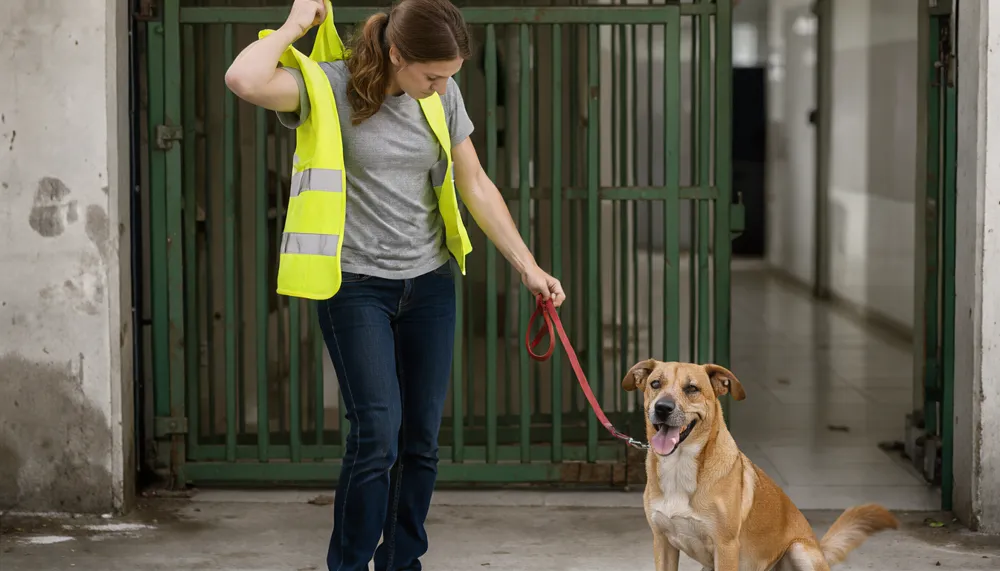
Volunteering as a dog walker is one of the most rewarding ways to support local animal welfare organizations. It provides essential exercise and socialization for shelter dogs while giving volunteers a meaningful way to contribute to their community. However, shelters are busy, high-stress environments with strict safety protocols. Becoming a trusted volunteer requires more than just a love for dogs; it demands reliability, patience, and a willingness to learn. This guide outlines the general steps to get started, keeping in mind that specific requirements may vary depending on your country and local regulations.
Assess Your Availability and Commitment
Before reaching out to shelters, take a realistic look at your schedule. Shelters rely on volunteers to provide consistent care, and irregular attendance can disrupt their daily routines. Most organizations prefer volunteers who can commit to a regular slot, such as every Saturday morning or every Tuesday evening, for at least three to six months. This consistency helps staff build trust and allows dogs to become familiar with their walkers.
Consider the following factors when planning your schedule:
- Time per visit: Plan for at least one to two hours per session, including time for check-in, leash-up, walking, and cleaning up.
- Travel time: Factor in the distance to the shelter and any potential traffic or public transport delays.
- Weather conditions: Be prepared to walk in various weather conditions, as dogs need exercise regardless of rain or heat.
- Flexibility: While consistency is key, let the coordinator know if you have upcoming holidays or busy periods so they can plan accordingly.
Research Local Shelters and Rescue Groups
Not all shelters operate the same way. Some are municipal facilities run by the city, while others are non-profit rescues or private organizations. In many countries, animal welfare laws differ significantly, which affects how volunteers are managed. For instance, some regions require volunteers to be registered with a local animal welfare board, while others rely solely on internal training.
Start by identifying shelters within a reasonable driving distance. Visit their websites to look for a "Volunteer" or "Get Involved" section. Pay attention to the specific roles they offer. Some shelters separate dog walking from other tasks like cat socialization or administrative help. If you are interested in walking, ensure the organization has a dedicated program for it. You can also check community boards or local social media groups for recommendations on which shelters are actively seeking help. If you are unsure where to start, platforms like TodayMap can help you discover local community events and volunteer opportunities on a free live map, making it easier to find organizations near you.
Prepare for the Application Process
Once you have identified a few potential shelters, the next step is to apply. This process is usually more formal than simply showing up with a leash. Shelters need to ensure that their volunteers are safe, reliable, and capable of handling dogs with varying temperaments.
Common application steps include:
- Online Application: Fill out a detailed form asking about your experience with dogs, your availability, and your emergency contacts.
- Background Check: In many countries, especially those with strict liability laws, shelters may require a criminal background check to ensure the safety of the animals and the public.
- Reference Checks: Provide contact information for previous employers or volunteer coordinators who can vouch for your reliability.
- Health Requirements: Some shelters require proof of up-to-date vaccinations for the volunteer, particularly for rabies and tetanus, depending on local health regulations.
Be honest about your experience. If you are a novice, say so. Many shelters are happy to train beginners, but they need to know your skill level to assign you appropriate dogs.
Complete Mandatory Training
Training is the most critical phase of becoming a volunteer dog walker. It ensures that you understand how to handle dogs safely and how to interact with shelter staff. Training sessions can range from a few hours to several weeks, depending on the complexity of the program.
During training, you will typically learn:
- Leash Skills: How to properly fit a harness, use a leash without causing injury, and manage pulling or lunging.
- Body Language: How to read canine signals to identify stress, fear, or aggression before they escalate.
- Safety Protocols: How to open and close kennel doors safely, how to prevent escapes, and what to do in case of a dog fight or medical emergency.
- Cleaning Procedures: How to clean kennels and pick up waste to maintain hygiene standards.
In some regions, you may need to pass a practical test where you demonstrate your skills with a calm, well-behaved dog before being allowed to walk more challenging animals. Do not rush this process. Ask questions and take notes. The goal is to build confidence and competence.
Understand Shelter Etiquette and Rules
Every shelter has its own culture and set of rules. Adhering to these guidelines is essential for maintaining a positive relationship with the staff and ensuring the well-being of the animals. Violating rules, even unintentionally, can lead to suspension or removal from the volunteer program.
Key etiquette points to remember include:
- No Personal Items: Leave phones, food, and personal belongings in your car or a designated locker. Distractions can lead to accidents.
- Respect Staff Time: Staff members are often busy with medical care and administrative tasks. Ask for help when needed, but try to solve minor issues independently first.
- No Photography Without Permission: While it is tempting to post photos of the dogs on social media, many shelters have strict policies regarding privacy and branding. Always ask before taking pictures, and never post photos that identify staff members or other volunteers without consent.
- Dress Appropriately: Wear closed-toe shoes, long pants, and clothes that can get dirty. Avoid loose scarves or jewelry that a dog might grab.
Start with Easy Dogs and Build Trust
When you first begin walking, you will likely be assigned to the "green" or "easy" dogs. These are typically well-socialized, calm animals that are good for beginners. This is not a reflection of your worth but a safety measure. As you demonstrate reliability and skill, you may be allowed to walk more energetic or shy dogs.
Tips for your first few walks:
- Observe First: Watch experienced volunteers or staff walk the dogs before you take them out.
- Keep It Short: Start with shorter walks to build stamina for both you and the dog.
- Stay Alert: Keep your eyes on the dog and the surroundings. Avoid talking on the phone or chatting with other volunteers while walking.
- Report Issues: If a dog shows signs of stress or aggression, report it to the coordinator immediately. Do not try to "fix" the behavior yourself unless trained to do so.
Maintain Long-Term Engagement
Volunteering is a long-term commitment. To stay engaged and make a real impact, treat your role with professionalism. Communicate with the volunteer coordinator if your schedule changes. Attend any refresher training sessions offered by the shelter. Over time, you may become a senior volunteer who helps train new recruits.
Remember that the goal is to improve the lives of the dogs. A well-exercised, socialized dog is more likely to be adopted. By being a consistent, careful, and compassionate walker, you contribute directly to that success. If you find that the shelter environment is not a good fit for you, do not hesitate to speak with the coordinator. They may be able to adjust your duties or suggest a different role that better suits your strengths.
Conclusion
Becoming a volunteer dog walker is a journey that requires patience, preparation, and a genuine commitment to animal welfare. By researching local options, completing required training, and adhering to shelter protocols, you can become a valuable asset to your community. While customs and regulations vary by country, the core principles of safety, reliability, and compassion remain universal. Start small, stay consistent, and enjoy the rewarding experience of making a difference in the lives of shelter dogs.
 How to Find a Trustworthy Neighbor to Pet-Sit Your Dog or Cat While You Travel
 Finding a Reliable Dog Walking Buddy for Urban Neighborhoods
 How to Arrange a Safe Indoor Cat Playdate with Other Local Cat Owners
 How to Find a Puppy Socialization Group at Your Local Pet Store or Park
 Finding a Safe Dog Playmate for Your Pet at the Local Off-Leash Beach
 Finding a Tennis Partner for Casual Matches at Public Courts