
Finding a Hiking Partner Who Brings Their Dog for Weekend Trail Adventures
November 3, 2026
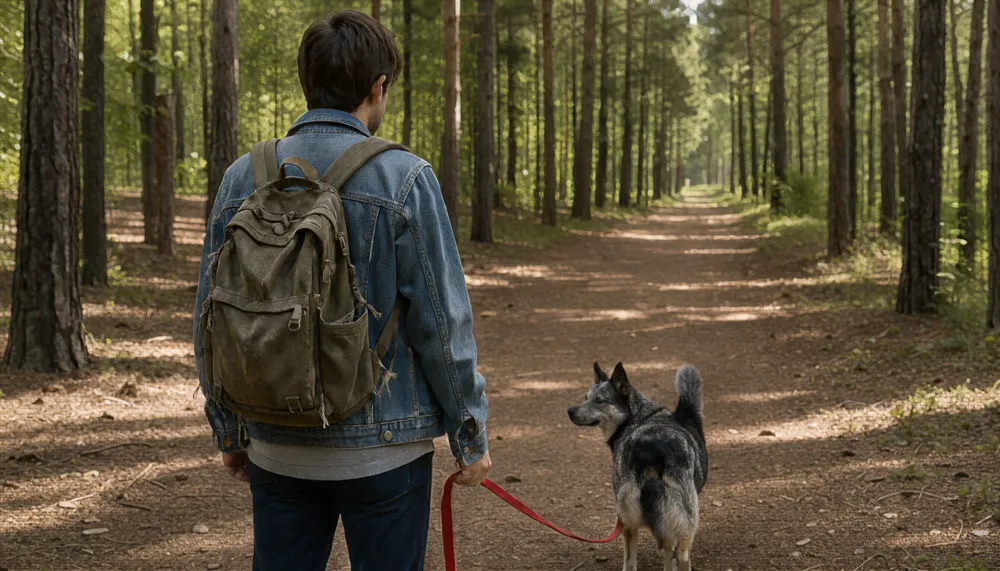
Hiking with a dog is a rewarding experience that combines physical activity with the companionship of a loyal pet. However, finding a hiking partner who also brings their dog can be challenging. It requires more than just matching schedules; it involves aligning on trail etiquette, dog behavior expectations, and safety protocols. This guide provides a structured approach to finding and vetting a suitable hiking partner for weekend adventures, ensuring that both you and your canine companion have a positive experience. Whether you are a seasoned hiker or new to the sport, these steps will help you navigate the process of connecting with like-minded individuals who share your passion for dog-friendly trails.
Define Your Hiking and Dog Preferences
Before you begin searching for a partner, it is essential to clarify what you are looking for in a hiking companion and what your dog needs from the experience. Not all dogs are suited for every type of trail, and not all hikers are comfortable with every dog behavior. Start by assessing your own fitness level and the type of terrain you prefer. Do you enjoy steep, technical climbs, or do you prefer flat, scenic paths? Are you looking for short, frequent outings or longer, more demanding treks? Answering these questions will help you filter potential partners who match your pace and intensity.
Next, consider your dog’s specific needs and limitations. Some dogs are high-energy and require vigorous exercise, while others may be older or have health conditions that limit their endurance. Determine if your dog is reactive to other dogs, people, or wildlife. If your dog is shy or easily distracted, you may want to seek a partner whose dog is calm and well-trained. Conversely, if your dog is playful and social, you might look for a partner with a similarly energetic pet. Being honest about these details upfront prevents mismatches and ensures a safer, more enjoyable hike for everyone involved.
Utilize Local and Digital Communities
Once you have defined your preferences, the next step is to identify where to look for potential partners. Local hiking clubs and outdoor groups are excellent resources for finding people who share your interests. Many clubs have specific subgroups or events dedicated to dog owners. Attending these gatherings allows you to meet potential partners in person, observe their dogs’ behavior, and gauge compatibility before committing to a hike. If local clubs are not available or do not have a dog-friendly focus, consider broader outdoor communities that welcome pets.
Digital platforms can also be effective for finding hiking partners. Social media groups dedicated to local hiking or dog ownership are often active and can provide leads. Additionally, specialized outdoor apps and community boards allow you to post or search for hiking partners. When using these platforms, be clear in your description about your dog’s breed, size, age, and temperament. Mentioning that you are looking for a dog-friendly partner helps filter out those who may not be interested in hiking with pets. For those seeking a visual and immediate way to see who is active in their area, TodayMap shows such posts on a free live map, allowing you to connect with nearby hikers who are planning similar outings.
Establish Clear Expectations and Rules
Communication is key to a successful hiking partnership, especially when dogs are involved. Before the first hike, have a detailed conversation with your potential partner about expectations and rules. Discuss the trail route, distance, elevation gain, and estimated time. Agree on a pace that works for both dogs and humans. If one dog is faster or more energetic than the other, decide how you will manage the difference. Will you hike separately and meet at checkpoints, or will you adjust the pace to accommodate the slower dog?
It is also important to discuss leash policies and off-leash permissions. Some trails require dogs to be on a leash at all times, while others allow off-leash hiking in designated areas. Ensure both you and your partner are aware of local regulations and adhere to them strictly. If off-leash hiking is permitted, agree on recall commands and how to handle encounters with other hikers or wildlife. Discuss how you will manage waste, water breaks, and rest stops. Setting these expectations in writing, even via a simple text message exchange, can prevent misunderstandings and ensure a smooth experience.
Prioritize Safety and Health Checks
Safety should be a top priority when hiking with dogs. Before embarking on a weekend adventure, ensure that both dogs are up to date on vaccinations and flea and tick prevention. Check the weather forecast and trail conditions in advance. Extreme heat, cold, or wet conditions can pose risks to dogs, particularly those with short coats or sensitive paws. Bring adequate water and a portable bowl for both dogs, and consider bringing paw protection if the terrain is rocky or hot.
During the hike, keep an eye on both dogs for signs of fatigue, overheating, or injury. Watch for limping, excessive panting, or reluctance to continue. If one dog shows signs of distress, be prepared to adjust the plan or turn back early. It is also wise to carry a basic first aid kit for dogs, including bandages, antiseptic wipes, and tweezers for removing ticks or thorns. Knowing the location of the nearest veterinary clinic along the route can provide peace of mind in case of an emergency. By prioritizing safety and health, you create a secure environment for both dogs and humans to enjoy the outdoors.
Navigate Cultural and Regional Differences
When hiking with a partner, especially if you are traveling or living in a diverse area, be mindful of cultural and regional differences regarding dogs. In some countries, dogs are commonly allowed in public spaces, including cafes and shops, while in others, they may be restricted to specific areas. Trail etiquette can also vary; in some regions, off-leash hiking is the norm, while in others, leashes are strictly enforced. Research local customs and regulations before planning a hike to avoid conflicts with other trail users or authorities.
Language barriers may also play a role if you are hiking with someone from a different linguistic background. Use simple, clear language when discussing plans and safety protocols. Visual aids, such as maps or photos of the trail, can help bridge communication gaps. Being respectful of local customs and open to learning about different approaches to hiking with dogs will enhance your experience and foster positive relationships with your hiking partner and the wider community.
Build Trust Through Gradual Progression
Building trust with a new hiking partner takes time, especially when dogs are involved. Start with shorter, easier hikes to assess compatibility and dog behavior. Observe how your dogs interact with each other and how your partner handles their dog. Pay attention to how they respond to commands, how they manage waste, and how they react to unexpected situations. If the initial hikes go well, gradually increase the distance and difficulty of your outings.
Regular feedback is essential for maintaining a healthy partnership. After each hike, discuss what went well and what could be improved. Did the dogs get along? Was the pace comfortable? Were there any safety concerns? Use this feedback to adjust future plans and strengthen your collaboration. Over time, you will develop a rhythm and understanding that makes hiking with your partner and their dog a rewarding and enjoyable experience.
Conclusion
Finding a hiking partner who brings their dog for weekend trail adventures requires careful planning, clear communication, and a focus on safety and compatibility. By defining your preferences, utilizing local and digital communities, establishing expectations, prioritizing safety, respecting cultural differences, and building trust gradually, you can create a successful and enjoyable hiking partnership. Remember that the goal is to enjoy the outdoors with your canine companion while fostering positive interactions with other hikers. With patience and preparation, you can find a partner who shares your passion for dog-friendly trails and make the most of your weekend adventures.
 How to Find a Trustworthy Neighbor to Pet-Sit Your Dog or Cat While You Travel
 Finding a Reliable Dog Walking Buddy for Urban Neighborhoods
 How to Arrange a Safe Indoor Cat Playdate with Other Local Cat Owners
 How to Find a Puppy Socialization Group at Your Local Pet Store or Park
 Finding a Safe Dog Playmate for Your Pet at the Local Off-Leash Beach
 Finding a Tennis Partner for Casual Matches at Public Courts