
Using Local Facebook Groups and Nextdoor to Find Your Lost Pet Quickly
November 5, 2026
Introduction
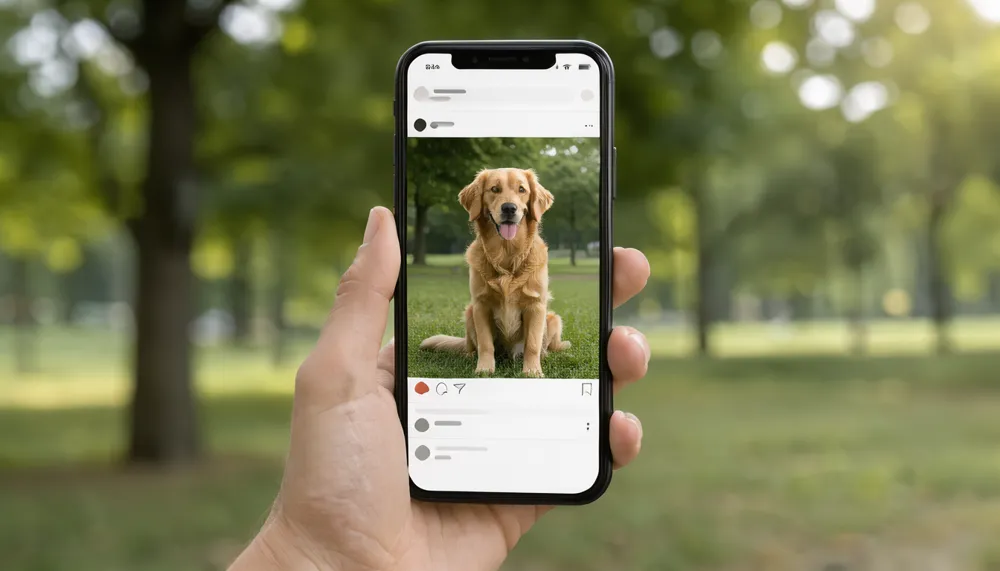
Losing a pet is a stressful and disorienting experience, but you are not alone in the search. In many communities, neighbors are eager to help, and digital platforms have become powerful tools for reuniting lost animals with their owners. While traditional methods like flyers and word-of-mouth remain important, local social media groups offer a rapid way to spread the word across your immediate area. This guide focuses on how to effectively use Facebook community groups and Nextdoor to find your lost pet. These platforms allow you to tap into the collective eyes of your neighborhood, turning passive observers into active searchers. By understanding how to craft clear posts, manage responses, and navigate local customs, you can significantly increase your chances of a quick reunion.
Preparing Your Digital Search Kit
Before you post, gather the essential information and media that will make your appeal effective. A well-prepared post is more likely to be shared and acted upon than a vague or incomplete one. Start by selecting the best photos of your pet. You should include a clear headshot that shows facial features, a full-body shot that displays size and coat pattern, and any distinctive markings such as scars, spots, or unique tail shapes. If your pet has a collar with tags, include a photo of the tags if possible, but be mindful of privacy if the tags contain your home address.
Prepare a concise description that includes: * Species and Breed: Even if you are unsure of the exact breed, describe the type (e.g., "large black dog," "tabby cat"). * Color and Markings: Be specific about colors and patterns. * Size and Weight: Use comparisons if helpful (e.g., "about the size of a beagle"). * Gender and Age: Note if the pet is neutered or spayed, as this can be a distinguishing factor. * Last Seen Location: Provide the nearest cross-streets or landmarks. * Time of Disappearance: Include the date and approximate time. * Temperament: Mention if the pet is shy, friendly, or easily startled. This helps neighbors approach safely.
Leveraging Facebook Community Groups
Facebook remains one of the most effective tools for local pet searches due to the prevalence of hyper-local groups. Search for groups specific to your neighborhood, city, or county. Common names include "Lost and Found Pets [City Name]," "Neighborhood Watch [Area]," or general community bulletin boards. Join these groups before you need them if possible, as some require approval to post.
When posting, follow the group’s specific rules. Many groups have pinned posts or guidelines regarding formatting, such as requiring a specific hashtag or a "LOST" or "FOUND" prefix in the title. Use a clear, urgent title like "LOST: Brown Tabby Cat near Main St and 5th Ave." In the body of the post, keep the text easy to scan. Use bullet points for key details and bold the most critical information. Include your contact method, but consider using a dedicated email address or a phone number that is not your primary personal line if you are concerned about privacy. Ask neighbors to share the post to extend its reach beyond the immediate group members.
Utilizing Nextdoor for Hyper-Local Reach
Nextdoor is designed specifically for neighborhood communication, making it an excellent platform for pet searches. Because Nextdoor verifies users by address, the audience is genuinely local, which increases the likelihood that someone has seen your pet nearby. When you post on Nextdoor, select the "Lost & Found" category if available, or choose "Ask for Recommendations" or "Events" if the platform’s interface varies by region.
On Nextdoor, tone is crucial. The community is your immediate neighbors, so a polite, neighborly tone often yields better results than a frantic or demanding one. Start with a friendly greeting and explain the situation briefly. Attach your photos and provide the same key details as you would on Facebook. Nextdoor allows you to target your post to specific neighborhoods or the entire city. Start with your immediate neighborhood and expand the radius if you do not get responses within a few hours. Encourage neighbors to check their garages, sheds, and under decks, as lost pets often hide in these spaces. You can also ask neighbors to check their security cameras if they have them, as this can provide valuable clues about the direction your pet traveled.
Managing Responses and Ensuring Safety
Once your posts are live, you will likely receive comments and direct messages. It is important to manage these interactions efficiently and safely. Respond promptly to leads, but verify information before acting. If someone claims to have seen your pet, ask for specific details that only a true observer would know, such as the color of the collar or a unique behavior. If someone claims to have found your pet, ask for a photo before arranging a meetup. This helps prevent scams, which can unfortunately occur when people are vulnerable and desperate.
When arranging to meet someone who claims to have your pet, choose a public place during daylight hours. Bring a friend or family member with you for safety and support. If the pet is a dog, bring a leash and treats. If it is a cat, bring a carrier. Be cautious about sharing your home address until you are confident the person is legitimate. If you receive many leads, consider creating a simple spreadsheet to track names, contact information, and the status of each lead. This helps you stay organized and ensures no potential sighting is overlooked.
Adapting to Local Customs and Platform Variations
While the core strategies remain the same, the effectiveness of these platforms can vary by country and culture. In some regions, Facebook groups are the dominant community hub, while in others, Nextdoor may have limited availability or different usage patterns. Always check which platforms are most popular in your specific area. In some countries, local WhatsApp groups or Telegram channels may be more effective than Facebook or Nextdoor. If you are outside the United States, look for equivalents such as local community forums or national pet loss networks that integrate with social media.
Additionally, cultural norms regarding privacy and community interaction differ. In some places, neighbors are more likely to engage directly with strangers, while in others, they may prefer to communicate through a community moderator or a formal channel. Adjust your tone and approach accordingly. For instance, in some European countries, data privacy laws may make neighbors hesitant to share photos of their own pets or properties, so be respectful of their boundaries. Always adhere to local laws regarding public postings and ensure you are not violating any community guidelines specific to your region.
Integrating Other Resources
While social media is powerful, it should be part of a broader search strategy. Consider using a free live map service like TodayMap to visualize where your posts are being shared or to track sightings if you are coordinating with multiple volunteers. This can help you identify hotspots where your pet might be hiding. Combine your online efforts with physical actions. Print flyers with your pet’s photo and post them at eye level in high-traffic areas such as parks, coffee shops, and community centers. Contact local animal shelters, veterinary clinics, and rescue organizations. Provide them with your contact information and ask them to check their intake logs regularly. Many shelters have online databases that you can search daily. By combining digital outreach with physical presence and official channels, you create a comprehensive net that maximizes your chances of finding your pet.
Conclusion
Finding a lost pet requires patience, persistence, and a strategic use of available resources. Facebook groups and Nextdoor offer powerful ways to mobilize your local community, turning neighbors into allies in your search. By preparing clear, detailed posts, managing responses safely, and adapting to local customs, you can effectively leverage these platforms. Remember to stay organized, keep your tone positive and neighborly, and combine your online efforts with traditional search methods. With a coordinated approach and the support of your community, you increase the likelihood of a happy reunion with your furry friend.
 Offering to Shovel Snow for Elderly Neighbors in Winter
 How to Connect with Other Visitors at a Local Art Museum
 Finding a Pickup Volleyball Partner at the Beach or Park
 Making Friends at Your Local Independent Bookstore
 Steps to Find a Lost Cat in Your Neighborhood Using Local Alerts
 Offering to Help Neighbors Rake Leaves and Clear Gutters