
Finding a Pickup Volleyball Partner at the Beach or Park
November 16, 2026
Introduction
Pickup volleyball is one of the most accessible and rewarding ways to stay active, meet new people, and enjoy the outdoors. Whether you are playing on the sand at a coastal beach or on the grass in a city park, the game relies heavily on community and cooperation. However, finding a consistent and compatible partner can sometimes be more challenging than finding a full team. Unlike organized leagues, pickup games depend on spontaneity, mutual respect, and clear communication. This guide provides practical strategies for locating partners, navigating local etiquette, and ensuring a safe and enjoyable experience for everyone involved. While the core rules of volleyball remain universal, social customs and playing styles vary significantly by country and region, so flexibility and cultural awareness are key to success.
Understanding Local Customs and Playing Styles
Before you head out to the court, it is essential to recognize that "pickup" means different things in different places. In some countries, such as Brazil or Italy, beach volleyball is deeply embedded in the culture, and games may start early in the morning with high intensity. In other regions, such as parts of Northern Europe or North America, games might be more casual and social, often starting later in the day.
- Observe before you join: If you are new to a specific location, spend a few minutes watching the ongoing games. Note the skill level, the pace of play, and how players interact. Are they competitive or recreational? Are they using a net, or are they playing without one?
- Respect local norms: In some cultures, it is polite to wait for a break between rallies to ask to join. In others, players may rotate automatically every few points. Asking a regular player for advice on how to join is often the best approach.
- Language barriers: If you are traveling or living in a non-native speaking area, learn basic volleyball terms in the local language. Simple words for "serve," "out," "net," and "my ball" can prevent misunderstandings and show respect for your partners.
Where to Look for Partners
Finding a partner requires a mix of digital tools and physical presence. While online platforms can help you connect with people who share your schedule, the best way to build a reliable network is often face-to-face.
- Visit at consistent times: Regulars are the backbone of any pickup scene. If you want to find a partner, go to the same beach or park at the same time of day for several weeks. Familiarity builds trust, and people are more likely to invite someone they recognize to play.
- Use community boards: Many parks and beach entrances have physical bulletin boards or digital kiosks where players post requests for partners. Check these regularly and consider posting your own request with your availability and skill level.
- Leverage local apps and maps: Digital tools can streamline the search. For instance, TodayMap shows such posts on a free live map, allowing you to see where games are happening in real-time. This can be particularly useful in large cities where multiple courts are active simultaneously. However, always verify the details by contacting the poster directly before heading out.
- Join local clubs or associations: Even if you prefer casual play, joining a local volleyball association can provide access to member lists or social media groups dedicated to finding partners.
Etiquette for Joining a Game
Once you have identified a group or a potential partner, how you approach them matters. Poor etiquette is the quickest way to be excluded from future games. The goal is to be a low-maintenance, positive addition to the group.
- Ask, don’t assume: Never walk onto a court and start playing without permission. Wait for a natural break in the action, approach the players, and ask if they need another player or if you can join the next rotation.
- Be flexible with rotations: In many pickup games, players rotate every few points or every game. Do not insist on staying on the court if it is not your turn. Accepting your role in the rotation demonstrates respect for the group’s structure.
- Keep it brief: If you are asking to join, keep your introduction short. State your name, your general skill level, and that you are happy to play. Long conversations about your background or past achievements can be off-putting to players who just want to play.
- Respect the "no" if you get one: Sometimes, groups are full, or they are playing a specific format that does not accommodate an extra player. If they decline, thank them politely and ask when they might be open to new players. Do not argue or linger.
Safety and Physical Considerations
Volleyball is a low-contact sport, but it still carries risks, especially on uneven surfaces like sand or grass. Ensuring your safety and the safety of your partners is a shared responsibility.
- Warm up properly: Before joining a game, spend at least five to ten minutes stretching your shoulders, legs, and back. Cold muscles are more prone to injury, and a quick warm-up shows that you are serious about playing well.
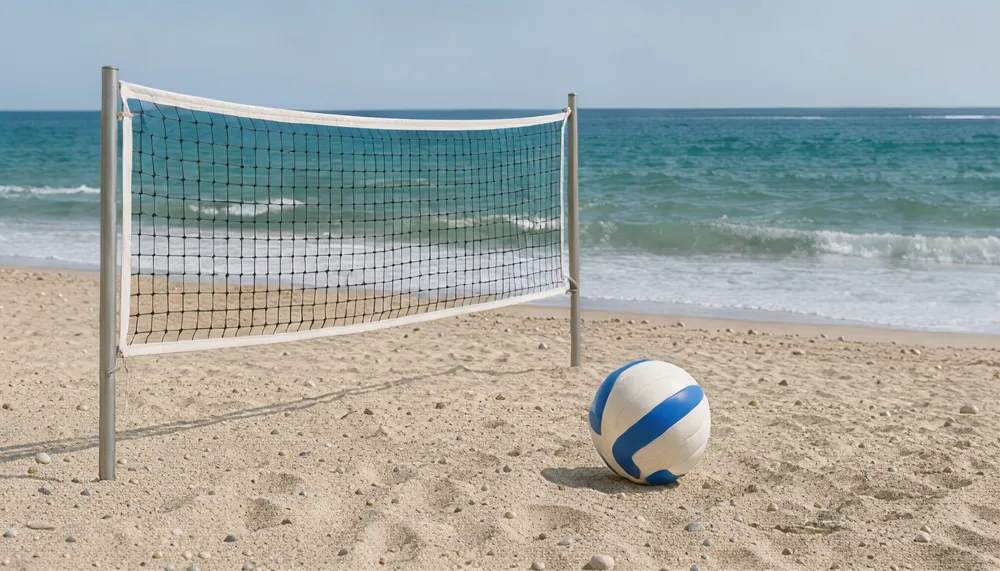
- Check the court conditions: Inspect the playing area for hazards. On the beach, look for shells, rocks, or holes. In parks, check for uneven ground, wet patches, or debris. If the net is loose or the posts are unstable, mention it to the other players.
- Communicate during play: Call "mine" or "yours" clearly when going for the ball. This prevents collisions and helps your partner anticipate your moves. If you are unsure about a ball, err on the side of caution and let your partner take it if they are better positioned.
- Hydrate and protect yourself: Depending on the climate, bring water and sun protection. In hot countries, playing during peak sun hours can be dangerous. In cooler climates, dress in layers that you can remove as you warm up.
Building Long-Term Partnerships
Finding a one-time partner is easy; finding a reliable regular partner takes effort. Consistency and reliability are the most valued traits in a pickup partner.
- Be punctual: If you agree to meet at a specific time, arrive on time or a few minutes early. Waiting for a partner who is late can disrupt the flow of the game and frustrate other players.
- Bring your own equipment: While many courts have nets and balls, it is wise to bring your own ball if possible. This ensures you can play even if the court’s equipment is unavailable or in poor condition. It also shows that you are prepared and self-sufficient.
- Provide constructive feedback: If you are playing with a new partner, offer positive reinforcement. If there is a misunderstanding about positioning or strategy, discuss it calmly between points. Avoid blaming your partner for errors; instead, focus on how you can adjust your play to complement theirs.
- Stay in touch: After a good game, exchange contact information or social media handles. Suggest a specific time to play again. Building a routine helps both of you improve and makes it easier to find a partner when you are in the mood to play.
Conclusion
Finding a pickup volleyball partner at the beach or park is as much about social skills as it is about athletic ability. By respecting local customs, observing before joining, and maintaining good etiquette, you can integrate into any volleyball community. Use digital tools to find initial connections, but rely on consistent presence and positive interactions to build lasting partnerships. Remember that the goal of pickup volleyball is enjoyment and exercise, so keep the atmosphere light, communicate clearly, and prioritize safety. With patience and respect, you will soon find yourself with a reliable group of players ready to set, spike, and celebrate the game together. Whether you are in a bustling city park or a quiet coastal beach, the volleyball community is welcoming to those who approach it with an open mind and a cooperative spirit.
 Offering to Shovel Snow for Elderly Neighbors in Winter
 How to Connect with Other Visitors at a Local Art Museum
 Making Friends at Your Local Independent Bookstore
 Steps to Find a Lost Cat in Your Neighborhood Using Local Alerts
 Offering to Help Neighbors Rake Leaves and Clear Gutters
 How to Strike Up Conversations at a Local Brewery Taproom