
Steps to Find a Lost Cat in Your Neighborhood Using Local Alerts
November 16, 2026
Losing a cat is a stressful experience, but acting quickly and strategically can significantly increase the chances of a reunion. Unlike dogs, which often run far and seek out people, cats tend to hide in silence, staying within a relatively small radius of their home. This behavior means that your most powerful tools are not just flyers on telephone poles, but the digital and physical networks that connect your immediate neighbors. By combining traditional search methods with modern local alert systems, you can mobilize your community to keep an eye out for your pet. This guide outlines a step-by-step approach to finding a lost cat, focusing on how to use local alerts and neighborhood resources effectively while respecting local customs and regulations.
Act Immediately and Search the Immediate Area
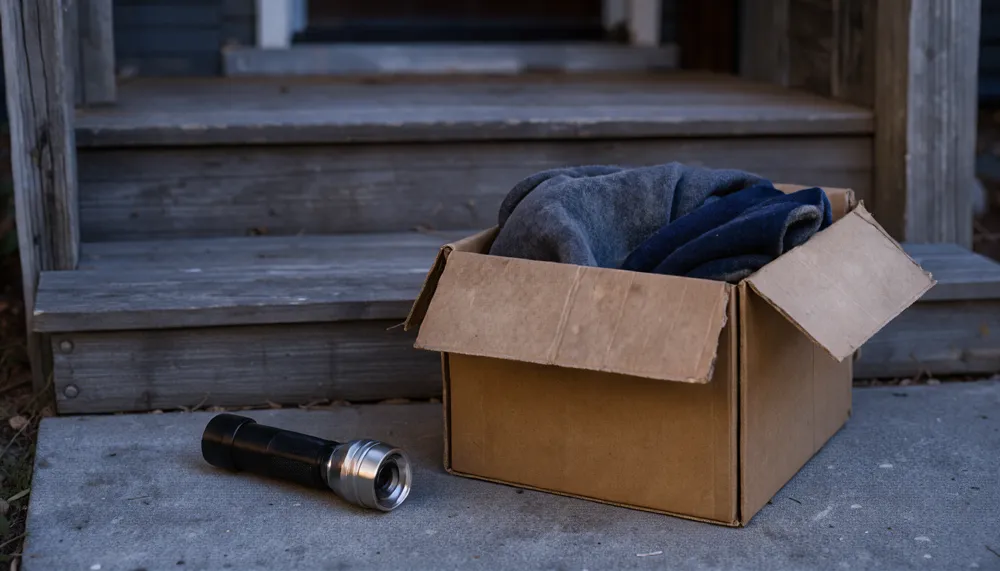
The first twenty-four hours are critical. Most lost cats are found within a five-house radius of where they went missing. Before you post online, you need to conduct a thorough physical search. Cats are nocturnal and crepuscular, meaning they are most active at dawn and dusk, and they are likely to be hiding during the day. Start your search in the evening or early morning when the neighborhood is quiet. Use a flashlight to scan under decks, in bushes, under cars, and in sheds. The beam of light will reflect off their eyes, making them easier to spot in dark hiding spots.
Bring familiar items with you to lure your cat out. Place their litter box, a worn t-shirt with your scent, and their favorite food outside your door. The scent of home can guide a disoriented cat back to its territory. Be patient and call your cat’s name softly; shouting can scare them further into hiding. If you have other pets, keep them indoors so they do not compete for attention or scare the lost cat away. This initial physical sweep establishes a baseline and helps you understand the terrain before you expand your search to the digital realm.
Leverage Local Digital Alert Systems
Once you have completed the initial physical search, it is time to activate your local digital networks. In many countries, neighborhood associations and community groups have moved their communications to digital platforms. Start by checking if your neighborhood has an official app or website. Many municipalities now use specific platforms for community alerts, ranging from crime watches to lost pet notices. These platforms are often monitored by local authorities or active community leaders who can amplify your message.
If you are unsure which platform your neighborhood uses, ask your immediate neighbors. They are your best source of information regarding which digital channels are active and respected in your area. In some regions, local police departments or animal control agencies have their own social media pages or alert systems. Posting there can sometimes trigger a more formal response, especially if your cat is microchipped. When posting, include a clear, high-quality photo of your cat, their name, distinguishing features, and the last known location. Keep the text concise and polite, asking neighbors to check their garages, sheds, and under porches.
Utilize Community Boards and Physical Flyering
While digital alerts are fast, physical presence remains vital. Many neighborhoods still rely on community bulletin boards located in local cafes, libraries, grocery stores, and community centers. These boards are often the first place residents look for local news and announcements. Create a simple, eye-catching flyer with a large photo of your cat and bold text that says "LOST CAT." Include your contact information and a brief description. Use bright colors to make the flyer stand out against the background of the board.
When distributing flyers, be mindful of local regulations. In some countries, posting on private property without permission can lead to fines or removal of the flyer. Always ask for permission before posting on shop windows or community boards. If you are unsure of the rules, stick to public bulletin boards or ask a local business owner if they would mind displaying your notice. Additionally, consider placing flyers in mailboxes if your neighborhood has a central mail collection point, but avoid stuffing individual mailboxes if it is considered intrusive in your area. The goal is to make your cat’s face familiar to everyone who walks through the neighborhood.
Engage with Neighborhood Social Media Groups
Social media is one of the most effective tools for mobilizing a community. Most neighborhoods have dedicated Facebook groups, Nextdoor communities, or WhatsApp groups for residents. Join these groups if you are not already a member. If you are new to the area, introduce yourself briefly before posting about your lost cat. This helps establish trust and makes neighbors more likely to help.
When posting in these groups, use the specific "Lost and Found" or "Community Alerts" section if available. Tag your post with the name of your neighborhood or street to ensure it reaches the right audience. Ask neighbors to share the post with their own networks. In many cultures, word-of-mouth is powerful, and a single share can reach hundreds of people. Be responsive to comments and messages. If someone claims to have seen your cat, ask for a photo or a detailed description to verify the sighting. Keep the tone positive and grateful, as this encourages continued support from the community.
Coordinate with Local Animal Shelters and Vets
While you are managing the digital and physical search, you must also contact local animal shelters and veterinary clinics. Provide them with a photo of your cat and your contact information. In many countries, shelters require you to visit in person to identify your cat, so be prepared to go there if a match is reported. Check with shelters in neighboring towns as well, as cats can sometimes travel further than expected, especially if they are chasing prey or fleeing from a threat.
Veterinary clinics are another crucial resource. If your cat is found injured or sick, a vet is often the first point of contact. Leave a flyer at the front desk and ask the staff to keep an eye out for your cat. If your cat is microchipped, ensure that the registration details are up to date. Contact the microchip company to report your cat as lost. This creates a digital flag that alerts the company if the chip is scanned by any vet or shelter in the network. This step is vital because it links the physical identification of your cat to your current contact information.
Use Live Map Tools for Visibility
To maximize visibility, consider using tools that aggregate lost pet reports onto a shared view. TodayMap shows such posts on a free live map, allowing neighbors to see where searches are active in their vicinity. This can help prevent duplicate efforts and encourage people to look in specific areas where sightings have been reported. When using such tools, ensure your post is accurate and updated regularly. If your cat is found, remove the post promptly to avoid confusion. These map-based tools are particularly useful in dense urban areas where many people are searching for different pets simultaneously. They provide a visual context that text-only posts lack, helping neighbors understand the geography of the search and where to focus their attention.
Maintain Patience and Persistence
Finding a lost cat is often a marathon, not a sprint. Cats can survive for weeks or even months on their own, so do not give up hope if you do not find them in the first few days. Continue to update your social media posts and flyers with new information. If you have not found your cat after a week, consider expanding your search radius slightly. Check with local animal control agencies to see if any similar cats have been reported. In some countries, there are specific laws regarding stray animals, so be aware of the local procedures for reclaiming a pet.
Keep your home accessible. Leave a door or window slightly open if it is safe to do so, and keep the litter box and food outside. Cats often return home at night when the streets are empty. If you have a dog, keep it on a leash when searching, as a loose dog can scare a hidden cat further away. Stay positive and keep communicating with your neighbors. A simple thank-you message to those who helped can strengthen community bonds and encourage future cooperation. The collective effort of your neighborhood, combined with your persistent search, is your best chance for a happy reunion.
Conclusion
Finding a lost cat requires a blend of immediate physical action and strategic use of local alert systems. By searching the immediate area thoroughly, leveraging digital community platforms, utilizing physical flyers, and coordinating with local shelters, you create a comprehensive net of visibility. Remember to respect local customs and regulations when posting and searching. Tools like live maps can enhance visibility, but the human element of your neighborhood network remains the most powerful resource. Stay patient, keep your posts updated, and maintain open communication with your neighbors. With persistence and community support, many lost cats are successfully reunited with their owners.
 Offering to Shovel Snow for Elderly Neighbors in Winter
 How to Connect with Other Visitors at a Local Art Museum
 Finding a Pickup Volleyball Partner at the Beach or Park
 Making Friends at Your Local Independent Bookstore
 Offering to Help Neighbors Rake Leaves and Clear Gutters
 How to Strike Up Conversations at a Local Brewery Taproom