
Offering to Shovel Snow for Elderly Neighbors in Winter
November 17, 2026
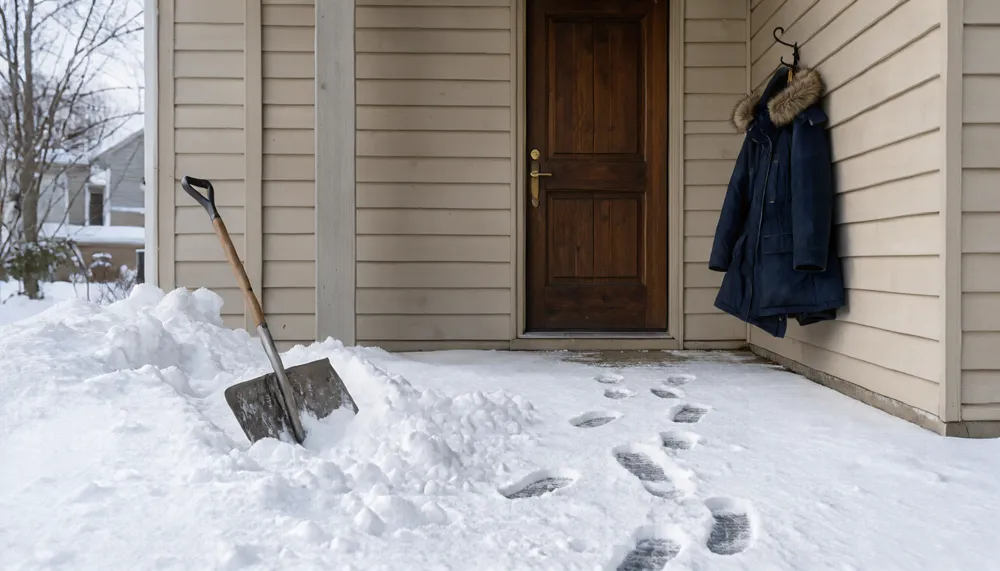
Winter brings beauty and coziness, but it also brings the physical burden of clearing snow and ice. For many elderly neighbors, this task can become dangerous or simply too strenuous. Offering to help is a kind gesture that strengthens community bonds and ensures safety. However, doing so requires sensitivity, clear communication, and an understanding of local norms. This guide outlines how to approach this offer respectfully and effectively, ensuring that both you and your neighbor feel comfortable and safe throughout the process.
Assessing the Situation and Building Trust
Before you pick up a shovel, take a moment to observe and understand the context. Not every elderly person wants or needs help, and some may prefer to maintain their independence. The key is to gauge interest without being intrusive. Start by introducing yourself if you are new to the area, or by engaging in casual conversation if you already know them. A simple greeting while walking your dog or checking your own mailbox can open the door for a natural conversation about the weather.
It is important to recognize that customs regarding neighborly help vary significantly by country and culture. In some regions, it is customary for neighbors to automatically clear each other’s paths, while in others, such offers might be viewed with suspicion unless a prior relationship exists. If you are unsure of the local norm, err on the side of politeness and explicit consent. Ask open-ended questions like, "How are you managing with the snow this year?" rather than assuming they need assistance. This allows them to express their needs or preferences without feeling pressured.
Making the Offer Respectfully
When you decide to make an offer, do so in a way that preserves your neighbor’s dignity. Avoid phrasing that implies they are incapable or helpless. Instead, frame the offer as a convenience or a community gesture. For example, you might say, "I’m heading out to clear my driveway this morning; would you like me to clear your walkway as well?" This approach makes the help seem like a natural extension of your own routine rather than a special favor.
Be prepared for a polite refusal. Some elderly individuals may have family members who visit regularly to help, or they may have hired a service. Respect their decision without pushing further. If they decline, let them know your offer stands for future storms. This low-pressure approach builds trust over time. If they accept, clarify the scope of the work immediately. Do they want just the front walk cleared, or the entire driveway? Are there specific areas, like steps or ramps, that need extra attention? Clear expectations prevent misunderstandings and ensure the job is done to their satisfaction.
Safety First: For You and Your Neighbor
Safety is paramount when working in winter conditions. Before you begin, ensure you are dressed appropriately for the weather. Wear layers that allow for movement, waterproof boots with good traction, and gloves that protect your hands from cold and moisture. If you are using a shovel, choose one that is lightweight and ergonomic to reduce strain on your back and shoulders. For larger areas, consider using a snow blower if you have access to one, but be mindful of noise levels and the potential for flying debris.
Pay close attention to the surface you are clearing. Ice can be more dangerous than snow, as it is often invisible and slippery. Use sand, salt, or eco-friendly de-icing agents if available, but ask your neighbor if they have a preference. Some people are concerned about the impact of salt on their plants or pets. If you are clearing steps, take extra care to remove all ice from the edges and treads. A single missed patch can lead to a serious fall. Always work from the top down on slopes to avoid slipping, and never rush the job. It is better to take your time and do a thorough job than to hurry and risk injury.
Communication and Coordination
Clear communication is essential for a smooth experience. If you are helping regularly, establish a simple system for coordination. Agree on a time when you will come out, preferably during daylight hours when visibility is best. If you are not able to come out due to illness or other commitments, let your neighbor know as soon as possible so they can make alternative arrangements. This reliability builds trust and ensures they are not left stranded.
Consider using local community tools to coordinate help. In many neighborhoods, residents use social media groups or community apps to share updates and offers of assistance. For instance, platforms like TodayMap show such posts on a free live map, allowing neighbors to see who is offering help in their immediate vicinity. This can be particularly useful in larger communities where you may not know every resident personally. However, always prioritize direct communication with your neighbor over digital announcements. A quick knock on the door or a phone call is often more personal and reassuring than a post on a map.
Handling Payment and Reciprocity
One of the most delicate aspects of offering help is the question of payment. Many elderly neighbors may feel uncomfortable accepting free labor, while others may be on a fixed income and appreciate the savings. It is best to address this early in the conversation. You might say, "I’m happy to help out as a neighborly gesture," or "If you’d like to cover the cost of materials, that’s fine, but the labor is on me." Be flexible and respect their preference.
If they insist on paying, accept it graciously to avoid awkwardness. Alternatively, they might offer to reciprocate in other ways, such as sharing homemade food, helping with gardening in the summer, or simply offering a warm cup of coffee. Accepting these gestures can strengthen the relationship and make the exchange feel more balanced. Remember that the goal is mutual support, not a transactional service. If they offer a tip, you can accept it or suggest they donate it to a local charity if they prefer. The key is to keep the interaction friendly and low-pressure.
Special Considerations for Different Regions
While the core principles of safety and respect apply everywhere, regional differences can influence how you approach the task. In areas with heavy snowfall, such as northern Europe or North America, snow removal is a critical survival task, and neighbors are often more accustomed to helping each other. In these regions, it may be helpful to coordinate with other neighbors to clear shared spaces or sidewalks. In milder climates where snow is rare, your offer may be seen as an exceptional kindness, and you may need to be more explicit about your intentions to avoid confusion.
In some cultures, it is customary to bring a small gift when offering help, such as baked goods or a plant. In others, this might be seen as unnecessary or even intrusive. Observe how other neighbors interact and follow their lead. If you are unsure, a simple verbal offer is usually sufficient. Additionally, be aware of local regulations regarding snow removal. In some cities, homeowners are required to clear sidewalks within a certain timeframe after a storm. Knowing these rules can help you prioritize tasks and ensure compliance.
Conclusion
Offering to shovel snow for elderly neighbors is a meaningful way to contribute to your community and ensure the safety of those around you. By approaching the task with respect, clear communication, and a focus on safety, you can build strong, trusting relationships with your neighbors. Remember to assess the situation carefully, make your offer politely, and respect their preferences regarding payment and scope of work. Whether you are in a region with heavy snowfall or a milder climate, the spirit of neighborly kindness transcends borders. With a little preparation and empathy, you can make a significant difference in someone’s winter experience, turning a challenging season into an opportunity for connection and care.
 How to Connect with Other Visitors at a Local Art Museum
 Finding a Pickup Volleyball Partner at the Beach or Park
 Making Friends at Your Local Independent Bookstore
 Steps to Find a Lost Cat in Your Neighborhood Using Local Alerts
 Offering to Help Neighbors Rake Leaves and Clear Gutters
 How to Strike Up Conversations at a Local Brewery Taproom