
How to Connect with Other Visitors at a Local Art Museum
November 17, 2026
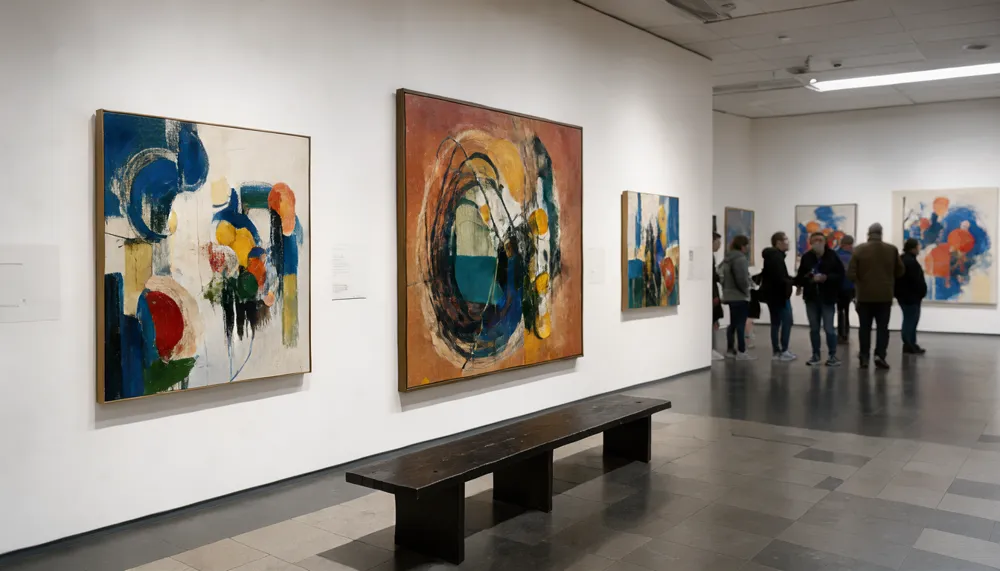
Visiting a local art museum is often seen as a solitary pursuit, a quiet escape from the noise of daily life. However, it can also be a vibrant social experience if you approach it with the right mindset. While many visitors keep to themselves, there are numerous opportunities to connect with others who share your interest in visual culture, history, and design. The key is to balance respect for the contemplative atmosphere of the gallery with the openness required to start a conversation. This guide explores practical ways to engage with fellow visitors, ensuring that your interactions are welcoming, respectful, and enriching for everyone involved.
Understanding the Social Landscape of Museums
Before you attempt to strike up a conversation, it is helpful to understand the unspoken rules of the museum environment. Museums are public spaces, but they are also places of reflection. In many cultures, silence is valued as a sign of respect for the artwork and for other visitors. In others, particularly in more casual or community-focused local museums, a low hum of conversation is common and accepted. Recognizing this distinction is the first step in connecting with others without causing discomfort.
Observe the room before you speak. If the gallery is nearly empty and visitors are standing still, staring intently at a single piece, they are likely in a mode of deep contemplation. Interrupting this state can be jarring. Conversely, if you see people pointing at details, whispering to companions, or moving through the space with a relaxed pace, the atmosphere is more social. In these moments, a friendly nod or a brief comment is often welcomed. Always prioritize the comfort of the person you are approaching; if they do not make eye contact or seem hurried, it is best to let them continue their visit undisturbed.
Starting Conversations with Respect
The most effective way to connect with other visitors is to start with a shared observation about the art itself. This approach is low-pressure and focuses on the subject matter rather than personal details, which can feel intrusive to strangers. You do not need to be an art historian to participate; curiosity is a universal language.
Consider using open-ended questions that invite opinion rather than factual answers. For example:
- "What do you think the artist was trying to convey with this color palette?"
- "Have you seen this artist’s work before?"
- "Does this piece remind you of anything you’ve seen elsewhere?"
- "I’m trying to figure out the scale of this installation; what do you think?"
These questions signal that you value the other person’s perspective. If they respond enthusiastically, you can continue the dialogue. If they give a short answer and turn back to the artwork, accept the cue gracefully. A simple "Thanks, I appreciate your view" allows you to part ways on a positive note. Remember that body language is crucial. Keep your distance respectful, avoid blocking their view of the art, and keep your voice low enough so that only you and the person you are speaking to can hear.
Leveraging Museum Events and Workshops
One of the most natural settings for meeting other visitors is during organized museum events. Many local museums host evening openings, artist talks, guided tours, or educational workshops. These events are designed for interaction, making them ideal environments for socializing. Unlike the general gallery floor, where silence is often the norm, these events encourage dialogue and networking.
When attending a workshop or talk, arrive a few minutes early. This gives you time to settle in and observe who else is present. During breaks or after the session, it is socially acceptable to approach others to discuss what you just heard. You might ask:
- "What was your favorite part of the presentation?"
- "Did you understand the technique the artist described?"
- "Are you a member of the museum, or is this your first time here?"
Guided tours are another excellent opportunity. While the guide is speaking, listen attentively. Afterward, if you have a question that the guide did not address, you might turn to a fellow participant and ask, "Did you catch what they said about the historical context?" This shared experience creates an immediate bond. If you are interested in deeper connections, consider joining the museum’s membership program. Members often have access to exclusive previews and social gatherings, which are structured specifically for meeting like-minded individuals.
Navigating Cultural Differences in Interaction
Since this guide is for a global audience, it is important to acknowledge that customs regarding public interaction vary significantly by country and region. What is considered friendly in one culture may be perceived as intrusive in another. Being culturally aware ensures that your attempts to connect are received positively.
In some Northern European and East Asian contexts, there is a stronger cultural emphasis on personal space and silence in public institutions. Visitors may be less likely to engage with strangers unless there is a clear social cue, such as a group activity or a designated social area. In these settings, it is wise to be more reserved and wait for the other person to initiate contact. A smile and a nod are often sufficient to acknowledge presence without demanding a conversation.
In contrast, in many Latin American, Southern European, and Middle Eastern cultures, public spaces are often more communal. Visitors may be more open to chatting with strangers, especially if the topic is shared interest. However, even in these cultures, the museum remains a place of respect. Always gauge the local vibe. If you are visiting a museum in a country where you are not from, observe how locals interact with each other. If they are quiet, follow their lead. If they are animated and conversational, you can feel more confident in joining the flow. When in doubt, err on the side of politeness and brevity.
Using Digital Tools to Find Community
In the modern era, connecting with other visitors does not always require face-to-face interaction within the gallery walls. Many museums have active online communities, social media groups, and forums where visitors share photos, reviews, and event announcements. Participating in these digital spaces can help you identify other enthusiasts who are likely to be at the museum at the same time.
For instance, if you are planning a visit, check the museum’s official social media channels for upcoming events. You might also find local art groups that meet at the museum. If you are looking for a broader perspective on where people are gathering and what topics are trending in your area, platforms like TodayMap show such posts on a free live map, allowing you to see real-time activity and interests in your vicinity. This can help you plan your visit to coincide with times when the museum is likely to be populated by engaged visitors rather than just casual passersby.
When using digital tools, maintain the same etiquette as you would in person. Be respectful in comments, avoid spoilers if you are discussing specific exhibits, and be mindful of privacy. If you arrange to meet someone you connected with online, choose a public area within the museum, such as the café or the lobby, for your first meeting. This ensures safety and comfort for both parties.
Respecting Boundaries and Reading the Room
The most important skill in connecting with strangers is the ability to read the room and respect boundaries. Not everyone who visits a museum is looking for social interaction. Some people come to decompress, to study, or to escape the demands of their daily lives. Your goal is to enhance their experience, not to disrupt it.
Be attentive to non-verbal cues. If a visitor has headphones on, is reading a guidebook, or is actively sketching, they are likely signaling that they do not wish to be disturbed. In these cases, it is best to admire their focus and move on. If you do start a conversation and notice the other person checking their watch, looking around, or giving one-word answers, politely conclude the interaction. A simple "I’ll let you get back to your visit" is a courteous way to exit the conversation without awkwardness.
Additionally, be mindful of groups. If you see a family with young children or a group of friends laughing together, they are likely focused on their shared experience. Interrupting a tight-knit group can be difficult. It is usually easier to connect with individuals who are alone or with one other person. If you are with a companion, try to keep your own conversation low-key so that you do not become the source of noise that others are trying to avoid.
Conclusion
Connecting with other visitors at a local art museum is a rewarding way to deepen your appreciation of art and build community. By starting with shared observations, participating in organized events, and respecting cultural norms and personal boundaries, you can create meaningful interactions without disrupting the contemplative atmosphere of the gallery. Remember that the goal is not to force a conversation but to offer a friendly opening for those who are also looking to connect. With patience and sensitivity, you can transform a solitary visit into a shared human experience, discovering new perspectives and perhaps even new friends along the way.
 Offering to Shovel Snow for Elderly Neighbors in Winter
 Finding a Pickup Volleyball Partner at the Beach or Park
 Making Friends at Your Local Independent Bookstore
 Steps to Find a Lost Cat in Your Neighborhood Using Local Alerts
 Offering to Help Neighbors Rake Leaves and Clear Gutters
 How to Strike Up Conversations at a Local Brewery Taproom