
Making Friends with Other Dog Owners at the Mobile Grooming Van
November 8, 2026
Introduction
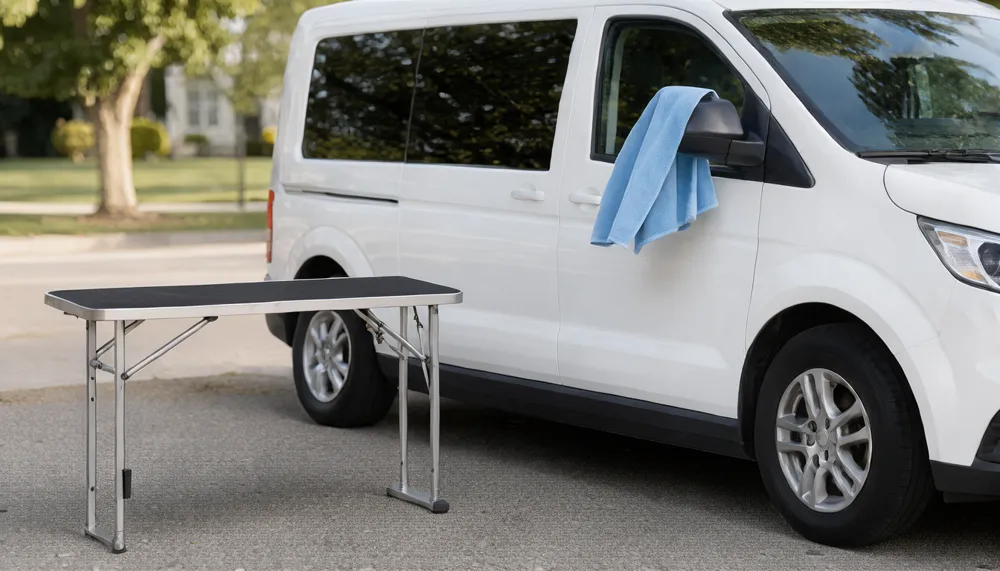
Waiting for your dog to be groomed is a unique social opportunity. Unlike a traditional salon where you drop off your pet and leave, mobile grooming often involves a waiting period in a shared public space, such as a parking lot, a quiet street, or a designated community area. This setting creates a natural environment for conversation. However, turning a brief wait into a genuine connection requires a bit of social awareness and patience. This guide explores how to navigate these interactions respectfully and effectively, keeping in mind that social norms vary significantly across different countries and cultures.
Understanding the Context of the Wait
Before you attempt to strike up a conversation, it is helpful to understand the nature of the environment. Mobile grooming vans are typically parked in areas that are accessible but not necessarily designed for socializing. You might be standing on a sidewalk, sitting in your car, or waiting on a bench nearby. The primary focus for everyone present is the well-being of their dogs. Owners are often anxious about how their pets are handling the grooming process, especially if it is their first time. Recognizing this shared concern is the first step toward building rapport. It shifts the dynamic from strangers standing near each other to a group of people sharing a common experience.
In many urban areas, space is limited. You may find yourself in close proximity to other owners simply due to logistics. This physical closeness does not automatically imply a desire for conversation. Some owners prefer to use the time to check their phones, work on a laptop, or simply enjoy a moment of quiet. Reading the room is essential. Look for open body language, such as someone looking around, smiling at passing dogs, or standing with their arms uncrossed. If an owner is deeply engrossed in a book or wearing headphones, they may not be looking for interaction.
Breaking the Ice with Shared Interests
The most natural way to start a conversation is through the dogs themselves. Dogs are excellent icebreakers because they provide an immediate, neutral topic of discussion. You can comment on the breed, the coat type, or the behavior of the dog currently being groomed. For example, if you see a dog with a particularly fluffy tail, a simple compliment can open the door to a longer chat. Owners are generally proud of their pets and appreciate genuine praise.
However, keep the initial comments light and observational. Avoid asking intrusive questions about the dog’s health or behavior unless the other owner brings it up. Instead, focus on positive attributes. You might ask about the dog’s name or how long they have had them. These questions are low-pressure and allow the other person to share as much or as little as they wish. If the conversation flows well, you can gradually move to broader topics, such as local parks, training tips, or favorite treats. Remember that the goal is to establish a connection, not to interview them.
Navigating Cultural Differences
When writing for a global audience, it is crucial to acknowledge that social etiquette varies by country. In some cultures, such as in parts of North America or Australia, casual small talk with strangers is common and often expected. A brief chat about the weather or the dog’s breed is seen as friendly and polite. In other regions, such as in parts of Northern Europe or East Asia, people may value privacy more highly, and unsolicited conversation with strangers might be viewed as intrusive or unnecessary.
To navigate these differences, observe the local behavior. If you see other owners chatting freely, it is likely safe to join in. If everyone seems to keep to themselves, respect that boundary. A good rule of thumb is to start with a non-verbal greeting, such as a nod or a smile, and see if the other person reciprocates. If they do, you can proceed with a verbal greeting. If they look away or continue what they were doing, politely respect their space. This approach allows you to be friendly without being pushy, adapting to the local social climate.
Using Technology to Connect
In the digital age, technology can facilitate connections that might otherwise be missed. Many dog owners use social media or community apps to share photos of their pets or to find local resources. If you have established a brief, friendly rapport with another owner, you might suggest exchanging contact information or following each other on social media. This can be particularly useful if you live in the same neighborhood and might see each other again at future grooming appointments.
For those looking to expand their network beyond the immediate vicinity, platforms like TodayMap show such posts on a free live map, allowing you to see where other dog owners are gathering or sharing updates. This can be a helpful tool for finding local meetups or events, but it should be used as a supplement to face-to-face interactions, not a replacement. The key is to ensure that any digital connection feels natural and consensual. Do not assume that a brief chat at the van warrants a permanent digital link. Let the relationship develop organically.
Respecting Boundaries and Etiquette
Even in friendly environments, boundaries are essential. Not every interaction will lead to a friendship, and that is perfectly fine. If you sense that the other owner is not interested in continuing the conversation, accept it gracefully. You can simply say, “Well, I’ll let you get back to your day,” and return to your own activities. This shows respect for their time and space, which is often appreciated more than a forced conversation.
Additionally, be mindful of the grooming process itself. If the groomer is working, try to keep noise levels down. Loud conversations can stress the dogs, which is counterproductive to the grooming experience. If you are having a lively discussion, consider moving slightly away from the van or lowering your voice. This consideration demonstrates that you are a responsible dog owner who cares about the comfort of all animals present, not just your own.
Building Long-Term Community
If you find that you have a genuine connection with another owner, consider ways to nurture that relationship. You might suggest meeting up for a walk in a nearby park after the grooming is done. This allows you to spend more time together in a relaxed setting, away from the pressure of the waiting area. Over time, these small interactions can build into a supportive community of dog owners who share tips, recommend services, and look out for each other’s pets.
Another way to build community is to participate in local dog events or meetups. Many neighborhoods have regular gatherings for dog owners, and the connections you make at the grooming van can lead to invitations to these events. By being open and friendly, you contribute to a positive local culture where dog owners support one another. This sense of community can be especially valuable for new dog owners or those who have recently moved to a new area.
Conclusion
Making friends with other dog owners at the mobile grooming van is a rewarding way to enhance your pet care experience. By starting with shared interests, respecting cultural norms, and using technology wisely, you can turn a simple wait into a meaningful connection. Remember to read the room, respect boundaries, and prioritize the comfort of the dogs. With patience and genuine interest, you can build a network of friendly faces and supportive peers who share your love for your canine companions.
 Offering to Shovel Snow for Elderly Neighbors in Winter
 How to Connect with Other Visitors at a Local Art Museum
 Finding a Pickup Volleyball Partner at the Beach or Park
 Making Friends at Your Local Independent Bookstore
 Steps to Find a Lost Cat in Your Neighborhood Using Local Alerts
 Offering to Help Neighbors Rake Leaves and Clear Gutters