
Making Friends with Other Dog Owners at the Local Dog Park
November 14, 2026
Introduction
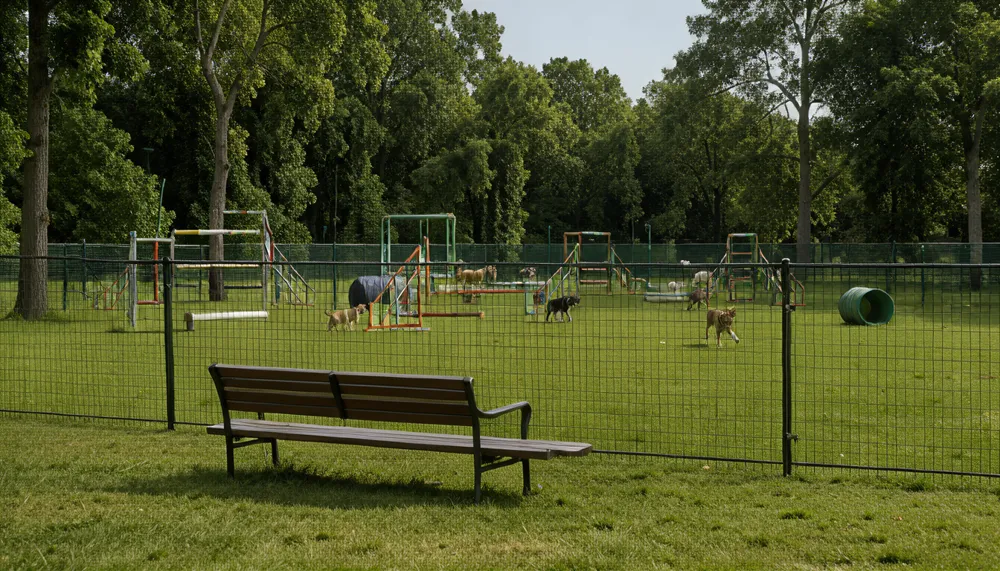
Visiting a local dog park is often seen as a routine chore: you bring your dog, they run around, and you leave. However, for many people, these parks are vibrant community hubs where lasting friendships are formed. The shared love for dogs provides an immediate common ground, making it easier to break the ice than in most other social settings. Yet, turning a casual nod into a genuine friendship requires more than just showing up. It involves understanding park etiquette, reading social cues, and respecting the diverse backgrounds of the people you meet. This guide offers practical advice on how to navigate the social landscape of dog parks, helping you build meaningful connections with other owners while ensuring a positive experience for both you and your canine companion.
Prioritize Safety and Etiquette First
Before you can make friends, you must ensure that the environment is safe and respectful for everyone. Nothing kills a potential friendship faster than a dog that is too rough or an owner who ignores basic rules. Start by assessing your dog’s temperament. If your dog is reactive, shy, or overly energetic, consider visiting during off-peak hours or using the smaller dog section if available. This shows consideration for others and prevents stressful situations that could sour interactions.
Adhere strictly to local leash laws and park rules. In many countries, off-leash areas are designated zones, and entering them with an unvaccinated or unneutered dog may be frowned upon or even prohibited. Always clean up after your dog immediately; carrying extra waste bags is a small gesture that signals you are a responsible and considerate neighbor. When you demonstrate that you respect the space and the other users, you establish yourself as a trustworthy presence. People are more likely to approach and engage with someone who seems reliable and mindful of the community standards.
Read the Room and Respect Boundaries
Dog parks are dynamic social environments, and not every owner is looking for conversation. Some people come to exercise their dogs in silence, while others are eager to chat. Learning to read body language is crucial. If an owner is wearing headphones, looking at their phone, or actively managing their dog’s behavior, they may not be open to interruption. Conversely, if someone is standing still, watching their dog play, and making eye contact, they are likely open to interaction.
When approaching someone, start with a friendly wave or a smile from a distance. If they respond positively, you can move closer. Always ask for permission before petting someone else’s dog. This is a universal courtesy, though the strictness of this rule varies by culture. In some regions, it is considered rude to touch a dog without asking; in others, it is a standard greeting. When in doubt, ask. A simple, “Is it okay if my dog says hello?” is polite and effective. Respecting these boundaries shows that you value their comfort and their dog’s well-being, which lays the foundation for mutual respect.
Start with Dog-Centric Conversations
The easiest way to break the ice is to talk about the dogs. Since you are both there for the same reason, this topic is natural and low-pressure. You can comment on your dog’s behavior, ask about their breed, or share a funny observation about their play style. For example, “Your dog has such great recall!” or “I love how gentle they are with the smaller dogs.” These compliments are genuine and invite a response without demanding too much personal information.
Be mindful of cultural differences in conversation styles. In some countries, small talk is brief and functional, while in others, it is an extended social ritual. If you are new to the area, observe how other regulars interact. Do they stand in groups? Do they keep their distance? Mimicking the local social norms can help you blend in. Avoid controversial topics like politics or religion in early conversations. Stick to light, shared experiences such as favorite treats, training tips, or local vet recommendations. These topics are safe, useful, and often lead to deeper connections over time.
Be a Regular and Build Consistency
Friendships are built on consistency. If you only visit the park once a month, it is difficult to form bonds. Try to visit at the same times and days of the week. This allows you to become a familiar face to the regulars. Over time, you will notice patterns: who brings their dog every morning, who is there on weekends, and who tends to be more social. Recognizing these patterns helps you identify potential friends who share your schedule and interests.
Consistency also allows you to track your dog’s social progress. If your dog is shy, regular visits help them become comfortable with the same group of dogs and people. As your dog becomes more relaxed and friendly, you will naturally have more opportunities to interact with their owners. When you see the same people repeatedly, you can reference past interactions. “How did your dog do with the new toy you mentioned last week?” shows that you were listening and care about their update. This continuity transforms casual acquaintances into acquaintances with history, which is the first step toward friendship.
Navigate Cultural Nuances and Local Customs
While dog parks are universal, the social customs surrounding them vary significantly by country and even by neighborhood. In some cultures, it is common to share food or treats with other dogs and owners as a gesture of goodwill. In others, sharing food might be seen as intrusive or a health risk. Always ask before offering a treat to another dog, and be prepared for a polite refusal. If you are in a multicultural area, be open to different approaches. Some owners may prefer to keep their dogs on leashes even in off-leash zones for safety reasons; respect this choice without judgment.
Language barriers can also play a role. If you are in a country where you do not speak the local language fluently, use simple phrases and gestures. A smile and a point at your dog can go a long way. Many dog owners are patient and willing to communicate through basic words or body language. Additionally, be aware of local holidays or events that might affect park attendance. In some regions, parks are closed on certain religious days or during specific seasons. Checking local community boards or online groups can help you stay informed. TodayMap shows such posts on a free live map, which can be a useful tool for finding out when and where local dog owners are gathering, helping you plan your visits accordingly.
Handle Conflicts Gracefully
Even in the best-managed parks, conflicts can arise. A dog might get too rough, or an owner might be inconsiderate. How you handle these situations defines your reputation in the park. Stay calm and avoid escalating the situation. If your dog is causing trouble, apologize sincerely and take immediate action to correct the behavior. If another dog is bothering yours, speak to the owner politely but firmly. Use “I” statements to express your concerns without sounding accusatory. For example, “I’m a bit worried because my dog is getting overwhelmed,” rather than “Your dog is too aggressive.”
If a conflict cannot be resolved on the spot, it is often best to remove your dog from the situation. Walking away is not a sign of weakness; it is a strategic move to prevent the situation from worsening. Later, if appropriate, you can approach the other owner at a calmer moment to discuss what happened. However, not every conflict requires a follow-up conversation. Sometimes, simply avoiding the problematic pair in future visits is the best solution. Maintaining your composure and prioritizing your dog’s safety will earn you respect from other owners who witness your professionalism.
Expand Your Network Beyond the Park
Once you have established a rapport with a few owners, you can consider expanding your interactions beyond the park. This might involve exchanging contact information for dog-walking buddies or joining local dog-related events. Many communities have dog meetups, training classes, or charity walks that provide additional opportunities to socialize. These settings often allow for deeper conversations because the focus is shared and the environment is structured.
However, take this step gradually. Do not pressure new acquaintances into hanging out outside the park. Let the relationship develop naturally. If you feel a connection, you might suggest a casual coffee after a walk or ask for recommendations for a local pet store. If they are interested, they will engage; if not, respect their space. Remember that the primary goal is to enhance your experience at the park and support your dog’s socialization. Friendships that develop organically from these shared activities are often the most durable and rewarding.
Conclusion
Making friends with other dog owners at the local dog park is a rewarding process that enriches both your life and your dog’s. By prioritizing safety, respecting boundaries, and engaging in dog-centric conversations, you create a welcoming atmosphere for connection. Being a regular visitor helps you build familiarity and trust, while navigating cultural nuances ensures that your interactions are respectful and inclusive. Handling conflicts with grace and expanding your network gradually allows these relationships to grow naturally. Ultimately, the dog park is more than just a place for exercise; it is a community space where shared passions can lead to lasting friendships. Approach each visit with openness, patience, and a genuine interest in the people and dogs around you, and you will find that the bonds you form are as loyal and joyful as the dogs themselves.
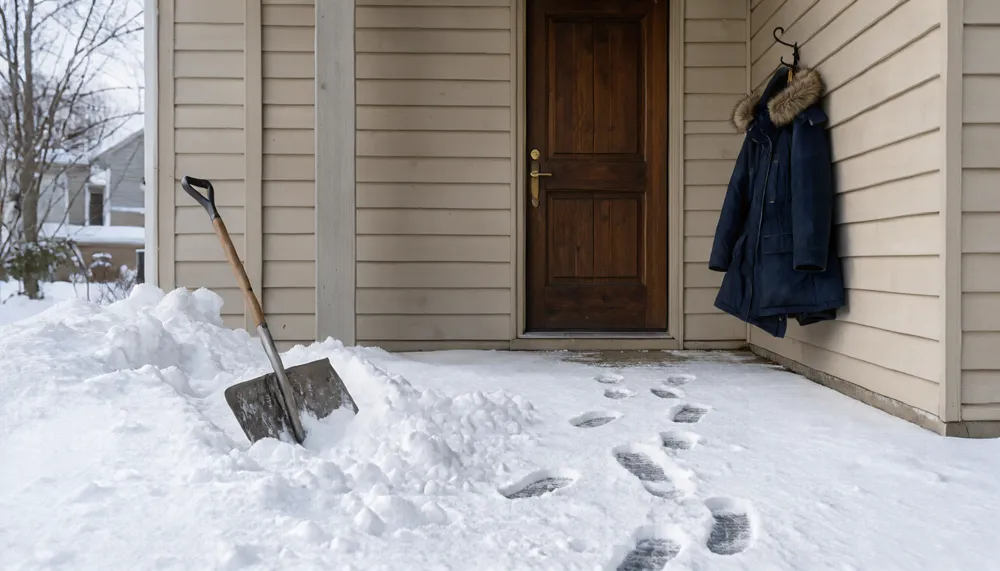 Offering to Shovel Snow for Elderly Neighbors in Winter
 How to Connect with Other Visitors at a Local Art Museum
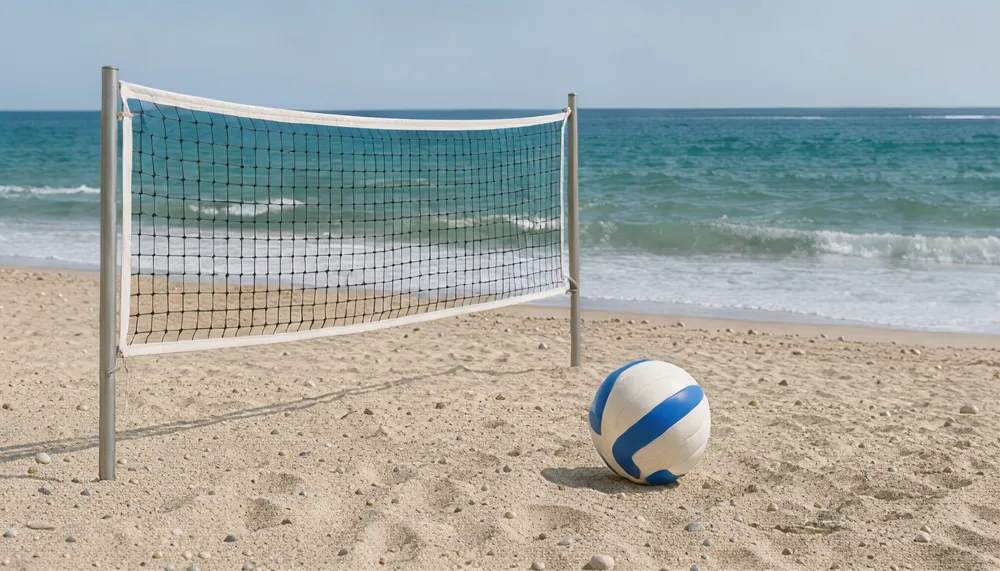 Finding a Pickup Volleyball Partner at the Beach or Park
 Making Friends at Your Local Independent Bookstore
 Steps to Find a Lost Cat in Your Neighborhood Using Local Alerts
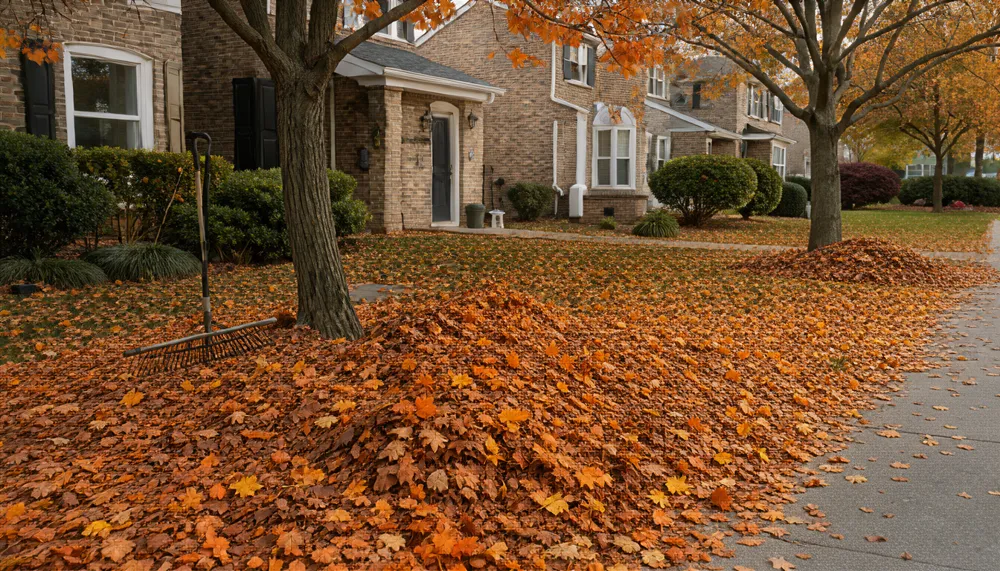 Offering to Help Neighbors Rake Leaves and Clear Gutters