
How to Meet People at Your Local Flea Market
November 10, 2026
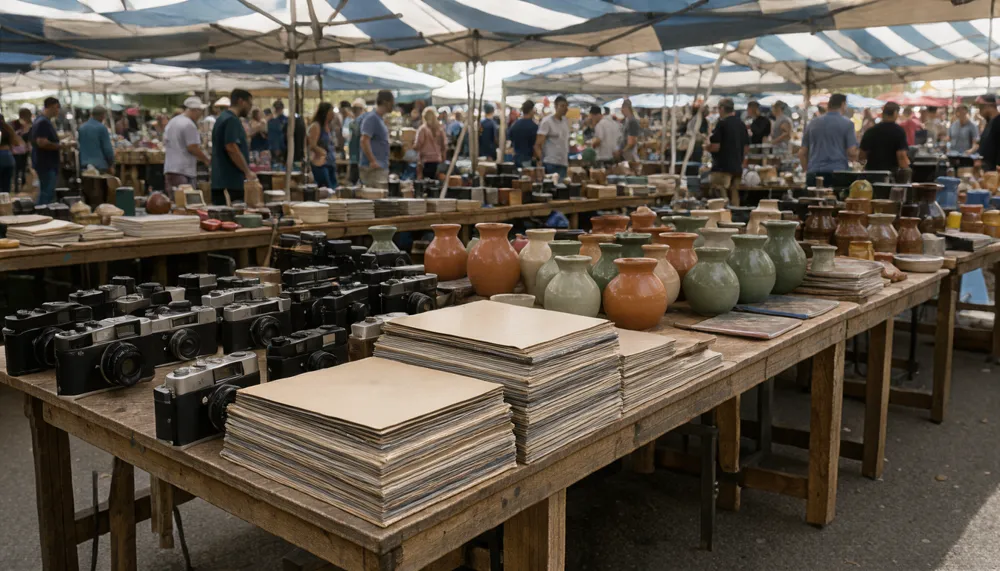
Flea markets are often viewed primarily as places to hunt for bargains, vintage treasures, or unique home decor. However, they are also vibrant community hubs where people from all walks of life converge. While the primary goal for many visitors is shopping, the atmosphere is uniquely conducive to casual social interaction. Unlike large retail stores where customers are often rushed or isolated by self-checkout kiosks, flea markets encourage browsing, pausing, and lingering. This guide explores how to navigate these spaces with a social mindset, helping you connect with vendors and fellow shoppers in a way that feels natural and respectful. Whether you are new to the area or a regular looking to deepen your community ties, understanding the rhythm of the market is the first step toward making meaningful connections.
Understanding the Market Culture
Before you attempt to strike up conversations, it is essential to understand the specific culture of your local flea market. Customs vary significantly by country and even by neighborhood. In some regions, flea markets are strictly commercial spaces where vendors prefer quick transactions and minimal distraction. In others, particularly in parts of Europe and Latin America, the market is a social event where chatting with vendors is expected and appreciated. Observing the environment before engaging is crucial. Watch how other customers interact with sellers. Are they haggling loudly? Are they quietly browsing? Are vendors sitting in chairs, inviting conversation, or standing behind counters, signaling they are busy? Adapting your approach to the local norm ensures that your social attempts are welcomed rather than seen as intrusive.
Arriving at the Right Time
Timing can significantly impact your ability to meet people. If you arrive during the peak rush, usually mid-morning on weekends, vendors are often overwhelmed with transactions, and shoppers are focused on securing the best items before they sell out. In this high-energy environment, long conversations are difficult. Instead, consider arriving during the "shoulder hours." This is typically late morning after the initial rush has subsided or late afternoon as vendors begin to pack up. During these times, the pace slows down. Vendors are more likely to have a moment to chat, and other shoppers are browsing more leisurely. This relaxed atmosphere creates natural openings for conversation. Additionally, if you are interested in meeting other regulars, try to visit on the same day and time each week. Familiarity breeds comfort, and you may start to recognize faces, making it easier to initiate a greeting.
Engaging with Vendors Respectfully
Vendors are the heart of any flea market, and they are often the most accessible people to talk to. However, there is an art to engaging them without disrupting their business. Start with genuine curiosity rather than a demand for attention. Ask open-ended questions about their items. Instead of asking "How much is this?" try asking, "Do you know the history of this piece?" or "Where did you find this collection?" These questions show that you value their expertise and passion. If a vendor is actively serving another customer, wait patiently or browse nearby items until they are free. Do not interrupt a negotiation unless invited. If you are interested in buying, make your intentions clear early on so the vendor knows you are a serious customer, which often makes them more willing to chat. Remember that many vendors are small business owners or hobbyists; they appreciate customers who take the time to appreciate their work.
Connecting with Fellow Shoppers
While vendors are easy to approach, connecting with other shoppers requires a slightly different approach. The key is to find shared interests. If you see someone examining an item you also like, a simple comment can break the ice. For example, "That lamp is beautiful; I’ve been looking for one just like it," is a low-pressure way to start a dialogue. Be mindful of personal space and body language. If the other person gives short answers or turns away, respect their desire to browse alone. If they engage, you can expand the conversation to discuss where they found the item, their style preferences, or recommendations for other stalls. In many cultures, asking for advice is a powerful social lubricant. Asking a fellow shopper, "Do you know if this vendor is open to haggling?" or "Have you seen any good vintage records here?" can lead to a helpful exchange and potentially a new acquaintance. Always keep the interaction light and brief initially, allowing the other person to opt out if they are not interested in chatting.
The Art of Haggling as Social Interaction
Haggling is a staple of flea market culture in many parts of the world, but it is not universal. In countries where bargaining is common, such as many in Asia, the Middle East, and parts of Europe, the negotiation process itself can be a social interaction. It is not just about the price; it is about building a rapport. Approach haggling with a smile and a friendly tone. Treat it as a game rather than a confrontation. If you are respectful and show genuine interest in the item, vendors are often more willing to engage in conversation. Even if you do not reach a deal, a friendly negotiation can leave a positive impression. In regions where fixed prices are the norm, such as many parts of North America and Northern Europe, attempting to haggle can be seen as rude. In these contexts, focus on complimenting the item or asking about its origin instead. Always research local norms beforehand to avoid awkwardness. If you are unsure, a polite question like, "Is this your best price?" is a safer way to test the waters than an aggressive lowball offer.
Safety and Etiquette Considerations
Meeting new people in public spaces requires a basic level of caution and etiquette. Always meet in the open, busy areas of the market. Avoid following someone to a secluded corner or a separate location unless you have established a clear, safe context for the meeting. Keep your personal belongings secure, as crowded markets can be targets for pickpockets. When conversing, be mindful of topics. Stick to neutral subjects like the items for sale, the market itself, or general interests. Avoid controversial topics like politics or religion unless the other person clearly initiates them. Respect boundaries; if someone seems hesitant to share personal information, do not press them. It is also wise to let a friend or family member know where you are and who you are talking to, especially if you plan to stay for a long time. Trust your instincts; if a conversation feels uncomfortable, it is perfectly acceptable to politely excuse yourself and move on.
Leveraging Digital Tools for Community
In the modern era, digital tools can complement your in-person efforts. Many flea markets have online communities, social media groups, or dedicated apps where regulars share tips, post about rare finds, and organize meetups. Joining these groups can help you identify other enthusiasts in your area. You might find that a group of collectors meets at a specific stall on Sunday mornings, for instance. Platforms like TodayMap can be useful for discovering such community-driven events or posts related to local markets, helping you find like-minded individuals who are already interested in the same niche. However, use these tools as a supplement to, not a replacement for, face-to-face interaction. The goal is to use online information to enhance your real-world experience, not to isolate yourself behind a screen while at the market. Check for any scheduled events, such as swap meets or collector meetups, which are specifically designed for socializing and trading.
Conclusion
Meeting people at your local flea market is less about forcing interactions and more about creating opportunities for them to happen naturally. By respecting the local culture, timing your visits wisely, and engaging with genuine curiosity, you can transform a solitary shopping trip into a social experience. Whether you are chatting with a vendor about the provenance of a vintage watch or sharing a tip with a fellow shopper about a hidden gem, these small interactions build a sense of community. Remember to be patient, respectful, and observant. Over time, you may find that your local flea market becomes not just a place to buy things, but a place to belong. Start with small, friendly gestures, and let the connections grow organically from there.
 Offering to Shovel Snow for Elderly Neighbors in Winter
 How to Connect with Other Visitors at a Local Art Museum
 Finding a Pickup Volleyball Partner at the Beach or Park
 Making Friends at Your Local Independent Bookstore
 Steps to Find a Lost Cat in Your Neighborhood Using Local Alerts
 Offering to Help Neighbors Rake Leaves and Clear Gutters