
How to Meet People at Your Local Arcade
November 12, 2026
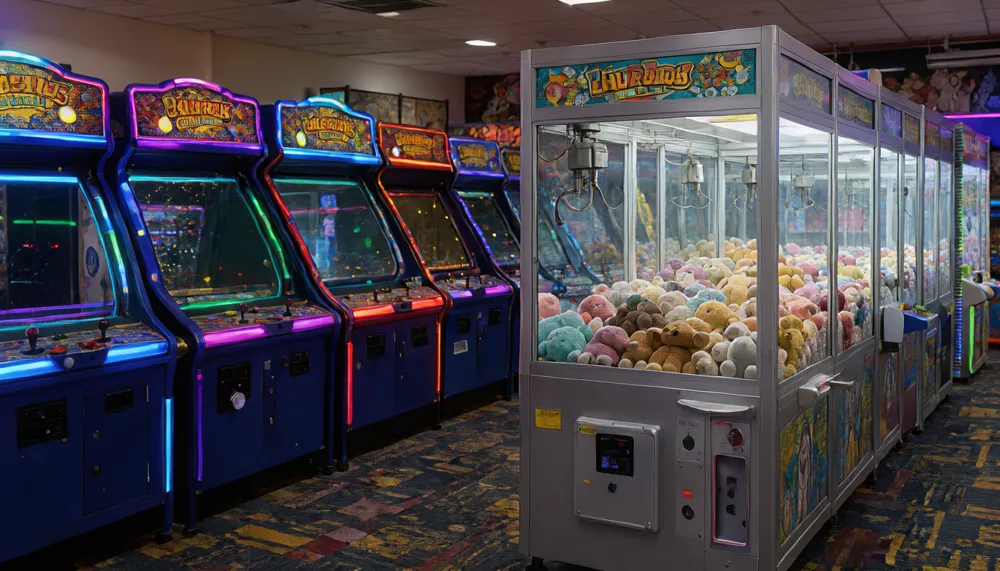
Arcades have long served as vibrant community hubs where people gather to play, compete, and connect. While the golden age of the arcade may have passed in some regions, the culture remains strong in many parts of the world, evolving from standalone entertainment centers to hybrid spaces featuring bars, cafes, and esports arenas. For many, the arcade is not just about high scores; it is a social venue where friendships are forged over shared interests in gaming, music, and competition. However, walking into a room full of strangers can be intimidating. This guide provides practical strategies for meeting people at your local arcade, respecting local customs, and becoming a valued member of the gaming community.
Understand the Local Arcade Culture
Before you attempt to strike up conversations, it is essential to understand the specific culture of your local arcade. Customs vary significantly by country and even by neighborhood. In Japan, arcades are often bustling, multi-story buildings where players may stand for hours, and social interaction is frequently mediated through the games themselves rather than direct conversation. In contrast, Western arcades, particularly those in the United States and Europe, often function as social lounges where players sit on stools, drink beverages, and chat openly between rounds.
Observe the environment before diving in. Is the crowd focused on competitive fighting games? Are they playing rhythm games with headphones on? Are they socializing around the claw machines? Understanding the primary activity helps you tailor your approach. In some regions, it is considered polite to wait until a player has finished their current game before speaking. In others, casual banter during a game is welcomed. Take a few minutes to watch how regulars interact with each other and with newcomers. This observation period prevents awkward interruptions and helps you blend in naturally.
Choose Games That Encourage Interaction
Not all arcade games are created equal when it comes to socializing. If your goal is to meet people, avoid games that isolate you, such as single-player racing simulators with noise-canceling headphones or complex strategy games that require intense concentration. Instead, focus on games that are inherently social or competitive.
- Fighting Games: These are the heart of arcade social life. Even if you are a beginner, playing a fighting game invites others to watch, offer tips, or challenge you. The competitive nature creates an immediate topic of conversation.
- Rhythm Games: Games like dance pads or drum kits often attract crowds who cheer for skilled players. Standing near these machines can lead to conversations about music preferences and skill levels.
- Cooperative Shooters: Games that require two or more players to work together are excellent icebreakers. You can ask if anyone wants to join your team for the next round.
- Classic Cabinet Games: Pac-Man, Street Fighter II, or Tetris often have a nostalgic appeal that draws in older players and families, creating a relaxed atmosphere for chatting.
By selecting games that have a visible audience or require multiple participants, you increase your chances of natural interaction. Avoid monopolizing a machine for hours without acknowledging those waiting in line, as this can create a negative impression.
Master the Art of the Queue
The line for a popular game is one of the best places to start a conversation. When you are waiting for a turn, you are already sharing an experience with the people around you. Use this time to engage in light, low-stakes conversation. Ask the person ahead of you how they are doing, comment on the difficulty of the current round, or ask for advice on a specific move.
Be mindful of personal space and body language. If someone has their eyes closed, is wearing large headphones, or is deeply focused on their phone, they may not be interested in chatting. However, if they make eye contact or smile, it is a green light to speak. In many cultures, a simple nod or a smile is sufficient to acknowledge others in the queue. If you are new to the game, it is perfectly acceptable to ask the person currently playing for a quick tip. Most gamers enjoy sharing their knowledge and will appreciate the opportunity to help a newcomer.
Respect the Unwritten Rules of Etiquette
Every arcade has its own set of unwritten rules. Violating these can quickly label you as an outsider or a nuisance. While these rules vary by location, some universal principles apply. First, always respect the turn order. If someone is playing, do not hover too closely or interrupt them unless they invite you to. Second, be mindful of your volume. Arcades are loud, but shouting over the game sounds can be disruptive. Speak at a conversational volume and save loud celebrations for moments when the game is paused or finished.
Another key aspect of etiquette is handling losses and wins gracefully. If you lose a match, congratulate your opponent. If you win, do not gloat excessively. Humility goes a long way in building rapport. Additionally, be careful with your belongings. Do not leave bags or drinks in the way of other players or on the machine itself. In some countries, it is customary to buy a round of drinks or snacks for the group you are playing with, while in others, everyone pays for themselves. Observe what the regulars do and follow their lead.
Engage with the Community Events
Many arcades host regular events such as tournaments, meetups, or themed nights. These are prime opportunities to meet people who share your interests. Check the arcade’s social media pages or bulletin boards for schedules. Attending a tournament, even as a spectator, allows you to meet organizers and participants. If you are brave enough to enter, you will automatically be part of a group of competitors, making conversation easier.
If there are no official events, consider starting your own. Invite a few people you have met to play a specific game at a set time. Consistency is key. If you visit the arcade at the same time each week, you will start to recognize faces and build familiarity. Regulars are more likely to welcome someone who is a consistent presence than someone who appears sporadically. Over time, you may find yourself invited to join a local gaming group or a Discord server associated with the arcade.
Be Approachable and Authentic
Ultimately, meeting people is about being approachable. Smile, make eye contact, and be open to conversation. Do not try to be someone you are not. If you are shy, start with small interactions like asking for a tip or complimenting a player’s technique. If you are outgoing, dive into the competitive spirit of the games. Authenticity attracts people who share your energy and interests.
Remember that rejection is part of the process. Not everyone will want to chat, and that is okay. Do not take it personally. Some people are there solely to play and may not be in a social mood. Respect their boundaries and move on. The goal is to find a few people who click with you, not to be friends with everyone in the room.
For those looking to discover local gaming events or find other players in their area, platforms like TodayMap show such posts on a free live map, helping you locate where the action is happening nearby. This can be a useful tool for finding active communities without having to wander aimlessly.
Conclusion
Meeting people at your local arcade requires a blend of observation, respect, and initiative. By understanding the local culture, choosing social games, respecting queue etiquette, and engaging with community events, you can transform the arcade from a place of solitary play into a vibrant social hub. Be patient, be authentic, and remember that every regular was once a newcomer. With time and consistent effort, you will find your place in the arcade community and make lasting connections over shared gaming experiences.
 Offering to Shovel Snow for Elderly Neighbors in Winter
 How to Connect with Other Visitors at a Local Art Museum
 Finding a Pickup Volleyball Partner at the Beach or Park
 Making Friends at Your Local Independent Bookstore
 Steps to Find a Lost Cat in Your Neighborhood Using Local Alerts
 Offering to Help Neighbors Rake Leaves and Clear Gutters