
Helping Neighbors with Gardening and Plant Swaps
November 11, 2026
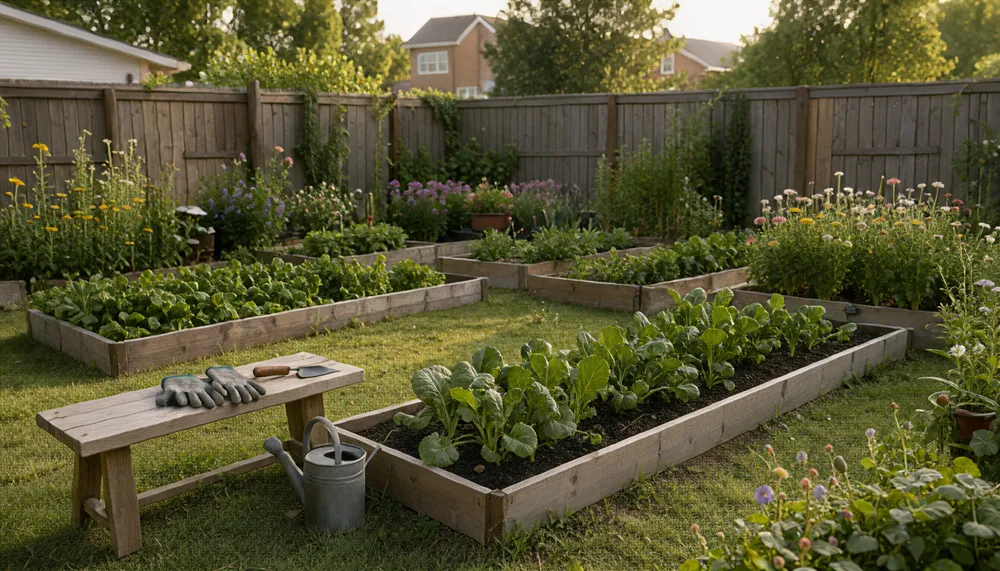
Gardening is often a solitary pursuit, but it thrives on community. Whether you have a surplus of tomato seedlings, a neighbor who needs help pruning a high hedge, or simply want to share knowledge about local soil conditions, connecting with those living nearby can enrich your green space and your social circle. This guide outlines how to approach helping neighbors with gardening tasks and organizing plant swaps in a way that is respectful, safe, and enjoyable for everyone involved. While the core principles of horticulture are universal, remember that customs regarding neighborly interactions, property boundaries, and informal exchanges differ significantly by country and culture. Always observe local norms before initiating contact.
Starting the Conversation
Before you offer help or propose a swap, the first step is establishing a friendly rapport. In many cultures, an abrupt offer of labor or goods can be seen as intrusive or presumptuous. Start with a casual greeting and a compliment about their garden. If you notice a specific plant they are struggling with, you might share a brief, non-intrusive tip rather than immediately offering to do the work for them. This allows the neighbor to gauge your expertise and intent without feeling obligated.
When you are ready to make a more formal offer, be specific and low-pressure. Instead of saying, "Let me know if you need anything," try, "I have some extra lavender cuttings if you’d like them," or "I’m heading out to prune my roses this weekend; if you’d like me to take a look at yours while I’m at it, just let me know." This gives them an easy out if they prefer to manage their own space. In some regions, it is customary to bring a small token of appreciation, such as a jar of homemade jam or a packet of seeds, when initiating a new neighborly exchange. This gesture signals goodwill and respects the social contract of reciprocity.
Organizing a Plant Swap
Plant swaps are a wonderful way to diversify your garden without spending money, but they require organization to be successful. You can organize a small, informal swap among a few interested neighbors, or participate in a larger community event. If you are hosting a swap at your home, choose a time that is convenient for most people, such as a Saturday morning. Provide clear instructions on what to bring: healthy plants, clean pots, and labels if possible.
It is helpful to categorize plants by type—such as perennials, annuals, herbs, or vegetables—to make browsing easier. Encourage participants to bring plants that are well-established rather than fragile seedlings, as these are more likely to survive the move. If you are using a digital platform to coordinate, you might find that TodayMap shows such posts on a free live map, allowing you to see who in your immediate vicinity is looking to trade. This visibility can help you connect with people who are genuinely nearby, reducing the hassle of long-distance pickups.
Safety and Hygiene Practices
When moving plants between properties, hygiene is critical to prevent the spread of pests and diseases. Always inspect plants before accepting them. Look for signs of aphids, spider mites, fungal spots, or root rot. If you are unsure about the health of a plant, it is better to leave it behind than to risk infecting your own garden. Quarantine new plants for a week or two before introducing them to your main garden beds. This isolation period allows you to monitor for any delayed symptoms of disease or pest infestation.
When helping a neighbor with physical gardening tasks, safety should be your priority. Wear appropriate clothing, including gloves and closed-toe shoes. If you are using tools, ensure they are clean and sharp. Dull tools can crush stems and spread disease, while sharp tools require careful handling. If you are working at height, such as pruning a tree, ensure you have a stable ladder and, if possible, a spotter. Never attempt a task that feels beyond your physical capability or skill level; it is better to admit limitations than to cause injury or damage to the property.
Respecting Boundaries and Property
One of the most important aspects of neighborly gardening help is respecting boundaries. This includes both physical boundaries, such as fences and property lines, and personal boundaries. Always ask for permission before entering a garden space, even if the gate is open. If you are helping with a task that involves moving heavy objects or digging, confirm exactly what the neighbor wants done. Misunderstandings about the scope of work can lead to frustration.
In some countries, there are strict laws regarding what can be grown near property lines, particularly trees and large shrubs. Before planting anything near a boundary, check local regulations. For example, some areas require trees to be planted a certain distance from the property line to prevent root damage to neighboring foundations. Additionally, be mindful of sun exposure. If you are planting a tall shrub, consider how it will affect your neighbor’s access to sunlight. A quick conversation about these details can prevent future disputes.
Sharing Knowledge and Resources
Gardening is a continuous learning process, and sharing knowledge is as valuable as sharing plants. Create a simple guide for your neighbors that includes information about your local climate zone, soil type, and common pests. This can be as simple as a printed sheet or a shared digital document. If you have expertise in a specific area, such as composting or native plant gardening, offer to host a short workshop or a Q&A session in your backyard.
Consider creating a shared resource library for tools and supplies. If you have a wheelbarrow, a tiller, or a large quantity of mulch that you only use once a year, offer to lend it to neighbors. In return, ask them to return it clean and in good condition. This system of mutual aid builds trust and reduces the need for everyone to purchase expensive equipment they rarely use. Be clear about lending terms, such as how long items can be borrowed and who is responsible for repairs if something breaks.
Navigating Cultural Differences
As mentioned earlier, customs vary widely. In some cultures, it is polite to refuse an offer of help once or twice before accepting, as a way of showing humility. In others, directness is appreciated. Observe how your neighbors interact with each other and mirror their communication style. If you are new to the area, ask long-term residents for advice on local etiquette. They can provide invaluable insights into what is considered polite or rude in your specific community.
Food and plant exchanges can also have cultural significance. In some regions, certain plants are considered auspicious or unlucky. For example, in some Asian cultures, giving potted plants with roots intact can symbolize being "stuck" in a situation, so cuttings might be preferred. In other cultures, specific flowers are associated with funerals or celebrations. Doing a little research or asking your neighbor about their preferences can ensure your gift is well-received. When in doubt, choose neutral, universally appreciated plants like herbs or common flowering perennials.
Conclusion
Helping neighbors with gardening and organizing plant swaps is a rewarding way to build community and enhance your local environment. By starting with friendly conversations, prioritizing safety and hygiene, respecting boundaries, and being mindful of cultural differences, you can create positive and lasting connections. Remember that the goal is not just to exchange plants or labor, but to foster a sense of shared stewardship over your neighborhood’s green spaces. Start small, be consistent, and let the relationships grow naturally alongside your gardens.
 Offering to Shovel Snow for Elderly Neighbors in Winter
 How to Connect with Other Visitors at a Local Art Museum
 Finding a Pickup Volleyball Partner at the Beach or Park
 Making Friends at Your Local Independent Bookstore
 Steps to Find a Lost Cat in Your Neighborhood Using Local Alerts
 Offering to Help Neighbors Rake Leaves and Clear Gutters