
Finding a Soccer Partner for Pickup Games at the Park
November 10, 2026
Introduction
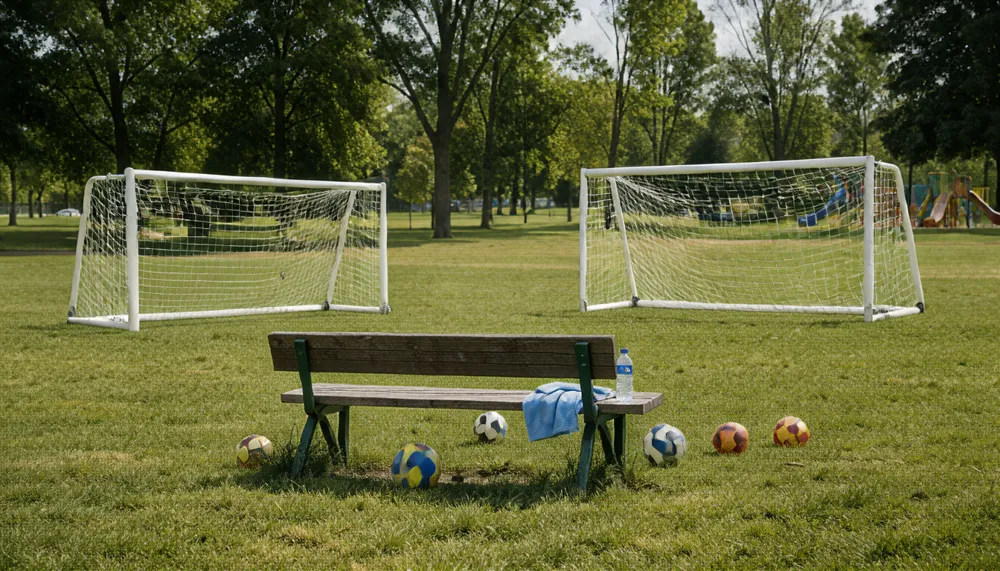
Playing soccer at a local park is one of the most accessible ways to stay active, meet new people, and enjoy the sport without the commitment of a formal league. However, the spontaneity that makes pickup games appealing can also make them unpredictable. You might arrive at the pitch only to find it empty, or you might join a group that is too competitive, too casual, or simply not looking for new players. The key to a consistent and enjoyable experience lies in finding reliable partners who share your schedule, skill level, and expectations.
This guide is designed to help you navigate the process of finding soccer partners for pickup games. Whether you are new to a city or looking to refresh your local network, these steps will help you connect with players who are as eager to play as you are. While the core principles of soccer are universal, remember that customs vary by country. In some regions, pickup games are highly organized with strict rules, while in others, they are entirely informal. Adapting to local norms is essential for a smooth integration into any new group.
Define Your Preferences and Availability
Before you begin searching for partners, you need to have a clear understanding of what you are looking for. Pickup soccer is not a monolith; it varies significantly based on intensity, format, and location. Start by defining your ideal game. Do you prefer a high-intensity 5v5 match on a small turf field, or a relaxed 11v11 game on a large grass pitch? Are you looking for a competitive environment where every pass matters, or a social gathering where the primary goal is exercise and conversation?
Next, establish your availability. Consistency is the most valuable trait in a pickup partner. If you can only play on Tuesday evenings, you need to find a group that meets at that time. If your schedule is flexible, you have more options, but you must still be reliable. Write down your preferred days, times, and locations. This clarity will save you time when reaching out to potential groups and help you avoid joining games that do not fit your lifestyle.
- Skill Level: Be honest about your ability. Are you a beginner looking to learn, an intermediate player seeking steady play, or an advanced player wanting a challenge?
- Game Format: Decide if you prefer small-sided games (3v3, 5v5) or full-field matches.
- Location: Identify parks within a reasonable travel distance. Proximity often determines whether you will stick with a group long-term.
- Intensity: Determine if you want a workout-focused session or a casual kickabout.
Leverage Local Digital Communities
In the modern era, digital platforms are the most efficient way to find pickup soccer partners. Most cities have active online communities dedicated to local sports. Start by searching for local Facebook groups, Reddit communities, or dedicated sports apps specific to your region. Use keywords like "pickup soccer," "football," or "soccer" combined with your city or neighborhood name. These platforms often have pinned posts or regular threads where players announce upcoming games.
When browsing these posts, pay attention to the details provided. A well-organized post will list the time, location, number of players needed, and the expected skill level. If the post is vague, do not hesitate to ask clarifying questions in the comments. This also serves as a test of the group’s responsiveness. If no one replies to your question, the group may be inactive or disorganized.
For those who prefer a more visual and immediate approach, location-based tools can be helpful. For instance, TodayMap shows such posts on a free live map, allowing you to see where games are being organized in real-time. This can be particularly useful in large cities where multiple games might be happening simultaneously in different parks. It helps you identify which areas have active communities and which are quiet, allowing you to plan your week accordingly.
Visit the Park and Observe the Culture
While online searches are efficient, nothing replaces the value of showing up in person. Visiting the park during typical game times allows you to observe the culture of the local players. Arrive early, bring your gear, and watch the games in progress. Look for signs of inclusivity. Are players welcoming to newcomers? Is there a system for rotating teams, or do cliques dominate the pitch? Are the games fair, or do they favor certain players?
Observation is also a safety measure. Check the condition of the field. Is it well-maintained, or are there hazards like broken glass or uneven ground? Is the area well-lit if you plan to play in the evening? Is there a sense of community, or does it feel isolated? Trust your instincts. If the environment feels hostile or unsafe, it is better to look for another park than to force your way into a group that does not want you.
- Arrive Early: Give yourself time to stretch and observe before joining in.
- Bring Your Own Gear: Having your own ball, cones, and water shows you are prepared and serious about playing.
- Respect the Space: Do not interrupt a game in progress. Wait for a break or a natural pause to introduce yourself.
- Note the Demographics: Some parks cater to specific age groups or cultural communities. Ensure you feel comfortable with the general vibe.
Make the First Connection
Once you have identified a group that seems welcoming, the next step is to introduce yourself. This can be the most intimidating part of the process, but it is usually met with enthusiasm. Approach the players during a break or after a game. Keep your introduction brief and friendly. State your name, mention that you are looking for regular pickup games, and ask if they are open to adding another player.
Be prepared for different reactions. In some countries, particularly in parts of Europe and South America, pickup soccer is deeply ingrained in the local culture, and players are accustomed to newcomers. In other regions, groups may be more closed-off, consisting of long-time friends. If you are turned down, do not take it personally. It may simply be that the teams are full, or the group prefers to stick with their usual circle. Thank them for their time and ask if they know of other groups nearby.
When you do get to play, focus on being a good teammate rather than a star player. Communicate clearly, call for the ball, and pass to open players. Avoid hogging the ball or criticizing others’ mistakes. Your goal in the first few games is to demonstrate that you are reliable, respectful, and fun to play with. Consistency in behavior is more important than individual skill in building trust.
Establish Routine and Reliability
After your first few games, the goal is to transition from a casual visitor to a regular member of the group. This requires reliability. If you say you will be there at 7:00 PM, be there at 7:00 PM. If you need to cancel, notify the group as soon as possible. In many pickup communities, players rely on each other to form balanced teams. A last-minute no-show can disrupt the entire session and damage your reputation.
Consider creating a simple communication channel if one does not exist. This could be a WhatsApp group, a Telegram channel, or a shared calendar. This allows players to confirm attendance, share updates about field closures, and organize post-game social activities. However, respect the existing structure. If the group already has a preferred method of communication, use that instead of imposing a new one.
- Confirm Attendance: Reply to game announcements promptly.
- Be Punctual: Arrive on time to help set up and warm up.
- Share Costs: If the group pays for field rental or equipment, contribute fairly and on time.
- Follow Up: If you miss a game, send a quick message to the organizer to maintain the connection.
Navigate Cultural Differences and Etiquette
Soccer is a global sport, but the etiquette surrounding pickup games varies significantly by country and culture. In some places, such as Brazil or Argentina, the style of play is often more individualistic and creative, with a high tolerance for flair. In others, like Germany or Japan, there may be a stronger emphasis on tactical discipline and collective movement. Understanding these nuances can help you adapt your play style and avoid misunderstandings.
Language can also be a barrier. Even if you speak the local language, soccer terminology may differ. Learn the basic terms used in your area for positions, fouls, and game commands. If there is a language barrier, use hand signals and universal soccer gestures. A smile and a willingness to communicate non-verbally go a long way in bridging gaps.
Additionally, be mindful of local customs regarding gender, age, and social hierarchy. In some regions, mixed-gender games are common and encouraged, while in others, they may be less frequent. In certain cultures, older players may expect a higher level of respect or deference. Observe how the group interacts and mirror their level of formality. If you are unsure, it is always safe to err on the side of politeness and humility.
Conclusion
Finding a soccer partner for pickup games at the park is a process that combines digital research with real-world engagement. By defining your preferences, leveraging local online communities, and observing the culture of your chosen park, you can identify groups that align with your goals. The key to success lies in reliability and respect. Show up on time, play fairly, and communicate openly. Over time, you will build a network of partners who value your presence and commitment.
Remember that every community is different. What works in one park may not work in another. Be patient, stay flexible, and keep an open mind. With persistence and a positive attitude, you will find your place on the pitch and enjoy the camaraderie that makes pickup soccer so rewarding. Whether you are playing for fitness, fun, or friendship, the right partners are out there waiting for you to join the game.
 Offering to Shovel Snow for Elderly Neighbors in Winter
 How to Connect with Other Visitors at a Local Art Museum
 Finding a Pickup Volleyball Partner at the Beach or Park
 Making Friends at Your Local Independent Bookstore
 Steps to Find a Lost Cat in Your Neighborhood Using Local Alerts
 Offering to Help Neighbors Rake Leaves and Clear Gutters