
Finding a Reliable Pickup Basketball Partner at the Community Court
November 14, 2026
Introduction
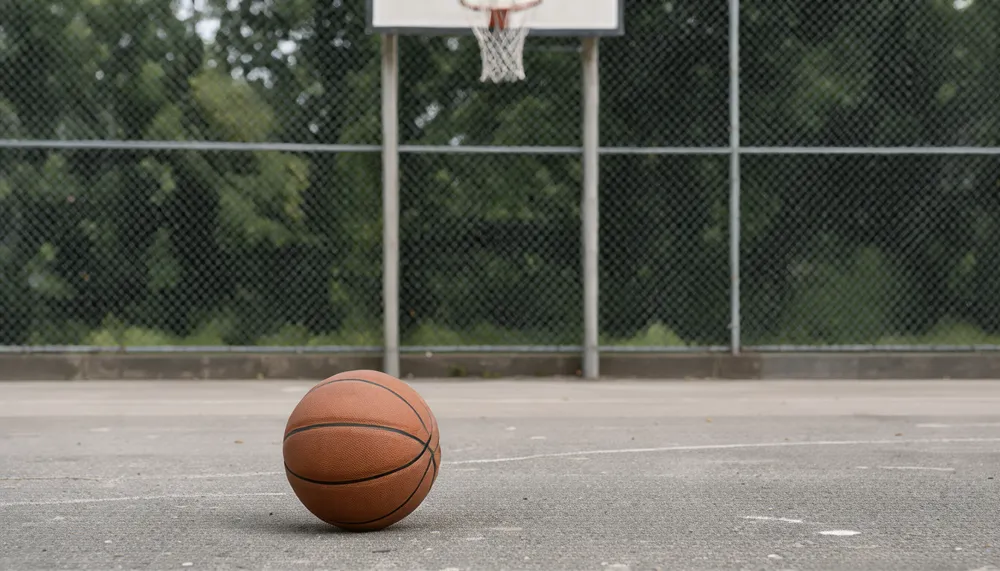
Pickup basketball is one of the most accessible ways to stay active, improve your skills, and build community connections. Unlike organized leagues, pickup games are informal, flexible, and often free. However, the biggest challenge for many players is not finding a court, but finding a reliable partner. You might show up to a local community court only to find it empty, or worse, filled with players who are inconsistent, overly competitive, or simply not interested in a balanced game. Finding a regular partner requires more than just showing up; it requires strategy, social awareness, and clear communication. This guide will help you navigate the social dynamics of local courts, establish trust with potential partners, and build a consistent playing schedule that works for your lifestyle.
Understanding the Local Court Culture
Before you can find a partner, you must understand the unwritten rules of the specific court you intend to use. Basketball culture varies significantly by region and country. In some urban centers in the United States, for example, pickup games are highly competitive, with strict "winner stays" rules and a focus on individual skill. In contrast, community courts in parts of Europe or Asia may prioritize social interaction and mixed-skill levels, where the goal is exercise and camaraderie rather than dominance.
To find a compatible partner, observe the court before you play. Spend a few sessions just watching or playing casually without expecting a long-term commitment. Pay attention to the following:
- Game Format: Are they playing 3-on-3, 4-on-4, or full court? Do they use a "make it, take it" rule or rotate teams every few minutes?
- Skill Level: Is the group highly skilled, or is it a recreational mix? A beginner looking for a serious training partner will struggle in a casual group, and vice versa.
- Social Vibe: Is the group loud and energetic, or quiet and focused? Do they greet newcomers warmly, or do they keep to themselves?
Understanding these nuances helps you identify players who share your expectations. If you prefer a relaxed game but join a hyper-competitive group, you will likely lose interest quickly, and they may not want you as a regular partner.
The Importance of Consistency and Punctuality
Reliability is the currency of pickup basketball. Because games are informal, there are no contracts or fees to hold players accountable. Therefore, your reputation is built entirely on your behavior. If you want a partner who shows up when you do, you must demonstrate that you are someone who can be counted on.
Punctuality is the first step. If you agree to meet at 6:00 PM, arrive at 5:55 PM. Being late disrupts the flow of the game and signals to others that their time is less valuable than yours. In many cultures, being late is considered disrespectful, while in others, it is more tolerated. Regardless of local customs, arriving early shows respect and eagerness.
Consistency is equally important. Try to play at the same time and on the same days each week. This routine helps you become a familiar face at the court. Players are more likely to invite someone they see regularly than a stranger who appears sporadically. If you miss a session, communicate this in advance if possible. A simple message saying, "I can't make it tonight, but I'll be there next Tuesday," maintains the connection and shows that you value the partnership.
Initiating Contact and Building Rapport
Approaching strangers can be intimidating, but basketball provides a natural icebreaker. You do not need to force a conversation; let the game do the work. Start by playing in open games where anyone can join. Focus on being a good teammate rather than the star player. Make good passes, play defense, and encourage others. Positive body language and sportsmanship go a long way in making you approachable.
Once you have played with someone a few times, you can initiate a more direct conversation. Keep it low-pressure and casual. Instead of asking, "Do you want to be my regular partner?" which can feel like a heavy commitment, try suggesting a specific, low-stakes activity. For example:
- "I’m trying to improve my free throws. Would you like to shoot around for 20 minutes before the main game starts?"
- "I’m looking to play more consistently. Are you usually here on Thursday evenings?"
- "I’m new to this court. Do you know if there are any regular groups that play at this time?"
These questions open the door for further interaction without demanding an immediate answer. If they respond positively, exchange contact information. In many countries, exchanging phone numbers is common, while in others, social media handles or local community app profiles are preferred. Respect their preference and do not push for more information than they are willing to share.
Setting Clear Expectations
Once you have identified a potential partner, it is crucial to set clear expectations to avoid misunderstandings. Ambiguity is the enemy of consistency. You do not need a formal contract, but a brief verbal agreement on the basics can prevent friction later.
Discuss the following points early on:
- Time and Duration: Agree on a start time and how long you plan to play. Is it a 30-minute warm-up or a two-hour session?
- Intensity Level: Are you looking for a casual shoot-around, a competitive one-on-one, or a full-team scrimmage? Mismatched intensity levels are a common reason partnerships dissolve.
- Equipment: Who brings the ball? Who brings water? If you are sharing a court with others, are you okay with rotating in and out of games, or do you prefer to play exclusively with each other?
- Backup Plans: What happens if it rains? What if one of you is sick? Agreeing on a cancellation policy, such as giving two hours' notice, helps maintain respect for each other's time.
Remember that customs differ by country. In some places, it is polite to bring a small gift or buy a drink for your partner occasionally, while in others, this might be seen as unnecessary. Observe what is normal in your local context and adapt accordingly.
Navigating Safety and Etiquette
Safety is a practical concern when meeting new people for physical activity. While most community courts are safe, it is wise to take basic precautions. Play in well-lit areas, preferably during daylight hours or in courts with good lighting if playing at night. If possible, play in courts that have other people around, such as near a park or community center, rather than isolated courts.
Etiquette also plays a role in safety and comfort. Respect personal space and avoid overly aggressive physical play unless you know your partner is comfortable with it. If you are playing with someone of a different gender or background, be mindful of cultural norms regarding physical contact and conversation topics. Keep the conversation focused on basketball and general interests unless your partner opens up to more personal topics.
Additionally, be aware of local rules regarding court usage. Some courts have time limits or require reservations. Ignoring these rules can lead to conflicts with other players or authorities, which can strain your partnership. Always check for posted signs and ask regulars if you are unsure about the rules.
Using Digital Tools to Find Partners
In today’s connected world, digital tools can complement your in-person efforts. Many communities have local apps or websites where people post about sports activities. These platforms can help you find partners who are looking for the same type of game you are.
For instance, TodayMap shows such posts on a free live map, allowing you to see who is looking for players in your immediate area. This can be particularly useful if you are new to a city or neighborhood and do not yet know the regulars. When using these tools, be clear about your expectations in your post. Mention your skill level, preferred game style, and availability. This helps filter out incompatible matches and attracts players who are genuinely interested in a similar experience.
However, do not rely solely on digital tools. The best partnerships are often formed through face-to-face interaction. Use online platforms to make initial contact, but prioritize meeting in person at the court to gauge chemistry and reliability.
Conclusion
Finding a reliable pickup basketball partner at the community court is a process that requires patience, consistency, and social intelligence. By understanding the local court culture, demonstrating reliability through punctuality and regular attendance, and initiating contact with low-pressure conversations, you can build strong connections with fellow players. Setting clear expectations and respecting safety and etiquette norms ensures that the partnership remains positive and sustainable. Whether you use digital tools to find initial leads or rely on traditional court-side interactions, the key is to be a good teammate and a respectful community member. With time and effort, you will find partners who share your passion for the game and help you enjoy the benefits of regular, social basketball.
 Offering to Shovel Snow for Elderly Neighbors in Winter
 How to Connect with Other Visitors at a Local Art Museum
 Finding a Pickup Volleyball Partner at the Beach or Park
 Making Friends at Your Local Independent Bookstore
 Steps to Find a Lost Cat in Your Neighborhood Using Local Alerts
 Offering to Help Neighbors Rake Leaves and Clear Gutters