
Finding a Puppy Playmate at the Local Dog Park
November 12, 2026
Introduction
Bringing a new puppy home is an exciting milestone, but it also brings the responsibility of socialization. While many owners dream of their dog making lifelong friends at the local park, the reality can be more complex. A dog park is a high-energy environment filled with dogs of various sizes, breeds, and temperaments. For a young puppy, this can be overwhelming or even dangerous if not approached with care. The goal is not just to let the puppy run free, but to facilitate positive, controlled interactions that build confidence rather than fear. This guide outlines how to prepare your puppy, how to assess the park environment, and how to manage interactions to ensure a safe and enjoyable experience for everyone involved.
Preparing Your Puppy Before You Go
Before you even leave the house, there are several steps to take to ensure your puppy is ready for the park. First and foremost, consult your veterinarian regarding vaccination status. Puppies are vulnerable to contagious diseases such as parvovirus and distemper, which can linger in soil and on surfaces. While some vets may clear a puppy for socialization after their initial series of shots, others may recommend waiting until the full course is complete. Always follow your vet’s specific advice, as local disease prevalence varies by region.
Beyond health, consider your puppy’s temperament and energy level. Is your puppy shy, bold, or reactive? A timid puppy might be better served by one-on-one playdates with known, gentle dogs before facing the chaos of a public park. If you decide to visit the park, ensure your puppy is wearing a secure, well-fitted collar or harness with an ID tag. A flat collar is often safer than a harness for park visits because it reduces the risk of other dogs grabbing onto straps or buckles. Avoid retractable leashes, as they can cause tangles and injuries in crowded spaces.
Assessing the Park Environment
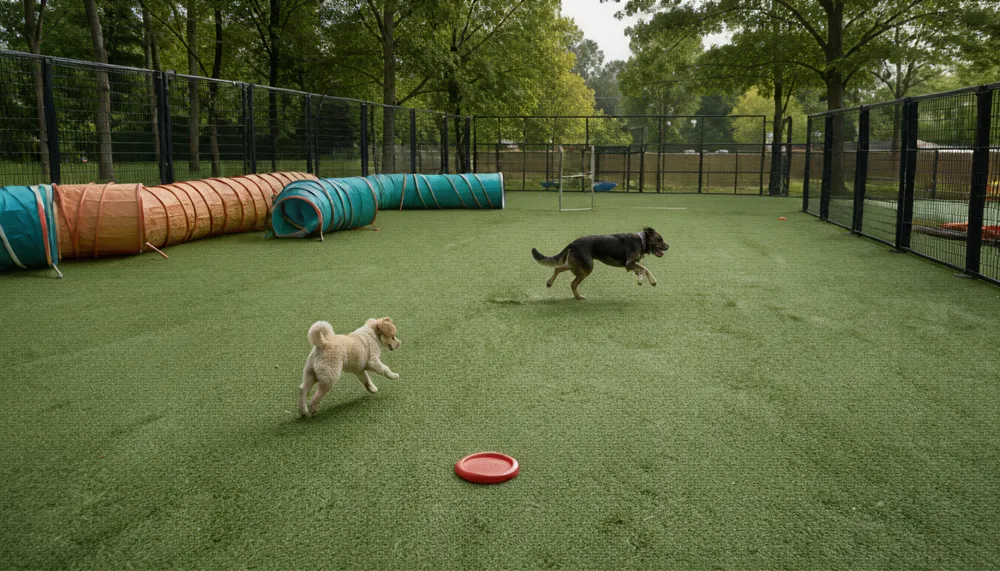
Not all dog parks are created equal, and the atmosphere can change drastically depending on the time of day and the day of the week. It is wise to visit the park when it is empty or lightly populated first. Walk around the perimeter to check for hazards such as broken fencing, sharp objects, or toxic plants. Look for separate areas for small and large dogs if available; these are invaluable for puppies, who can be easily injured by larger, boisterous dogs.
Observe the culture of the park. In some countries, dog parks are strictly regulated with designated hours for different sizes or ages. In others, the environment is more relaxed, and owners may be less attentive. Pay attention to the owners. Are they watching their dogs, or are they on their phones? Are they intervening when play gets too rough? A park with engaged owners is generally safer than one where dogs are left to self-regulate without supervision. If the park feels chaotic or aggressive, it is perfectly acceptable to leave and try again at a different time or location.
Reading Canine Body Language
Understanding dog body language is the most critical skill for a puppy owner at the park. Dogs communicate constantly through posture, tail movement, ear position, and facial expressions. Learning to distinguish between playful excitement and stress or aggression can prevent incidents before they escalate.
- Play Bow: A classic sign of invitation to play. The front legs are lowered, and the rear is up. This is usually a positive signal.
- Hard Stare: If a dog is staring directly at your puppy with a stiff body and closed mouth, this is a warning sign. Intervene immediately by calling your puppy away.
- Tail Position: A high, stiff tail can indicate arousal or aggression, while a tucked tail suggests fear. A loose, wagging tail is generally a good sign.
- Freezing: If your puppy suddenly stops moving and becomes rigid, they are likely stressed or unsure. This is a cue to remove them from the situation.
Remember that puppies are still learning these signals. They may misinterpret rough play as aggression or fail to recognize when they are being bullied. Your role is to be the interpreter and the protector.
Initiating and Managing Play
When you enter the park, keep your puppy on a short leash initially. Allow them to sniff the ground and observe the other dogs from a distance. Do not rush into the center of the park. If you see a dog that appears calm and friendly, you can ask the owner if it is okay for your puppy to approach. Always ask before letting dogs interact, as some owners may have dogs that are not dog-friendly or are in heat.
Once play begins, monitor the interaction closely. Healthy play involves role reversal, where one dog chases and then the other chases. If one dog is constantly chasing the other, or if the smaller dog is pinned down and unable to escape, the play has become unbalanced. Intervene by calmly calling your puppy back or stepping between the dogs. Use a cheerful, high-pitched voice to keep the mood light. If the other dog does not respect your puppy’s space, it is better to end the session early than to let your puppy become overwhelmed.
Navigating Local Customs and Etiquette
Dog park etiquette varies significantly by country and even by neighborhood. In some regions, it is customary to bring treats to share, while in others, feeding another person’s dog is considered a major faux pas. Research local norms before your first visit. In many European countries, for example, off-leash areas are strictly enforced, and owners are expected to have excellent recall commands. In contrast, some parks in North America may be more lenient, though this is changing as liability concerns grow.
Be mindful of cultural attitudes toward dog ownership. In some places, dogs are allowed in cafes and shops, and park visits are a social event for humans as well. In others, the park is strictly for exercise. If you are new to the area, observe how other owners interact. Do they greet each other? Do they clean up after their dogs immediately? Following the lead of regulars can help you integrate smoothly into the community. If you are unsure about a specific rule, such as whether puppies are allowed in the main area, ask a park attendant or a regular owner politely.
When to Leave and What to Do Next
Knowing when to leave is just as important as knowing when to enter. If your puppy shows signs of stress, such as panting excessively, hiding behind you, or refusing to play, it is time to go. Do not force them to stay. A positive experience is better than a long, stressful one. Similarly, if the park becomes too crowded or the energy level rises too high, it is wise to exit before any incidents occur.
After the visit, reward your puppy for calm behavior. If they were well-behaved and socialized well, offer a favorite treat or a quiet cuddle. This reinforces the idea that the park is a positive place. If the visit was difficult, do not give up. Try again in a few days, perhaps at a quieter time or with a different dog friend. Socialization is a marathon, not a sprint. Consistency and patience are key.
Conclusion
Finding a playmate for your puppy at the local dog park is a rewarding process that requires preparation, observation, and adaptability. By ensuring your puppy is healthy, understanding canine body language, and respecting local customs, you can create safe and positive social experiences. Remember that every puppy is different, and what works for one may not work for another. If the public park proves too challenging, consider alternative socialization methods such as puppy classes or arranged playdates with known dogs. The ultimate goal is to raise a confident, well-adjusted dog who enjoys the company of others. With careful management, the dog park can become a cherished part of your puppy’s routine, fostering friendships that last a lifetime. For those looking to connect with other local owners or find nearby parks, platforms like TodayMap show such posts on a free live map, helping you discover community resources in your area.
 Offering to Shovel Snow for Elderly Neighbors in Winter
 How to Connect with Other Visitors at a Local Art Museum
 Finding a Pickup Volleyball Partner at the Beach or Park
 Making Friends at Your Local Independent Bookstore
 Steps to Find a Lost Cat in Your Neighborhood Using Local Alerts
 Offering to Help Neighbors Rake Leaves and Clear Gutters