
Finding a Horse Boarding Partner to Share Stabling Costs
November 8, 2026
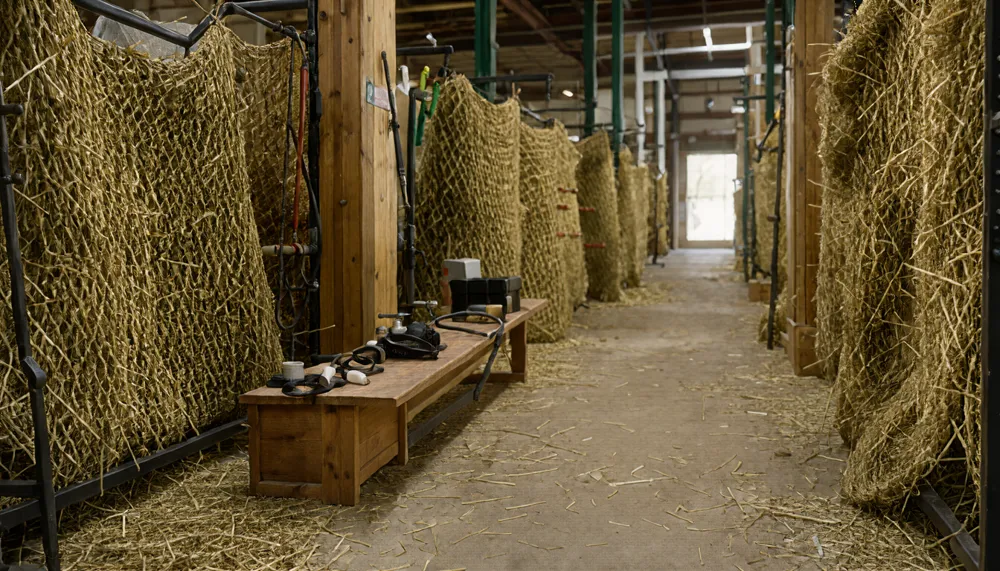
Sharing the cost of horse boarding is a popular strategy for equestrians looking to manage their budget without compromising on the quality of care their animal receives. Whether you are a weekend rider, a competitive athlete, or a hobbyist, the financial burden of full-board facilities can be significant. By partnering with another owner, you can split expenses such as feed, bedding, and facility fees, making high-quality stabling more accessible. However, this arrangement requires more than just a handshake; it demands clear communication, mutual trust, and a solid understanding of the responsibilities involved. This guide outlines the essential steps to finding a suitable partner and establishing a successful co-boarding arrangement, keeping in mind that customs and regulations may vary by country.
Assessing Your Needs and Budget
Before you begin searching for a partner, you must clearly define what you need from a boarding situation and what you can afford. Not all boarding arrangements are created equal, and your specific requirements will dictate the type of partner you should seek. Start by listing your non-negotiables regarding the horse’s daily routine, turnout time, and feeding schedule. If you require daily riding access, you need a partner who is equally committed to the horse’s exercise regimen. Conversely, if you only visit on weekends, you need a partner who is comfortable managing the horse’s daily care during the week.
Financially, determine your maximum monthly contribution. Be realistic about what you can sustain long-term, as unexpected veterinary bills or farrier costs can arise. Decide how you will split these variable costs. Will you split them 50/50, or will the split be proportional to the amount of time each person spends with the horse? Clarifying these details early prevents resentment later. Remember that in some countries, tax implications for shared ownership or expense splitting may differ, so it is wise to consult a local accountant if the financial stakes are high.
Where to Look for Potential Partners
Finding a compatible partner requires looking in the right places. Start with your immediate network. Fellow riders at your current barn, members of your local riding club, or participants in equestrian events are often the best candidates because you already have some insight into their riding style and reliability. Personal referrals carry weight because you can verify their reputation through mutual acquaintances.
Online platforms dedicated to equestrian communities are another valuable resource. Many regional horse forums and social media groups have specific sections for "boarding shares" or "horse partnerships." When posting or responding to ads, be transparent about your expectations. Include details about your horse’s temperament, your availability, and your budget. For those who prefer a visual approach to finding local opportunities, platforms like TodayMap show such posts on a free live map, allowing you to see potential partners in your geographic area without needing to navigate complex search filters. This can be particularly useful in rural areas where barns are scattered and local knowledge is key.
Vetting the Candidate
Once you have identified potential partners, the vetting process begins. This stage is critical to ensure compatibility and reliability. Meet in person, preferably at a neutral location or at the barn where the horse is currently kept. Observe how they interact with the horse. Do they handle the animal with confidence and kindness? Are they punctual for the meeting? These small details often reflect how they will manage the horse’s daily care.
Ask specific questions about their experience and availability. How many horses have they cared for previously? What is their riding frequency? Do they have other commitments that might affect their ability to visit the barn? It is also helpful to ask for references from previous boarding partners or barn managers. A reliable partner should be willing to provide contact information for people who can vouch for their reliability and financial responsibility. Trust your instincts; if something feels off, it is better to continue your search than to enter a partnership that may become burdensome.
Drafting a Written Agreement
While a verbal agreement may seem sufficient among friends, a written contract protects both parties. This document does not need to be legally complex, but it should clearly outline the terms of the arrangement. Key elements to include are the division of costs, the schedule for visits and care, and the protocol for emergencies. Specify who is responsible for purchasing feed, arranging farrier services, and scheduling veterinary appointments. Clarify how decisions will be made regarding the horse’s health and training.
Include a clause for dispute resolution. If disagreements arise, how will they be resolved? Will you seek mediation, or is there a pre-agreed method for splitting costs if one party wants to exit the arrangement? Define the notice period required if either party wishes to terminate the partnership. This prevents sudden disruptions that could leave the horse without adequate care or financial support. Having a written agreement ensures that both parties are on the same page and provides a reference point if memories or interpretations differ.
Managing Daily Care and Communication
Successful co-boarding relies on consistent communication and shared responsibility. Establish a routine for updating each other on the horse’s condition. This could be a shared digital logbook, a group chat, or regular phone calls. Share information about the horse’s behavior, appetite, and any minor health issues promptly. Early detection of problems is easier when multiple people are observing the horse regularly.
Be flexible but firm about schedules. If you agree to care for the horse on Tuesdays and Thursdays, ensure you are there to do so. If you need to swap days, communicate this well in advance. Respect each other’s time and space at the barn. Avoid monopolizing the horse’s time or the barn’s facilities. A good partner understands that the horse is a shared responsibility and acts with consideration for the other owner’s schedule and preferences. Regular check-ins help maintain a positive relationship and ensure that the horse’s needs are consistently met.
Handling Emergencies and Veterinary Decisions
One of the most challenging aspects of shared ownership is making quick decisions during emergencies. Agree in advance on a protocol for veterinary care. Who has the authority to authorize emergency treatment? What is the financial cap for immediate care before both parties must be consulted? It is wise to have a pre-approved list of veterinarians and a plan for who will transport the horse to the clinic if necessary.
Consider creating a joint emergency fund. This fund can cover unexpected veterinary bills, ensuring that financial constraints do not delay necessary treatment. Agree on how much each party contributes monthly to this fund and how it will be managed. Transparency in financial matters builds trust and reduces stress during critical moments. Remember that veterinary customs vary by country; in some regions, owners have more direct control over treatment decisions, while in others, barn managers or veterinarians may have more autonomy. Understand the local norms and legal expectations to avoid conflicts.
Conclusion
Finding a horse boarding partner to share stabling costs is a practical solution for many equestrians, but it requires careful planning and ongoing effort. By assessing your needs, vetting candidates thoroughly, drafting a clear agreement, and maintaining open communication, you can create a successful partnership that benefits both you and your horse. Remember that the goal is to provide the best possible care for the animal while managing costs effectively. Approach the process with patience and diligence, and you will be well on your way to a rewarding and financially sustainable boarding arrangement.
 Offering to Shovel Snow for Elderly Neighbors in Winter
 How to Connect with Other Visitors at a Local Art Museum
 Finding a Pickup Volleyball Partner at the Beach or Park
 Making Friends at Your Local Independent Bookstore
 Steps to Find a Lost Cat in Your Neighborhood Using Local Alerts
 Offering to Help Neighbors Rake Leaves and Clear Gutters