
Finding a Gentle Walking Buddy for Senior Dogs in Your Neighborhood
November 13, 2026
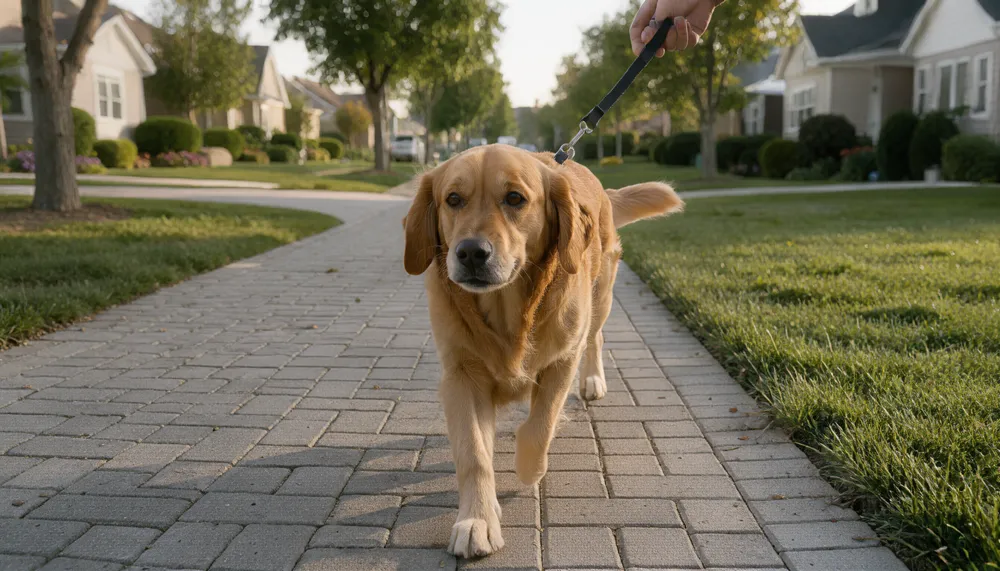
As dogs age, their needs change significantly. While a young puppy might thrive on high-energy play and long, vigorous hikes, a senior dog often prefers shorter, slower-paced walks that allow them to sniff, explore, and socialize without physical strain. Finding a suitable walking buddy for an older dog requires a different approach than finding a playmate for a juvenile. It is less about matching energy levels and more about matching temperament, pace, and health considerations. This guide explores how to locate compatible walking partners in your neighborhood, ensuring that your senior dog remains active, mentally stimulated, and socially engaged while staying safe and comfortable.
Understanding the Needs of Senior Dogs
Before you begin your search, it is essential to understand what makes a good walking companion for an older dog. Senior dogs often have arthritis, reduced stamina, or sensory decline. They may not tolerate rough play or sudden bursts of speed. Therefore, the ideal walking buddy is not necessarily another senior dog, but rather a dog with a calm demeanor and a willingness to move at a slower pace.
Consider the following traits when evaluating potential partners:
- Low Prey Drive: Dogs that chase squirrels or other animals can stress out a senior dog who cannot keep up or react quickly.
- Soft Mouth and Gentle Play: If the dogs will interact off-leash in a secure area, ensure the other dog plays gently and does not jump on or bowl over the older dog.
- Tolerance for Sniffing: Senior dogs often enjoy sniffing as a primary form of exercise. A good buddy will be patient and willing to stop frequently.
- Health Compatibility: Ensure that the other dog is up to date on vaccinations and free from contagious conditions, as older immune systems can be more vulnerable.
Leveraging Local Community Resources
The most effective way to find a walking buddy is to tap into existing community networks. Start with the places where you already walk your dog. Regularly visiting the same park or trail at the same time increases the likelihood of meeting other dog owners with similar routines.
Talk to Your Vet and Groomer Veterinarians and groomers often know which clients have well-behaved, calm dogs. They can provide recommendations for owners who are looking for walking partners. Since these professionals see the dogs regularly, they can offer insights into temperament that you might not see during a brief encounter.
Neighborhood Apps and Social Media Many neighborhoods have dedicated social media groups or community apps where residents post about lost pets, local events, and pet services. These platforms are excellent for finding walking buddies. When posting, be specific about your dog’s age, health limitations, and preferred walking style. For example, you might write: "Looking for a calm walking partner for my 12-year-old Labrador who prefers slow strolls and sniffing."
Local Dog Parks with Separate Areas If your local dog park has a separate section for small dogs or senior dogs, this is a natural place to meet compatible owners. Even if there is no designated senior area, observe which dogs tend to hang out together calmly. Approach those owners and ask if they would be interested in a regular walking arrangement.
The Importance of a Trial Walk
Once you have identified a potential match, do not commit to a regular schedule immediately. Arrange a trial walk to see how the two dogs interact. This initial meeting should be on neutral ground, such as a quiet street or a less busy park, to avoid territorial behavior.
During the trial walk, observe the following:
- Pace Compatibility: Does the other dog wait for your senior dog, or do they constantly pull ahead? A good buddy will adjust their speed to match the slower dog.
- Body Language: Watch for signs of stress in your senior dog, such as lip licking, yawning, or trying to hide behind you. If the other dog is overly boisterous, it may be too much for your pet.
- Owner Communication: Are the owners easy to talk to? Do they respect boundaries? A good walking buddy relationship relies on clear communication between humans as well as dogs.
If the trial walk goes well, consider scheduling a second and third meeting before establishing a regular routine. This allows both dogs to become familiar with each other in a low-pressure environment.
Safety and Health Considerations
Safety is paramount when walking senior dogs. Older dogs may have hidden health issues that can be exacerbated by overexertion or stress. Before agreeing to walk with another dog, discuss health concerns openly with the other owner.
Discuss Medical Conditions If your dog has arthritis, heart conditions, or vision loss, let the other owner know. This information helps them understand why your dog might move slowly or need frequent breaks. It also allows them to assess whether their dog’s energy level is appropriate for your pet.
Leash Etiquette Decide in advance whether the dogs will be on-leash or off-leash. For senior dogs, on-leash walks are often safer, especially in areas with traffic or wildlife. If you plan to walk off-leash, ensure both dogs have reliable recall and that the area is secure. Always carry a spare leash and harness in case one breaks or the dogs need to be separated quickly.
Weather Awareness Senior dogs are more sensitive to temperature extremes. In hot weather, walk early in the morning or late in the evening to avoid pavement heat. In cold weather, consider coats or booties for your dog. Agree on a plan for what to do if the weather turns bad, such as rescheduling or switching to a shorter indoor activity.
Navigating Cultural Differences in Dog Walking
If you live in a diverse neighborhood or are moving to a new country, be aware that dog walking customs can vary significantly. In some cultures, it is common to walk dogs off-leash in public spaces, while in others, strict leash laws are enforced. In some regions, dogs are not allowed in parks or cafes, while in others, they are welcome everywhere.
Research Local Norms Take time to observe how other dog owners in your area behave. Are they using leashes? Are they picking up waste? Are they allowing their dogs to greet each other? Adapting to local customs helps you blend in and makes other owners more comfortable interacting with you.
Respect Boundaries In some cultures, people may be less comfortable with dogs approaching them or their children. Always ask for permission before letting your dog greet someone. This is especially important with senior dogs, who may be less predictable in their reactions. Being polite and respectful of local norms will help you build trust with other dog owners.
Building a Long-Term Walking Routine
Once you have found a compatible walking buddy, the goal is to establish a consistent routine. Regularity helps both dogs feel secure and allows the owners to build a supportive relationship.
Set a Consistent Schedule Choose a time of day that works for both dogs and owners. Morning walks are often best for senior dogs, as they are more alert and less likely to be tired from the day. Stick to the schedule as much as possible, but be flexible if one dog is having a bad day.
Keep Walks Short and Positive For senior dogs, quality is more important than quantity. A 15-20 minute walk that includes plenty of sniffing and gentle interaction is better than a long, strenuous hike. End the walk on a positive note, with a treat or a favorite toy, so both dogs look forward to the next outing.
Communicate Regularly Check in with the other owner periodically. Ask how their dog is doing and share any changes in your dog’s health or behavior. This open line of communication ensures that the walking arrangement remains beneficial for both pets.
Conclusion
Finding a gentle walking buddy for a senior dog is a rewarding process that enhances the quality of life for both the dog and the owner. By understanding your dog’s specific needs, leveraging local community resources, and prioritizing safety and compatibility, you can create a supportive walking routine that keeps your older companion active and happy. Remember to be patient during the matching process, respect local customs, and maintain open communication with other owners. With a little effort, you can find a perfect partner for your senior dog’s daily adventures.
For those looking to expand their search beyond immediate neighbors, platforms like TodayMap show such posts on a free live map, allowing you to see nearby walking opportunities and connect with other dog owners in your area.
 Offering to Shovel Snow for Elderly Neighbors in Winter
 How to Connect with Other Visitors at a Local Art Museum
 Finding a Pickup Volleyball Partner at the Beach or Park
 Making Friends at Your Local Independent Bookstore
 Steps to Find a Lost Cat in Your Neighborhood Using Local Alerts
 Offering to Help Neighbors Rake Leaves and Clear Gutters