
Connecting with Other Pet Owners in the Vet Clinic Waiting Room
November 14, 2026
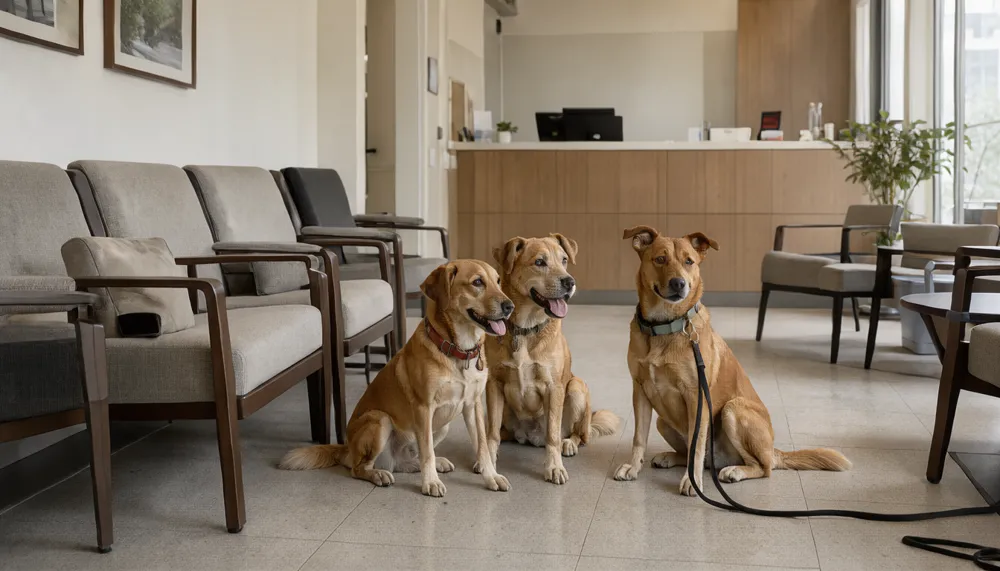
The veterinary clinic waiting room is a unique social space. It is filled with people who share a specific, immediate concern: the health and well-being of their animals. While many visitors are focused on their own pets, the shared context creates a natural opportunity for brief, friendly interactions. However, because everyone is there for a medical appointment, these interactions require a delicate balance of warmth and respect for personal space. This guide outlines how to navigate these moments with courtesy, ensuring that any connection feels natural rather than intrusive.
Reading the Room and the Pet
Before attempting to start a conversation, take a moment to assess the environment. Not every waiting room is conducive to socializing, and not every pet owner is in the mood to chat. The first step is to read the non-verbal cues of both the people and the animals around you.
- Observe the pets: If a dog is tucked under a chair, wearing a muzzle, or visibly shaking, the owner is likely focused on keeping the animal calm. Approaching in this scenario can add stress. Conversely, if a dog is wagging its tail and looking around curiously, the owner may be more open to interaction.
- Check the humans: Look for open body language. If someone is wearing headphones, reading a book, or staring intently at their phone, they are signaling a desire for privacy. If they are looking around the room or making eye contact, they may be open to a brief exchange.
- Consider the reason for the visit: If the atmosphere is heavy with worry, such as during a long wait for an emergency case, it is best to keep interactions minimal. A simple nod is often enough.
The Art of the Low-Pressure Icebreaker
When you decide to engage, keep your opening remarks light and low-pressure. The goal is to offer a friendly gesture, not to demand a conversation. If the other person does not respond enthusiastically, accept it gracefully and return to your own space.
- Compliment the pet: This is the most universal and safe opener. A simple "What a beautiful coat" or "He looks so calm" is usually well-received. Avoid commenting on the pet’s health unless the owner brings it up.
- Ask about the breed: If you are unsure of the breed, asking "Is that a mix?" or "What breed is she?" is a natural way to start. Most owners enjoy talking about their pets’ personalities or histories.
- Share a relevant observation: If you are both waiting for the same doctor or nurse, a shared glance or a comment about the wait time can create a sense of camaraderie. Keep it brief and positive.
Respecting Boundaries and Cultural Norms
Pet ownership customs vary significantly by country and region, which influences how people interact in public spaces. Being aware of these differences helps you avoid awkwardness and shows respect for local norms.
- North America and Australia: In many parts of the United States, Canada, and Australia, casual small talk with strangers is common. A brief chat about pets is often welcomed, provided it does not interrupt the other person’s focus.
- Europe: In many European countries, privacy is highly valued. People may be more reserved in waiting rooms. It is advisable to keep interactions very brief and to wait for the other person to initiate further conversation if they are interested.
- Asia: In some Asian countries, direct eye contact or prolonged conversation with strangers may be considered intrusive. A polite nod or a slight bow is often sufficient. If you do speak, keep your voice low and your questions simple.
- Middle East and Latin America: Social interactions can be warmer and more expressive in these regions. However, always gauge the individual’s comfort level, as urban centers may differ from rural areas.
Regardless of location, always ask permission before petting someone else’s animal. A simple "May I say hello to your dog?" gives the owner control over the interaction.
Topics to Avoid
While the waiting room is a place of shared experience, certain topics can quickly turn a friendly exchange into an uncomfortable one. The key is to keep the conversation light and focused on the present moment.
- Medical details: Unless the other owner volunteers information, avoid asking about the specific illness, surgery, or cost of treatment. These are private matters, and the owner may not wish to discuss them with a stranger.
- Unsolicited advice: Even if you have experience with a similar condition, resist the urge to offer medical advice. It can come across as presumptuous or critical of the veterinarian’s care.
- Personal finances: Avoid discussing the cost of vet bills or insurance unless the other person brings it up. Money is a sensitive topic in many cultures.
- Judgmental comments: Refrain from commenting on the pet’s behavior negatively (e.g., "Your dog is so loud") or positively in a way that implies comparison (e.g., "My dog would never do that").
Using Digital Tools to Extend the Connection
If you have a pleasant interaction and both parties seem interested in continuing the conversation, digital tools can help maintain the connection without the pressure of exchanging personal contact information immediately. This is particularly useful for finding local pet communities or sharing resources.
- Social media: If you are comfortable, you might ask if they are on a local pet owner’s group on social media. Many cities have active online communities where owners share tips, recommend vets, and organize meetups.
- Community maps: For those interested in finding nearby pet-friendly spots or connecting with other owners in their area, platforms like TodayMap show such posts on a free live map. This can be a useful way to discover local events or recommendations without needing to exchange private details.
- Business cards: If you are a professional in the pet industry (e.g., a groomer or trainer), you might offer a business card. However, only do this if the conversation has naturally led to your profession. Otherwise, it can feel like a sales pitch.
Handling Awkward Moments
Not every interaction will go smoothly. You might approach someone who is not interested, or the conversation might stall. How you handle these moments defines your social grace.
- Accept rejection gracefully: If you ask a question and receive a one-word answer or no response, smile and say, "Well, I hope your visit goes well." Then, return to your phone or book. Do not press for more.
- De-escalate tension: If a pet starts to bark or growl, apologize immediately to the other owner. "I’m so sorry, he’s a bit nervous today," is a good way to take responsibility and ease the tension.
- Know when to leave: If the nurse calls your name, end the conversation politely. "It was nice meeting you, good luck with your appointment," is a perfect closing line.
Conclusion
Connecting with other pet owners in the vet clinic waiting room is about creating moments of shared humanity and animal love. By reading the room, respecting boundaries, and keeping conversations light, you can turn a potentially stressful wait into a pleasant social experience. Remember that the primary goal is the well-being of your pet, so always prioritize their comfort over the desire to chat. With a little sensitivity and awareness of local customs, you can build small, meaningful connections that enrich your community and your own experience as a pet owner.
 Offering to Shovel Snow for Elderly Neighbors in Winter
 How to Connect with Other Visitors at a Local Art Museum
 Finding a Pickup Volleyball Partner at the Beach or Park
 Making Friends at Your Local Independent Bookstore
 Steps to Find a Lost Cat in Your Neighborhood Using Local Alerts
 Offering to Help Neighbors Rake Leaves and Clear Gutters