
Connecting with Local Bird Owners for Aviary Tours and Tips
November 8, 2026
Introduction
For many bird lovers, the joy of keeping feathered companions extends beyond the walls of their own homes. There is a unique satisfaction in seeing how others manage their collections, learning about different species in person, and sharing experiences with those who share the same passion. However, connecting with local bird owners can sometimes feel daunting. You may not know where to look, how to approach strangers, or what etiquette is expected when visiting someone’s private space. This guide aims to bridge that gap. It provides a roadmap for finding local enthusiasts, arranging respectful visits to aviaries, and gaining practical care tips. While the core principles of respect and curiosity are universal, remember that customs differ by country. What is considered a casual invitation in one region might require a formal introduction in another. By approaching these interactions with humility and preparation, you can build meaningful connections that enrich your own bird-keeping journey.
Finding Your Local Bird Community
The first step in connecting with local bird owners is knowing where to look. Unlike general pet communities, bird-keeping often has a more niche and dedicated following. Start by exploring online platforms that cater specifically to avian enthusiasts. Social media groups, dedicated forums, and hobbyist websites are excellent starting points. Look for groups that are geographically focused, such as "Bird Keepers of [Your City]" or "Avian Enthusiasts of [Your Region]." These groups often have active members who are willing to share photos, discuss health issues, and occasionally host meet-ups.
If you prefer in-person connections, consider visiting local pet stores that specialize in exotic animals or birds. Staff members often know the regular customers and can point you toward local clubs or informal gatherings. Additionally, check with local agricultural extension offices or university biology departments. They sometimes host open days or lectures where hobbyists and experts mingle. Another effective method is to attend bird shows or exhibitions if they are held in your area. These events are natural networking hubs where owners are already in a sharing mindset. When you find a potential community, observe the culture before diving in. Read the group rules, introduce yourself politely, and contribute value before asking for favors. Building a reputation as a respectful and knowledgeable participant will make others more willing to open their doors to you.
Making the Initial Approach
Once you have identified potential hosts or communities, the next challenge is making contact. This step requires tact and respect for boundaries. Many bird owners are protective of their animals and their homes. They may be wary of strangers entering their space due to concerns about disease transmission or the safety of their birds. Therefore, your initial message should be concise, polite, and transparent. Explain who you are, what your experience level is, and why you are interested in visiting. If you are a beginner, be honest about it. Many experienced owners enjoy mentoring newcomers, but they need to know what to expect.
When reaching out, avoid making demands or assuming that a visit is guaranteed. Instead, ask if they would be open to a brief conversation or a short tour at their convenience. Offer to meet in a neutral public place first if they seem hesitant. This allows both parties to gauge compatibility without the pressure of a home visit. It is also helpful to mention any specific interests you have, such as a particular species or a specific aspect of aviary design. This shows that you have done your homework and are genuinely interested in their expertise. Remember that response times may vary. Some owners are very active online, while others check messages only occasionally. Patience is key. If you do not hear back after a reasonable period, do not take it personally. Simply move on to other potential contacts.
Preparing for an Aviary Visit
If a local owner agrees to host you, preparation is essential to ensure a smooth and enjoyable experience for both parties. First and foremost, hygiene is critical. Birds are susceptible to various diseases, and owners will appreciate your diligence in preventing the introduction of pathogens. Ask the host if there are specific protocols you should follow. Common requests include washing your hands thoroughly before and after handling birds, wearing clean clothing, and avoiding contact with other animals prior to the visit. Some owners may ask you to wear shoe covers or disinfect your hands upon entry. Be ready to comply with these requests without hesitation.
Dress appropriately for the environment. Aviaries can be dusty, noisy, and messy. Wear clothes that you do not mind getting dirty and closed-toe shoes for safety. Avoid strong perfumes or scented lotions, as birds have sensitive respiratory systems. Bring a notebook and pen to jot down tips, or use your phone for photos if the owner permits it. Always ask for permission before taking pictures, especially if other people or private areas of the home are visible in the background. It is also wise to bring a small, thoughtful gift as a token of appreciation. This does not need to be expensive; a box of high-quality bird treats, a book on avian care, or a local delicacy can go a long way in showing your gratitude. Finally, confirm the time and duration of the visit in advance. Respect the agreed-upon timeframe to show that you value the host’s time.
Etiquette and Respect During the Tour
During the visit, your behavior should reflect respect for the animals and the owner’s space. Listen more than you speak. Allow the host to guide the tour and share their insights. Ask open-ended questions that encourage them to share their experiences, such as "What was the biggest challenge you faced when starting this aviary?" or "How do you manage seasonal changes in your setup?" Avoid interrupting or dominating the conversation with your own stories unless invited to do so. If you see a bird you particularly admire, ask before handling it. Some birds are shy or may not be accustomed to strangers. Let the owner introduce you to the birds gradually. If a bird seems stressed or agitated, step back and give it space.
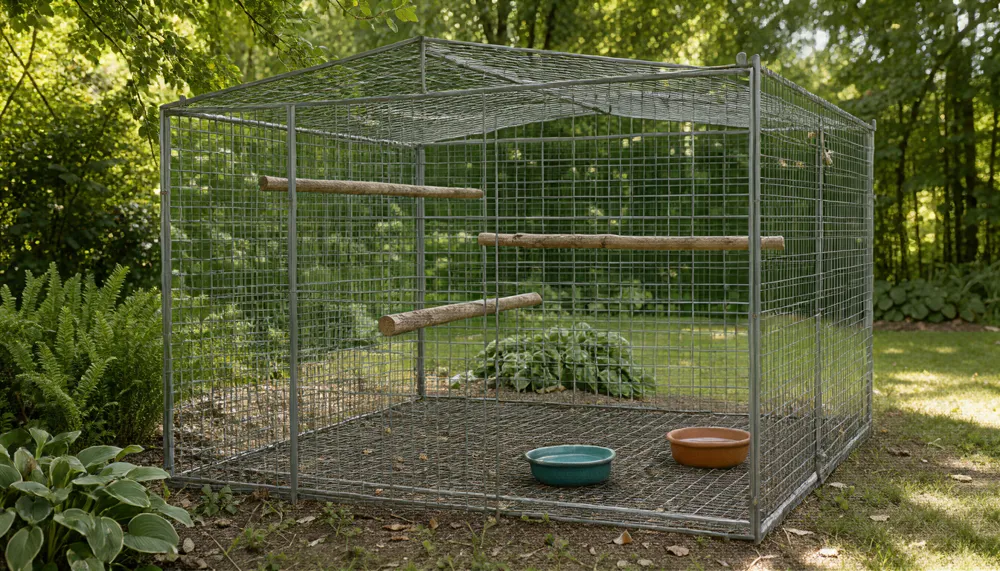
Be mindful of the environment. Do not touch equipment, feeders, or toys unless asked. Keep your voice low to avoid startling the birds. If you have children with you, ensure they understand the rules beforehand. Children should be supervised closely and taught to respect the animals’ space. If the host offers refreshments, accept graciously, but do not linger excessively if the visit was scheduled for a short time. If you notice any issues, such as a dirty water bowl or a broken perch, do not criticize the owner. Instead, frame your observations as questions. For example, "I noticed the water bowl is quite full; how often do you change it?" This approach allows the owner to share their routine without feeling judged. The goal is to learn, not to evaluate.
Gaining Practical Care Tips
One of the primary benefits of visiting local bird owners is the opportunity to gain practical, real-world care tips. While books and online articles provide general information, local owners can offer advice tailored to your specific climate and environment. Pay attention to how they manage temperature and humidity. Ask about their heating or cooling systems, especially if you live in a region with extreme weather. Inquire about their feeding routines. What brands do they trust? How do they store fresh produce? Are there any local foods that their birds particularly enjoy? These details can be invaluable for optimizing your own care regimen.
Health management is another area where local owners can provide unique insights. Ask about their relationships with local avian veterinarians. Which clinics do they recommend? What are the common health issues in your area? Owners who have been keeping birds for years often have a network of trusted professionals and can guide you toward reliable care. Additionally, discuss behavioral management. How do they handle boredom or aggression? What enrichment activities do they use? Observing how they interact with their birds can teach you subtle body language cues that are difficult to learn from text alone. Take notes on these tips and follow up with the owner later if you have further questions. Building a long-term relationship allows you to ask for advice as new challenges arise.
Navigating Cultural Differences
As you connect with bird owners worldwide, it is important to recognize that customs differ by country. In some cultures, hospitality is deeply ingrained, and hosts may go to great lengths to accommodate guests, including providing meals or extended tours. In others, visits may be more formal and time-bound. Research local norms before your visit. For instance, in some regions, it is customary to remove shoes before entering a home, while in others, this is not expected. Gift-giving practices also vary. In some countries, certain gifts may be considered inappropriate or unlucky. When in doubt, ask the host for guidance or choose neutral, universally appreciated gifts.
Language barriers can also play a role. If you are visiting an owner in a different country, consider using translation apps or learning a few basic phrases in the local language. This effort shows respect and can help break the ice. Be aware of religious or cultural sensitivities regarding animals. In some cultures, certain birds may have symbolic meanings or taboos associated with them. Approach these topics with curiosity and respect, avoiding assumptions. If you are unsure about a particular custom, it is better to ask politely than to risk offending your host. Flexibility and an open mind are your best tools for navigating these differences. By adapting to local customs, you demonstrate that you value the relationship beyond just the bird-keeping aspect.
Conclusion
Connecting with local bird owners for aviary tours and tips is a rewarding endeavor that can significantly enhance your bird-keeping experience. By actively seeking out communities, making respectful initial approaches, and preparing thoroughly for visits, you can build lasting relationships with fellow enthusiasts. Remember to prioritize hygiene, observe etiquette, and listen attentively to gain practical insights. Be mindful of cultural differences and adapt your approach to suit local customs. These connections not only provide valuable knowledge but also foster a sense of community and shared passion. As you explore these opportunities, you may find that platforms like TodayMap show such posts on a free live map, helping you discover nearby events or groups with ease. Ultimately, the key to successful interactions is respect, curiosity, and a genuine love for birds. By following these guidelines, you can enjoy meaningful exchanges that benefit both you and the owners who generously share their spaces and expertise.
 Offering to Shovel Snow for Elderly Neighbors in Winter
 How to Connect with Other Visitors at a Local Art Museum
 Finding a Pickup Volleyball Partner at the Beach or Park
 Making Friends at Your Local Independent Bookstore
 Steps to Find a Lost Cat in Your Neighborhood Using Local Alerts
 Offering to Help Neighbors Rake Leaves and Clear Gutters