
Connecting with Local Aquarium Hobbyists to Swap Fish and Tanks
November 6, 2026
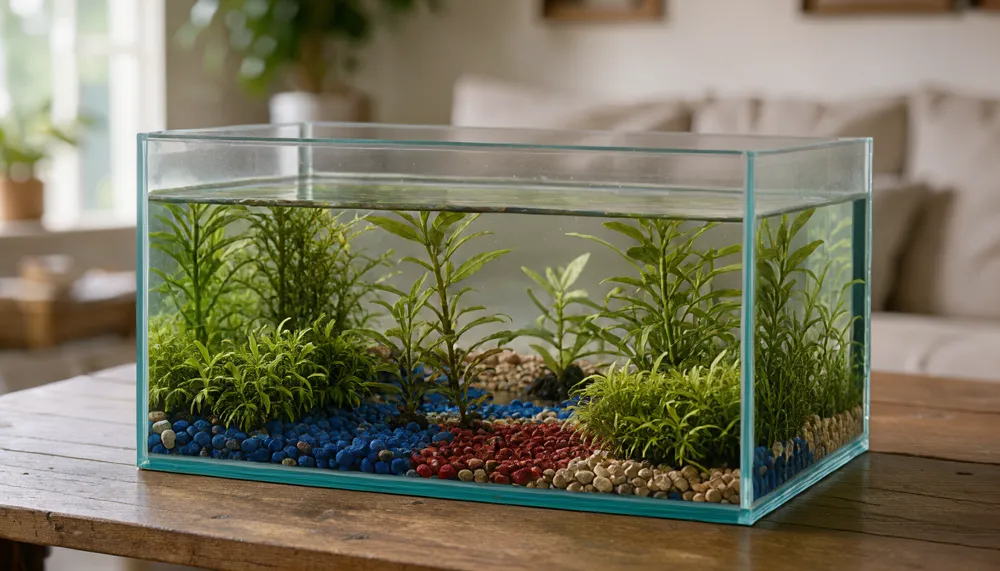
The aquarium hobby is often a solitary pursuit, conducted in the quiet of a home or office, but it thrives on community. Whether you are looking to upgrade your tank setup, find a new home for a growing school of tetras, or acquire a used stand at a fraction of the retail price, connecting with local hobbyists is one of the most effective ways to do so. Unlike online marketplaces that ship fragile livestock across continents, local swaps allow for face-to-face interactions, immediate health checks, and the exchange of knowledge that only comes from shared experience. This guide outlines how to find these communities, navigate the social and logistical aspects of swapping, and ensure a safe, successful exchange for both you and your aquatic charges.
Finding Your Local Community
The first step is identifying where hobbyists in your area congregate. While social media platforms are popular, they are not the only avenue. Start by visiting local independent fish stores. These shops often serve as community hubs, hosting weekly meetups, bulletin boards, or dedicated social media groups for their customers. Strike up conversations with staff and regulars; they are usually eager to point newcomers toward active local clubs or online forums specific to your city or region.
Beyond physical stores, look for regional aquarium societies. Many countries have national or state-level organizations that maintain lists of local chapters. These groups often organize monthly meetings, fish auctions, or swap meets. If you are in a rural area, you may need to expand your search radius to the nearest major city. Additionally, general classified sites and community boards often have specific categories for pets and aquariums. When searching online, use specific keywords such as "aquarium swap," "fish club," or "local tank sale" combined with your city name to filter out irrelevant results.
Navigating Regional Customs and Regulations
It is crucial to remember that aquarium culture and regulations vary significantly by country and even by state or province. What is considered a casual backyard swap in one region might require permits in another. For instance, some jurisdictions have strict rules regarding the transport of live animals, requiring specific containers or temperature controls during transit. Always check local wildlife or agricultural department guidelines if you are moving species across county or state lines, particularly if you are dealing with native species or those that are restricted in certain areas.
Social customs also differ. In some cultures, haggling over the price of used equipment is expected and welcomed, while in others, it may be seen as rude unless the item is clearly listed as "negotiable." Observe the norms of the specific group you join. If you are new to the area, ask experienced members about local etiquette. Furthermore, be aware of quarantine laws. Some regions require a waiting period before introducing new fish to your home tank to prevent the spread of disease. Understanding these local nuances will help you integrate smoothly into the community and avoid legal or social faux pas.
Preparing Your Items for Swap
Whether you are offering fish, tanks, or decorations, preparation is key to a successful exchange. For fish, the most important factor is health. Never swap fish that are showing signs of illness, such as clamped fins, white spots, or lethargy. It is good practice to quarantine new fish for at least two weeks before offering them to others, ensuring they are disease-free. When preparing fish for transport, use clean, dechlorinated water and oxygen-filled bags. Label each bag clearly with the species name, approximate size, and any specific care requirements.
For tanks and equipment, cleanliness is paramount. Scrub algae from glass and remove any substrate or decorations that cannot be easily cleaned. If you are giving away a tank, ensure it is free of cracks and that the silicone seals are intact. Provide any original manuals or parts, such as filter cartridges or light bulbs, if available. For used decorations, rinse them thoroughly with water only—avoid soap, which can be toxic to fish. Taking clear, well-lit photos of your items before the swap helps set accurate expectations and saves time during the actual exchange.
The Art of the Swap: Etiquette and Logistics
When arranging a swap, communication is essential. Agree on a meeting place that is convenient for both parties, such as a public parking lot, a park, or the parking lot of a local fish store. Public places are safer and more neutral than private homes, especially for first-time meetings. Confirm the time and location in writing to avoid misunderstandings. If you are exchanging fish, try to meet during cooler parts of the day to reduce stress on the animals during transport.
Be punctual and respectful of the other person’s time. If you are receiving items, inspect them carefully before leaving. Check for leaks in tanks, ensure filters run smoothly, and observe the fish for active swimming and clear eyes. If you are giving items, be honest about their condition. If a tank has a minor scratch or a filter is missing a part, disclose this upfront. Transparency builds trust and encourages future exchanges. Remember that swaps are often informal; while some people may ask for a small fee to cover transport costs, many are happy to trade items of equal value or give away equipment they no longer need.
Leveraging Digital Tools for Local Discovery
In the digital age, technology can streamline the process of finding local hobbyists. While general social media groups are useful, specialized platforms can offer more targeted results. For example, TodayMap shows such posts on a free live map, allowing you to visualize where other hobbyists are active in your vicinity. This can be particularly helpful in large cities where community groups may be fragmented across different neighborhoods. By seeing the geographic distribution of swap posts, you can identify clusters of activity and join the most relevant local discussions.
When using these digital tools, maintain a professional and friendly tone in your posts. Include clear photos, detailed descriptions, and your general location (without giving away your exact address until you are ready to meet). Respond promptly to inquiries and be clear about whether you are looking to buy, sell, or trade. If you are new to the platform, spend some time reading through existing posts to understand the community’s style and expectations. This digital footprint also serves as a reference; if you have a positive history of swaps, other members may be more willing to trade with you in the future.
Health and Safety Considerations
Safety extends beyond just the physical exchange of goods. When handling fish, use clean nets and buckets to prevent cross-contamination between your home tank and the swap partner’s tank. If you are visiting someone’s home to pick up a large tank, bring a friend or family member for assistance and safety. Large aquariums are heavy and awkward to move, and having an extra pair of hands can prevent injury and damage to the equipment.
For the fish themselves, temperature control is critical. If you are transporting fish in a car, ensure the vehicle is climate-controlled. Avoid leaving bags in direct sunlight or in a hot car for extended periods. If the swap involves a long drive, consider using insulated boxes or heat packs in winter. Additionally, be mindful of allergies. Some people are sensitive to certain types of fish food, dried shrimp, or even the dust from new substrate. If you are meeting someone with known allergies, discuss this beforehand and take precautions, such as sealing food items tightly.
Building Long-Term Relationships
The true value of connecting with local hobbyists lies in the relationships you build. A one-time swap is beneficial, but a network of trusted contacts is invaluable. After a successful exchange, follow up with a thank-you message. Share updates on how the fish are settling in or how the new tank is working out. This feedback loop fosters goodwill and keeps the lines of communication open. Over time, you may find yourself invited to exclusive club meetings, private sales, or group trips to fish shows.
Consider reciprocating the favor. If you have extra plants, spare parts, or advice to offer, share it freely. The aquarium community is generally generous with knowledge, and being an active, helpful participant will establish your reputation as a reliable and friendly hobbyist. This social capital can lead to opportunities that money cannot buy, such as early access to rare species or help with complex tank setups. By investing in these local connections, you enrich your hobby and contribute to a vibrant, supportive community.
Conclusion
Connecting with local aquarium hobbyists is a rewarding way to enhance your fish-keeping experience. By leveraging local stores, clubs, and digital tools, you can find partners for swapping fish, tanks, and equipment. Success depends on preparation, clear communication, and adherence to local customs and health guidelines. Whether you are a beginner looking for your first tank or an experienced keeper seeking rare species, the local community offers resources and camaraderie that online shopping cannot match. Start by visiting your nearest fish store, joining a local group, and engaging with fellow enthusiasts. With patience and respect, you will build a network that supports your hobby for years to come.
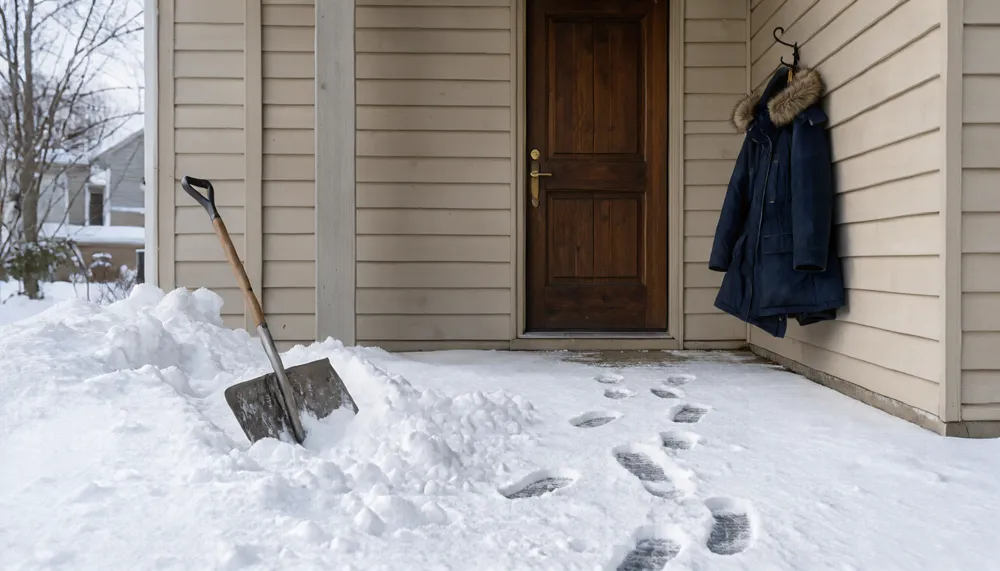 Offering to Shovel Snow for Elderly Neighbors in Winter
 How to Connect with Other Visitors at a Local Art Museum
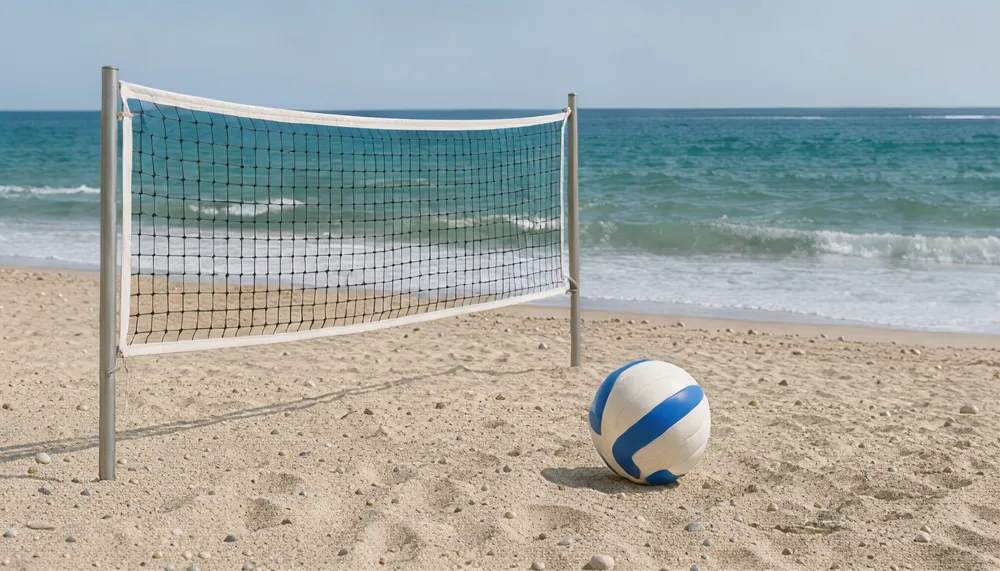 Finding a Pickup Volleyball Partner at the Beach or Park
 Making Friends at Your Local Independent Bookstore
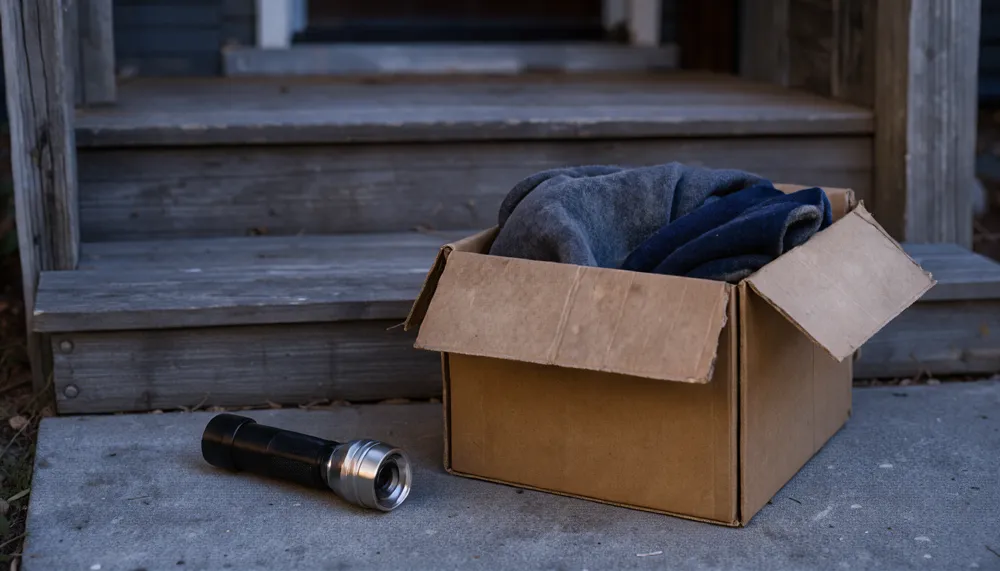 Steps to Find a Lost Cat in Your Neighborhood Using Local Alerts
 Offering to Help Neighbors Rake Leaves and Clear Gutters