
Tips for chatting with other parents at the playground
October 14, 2026
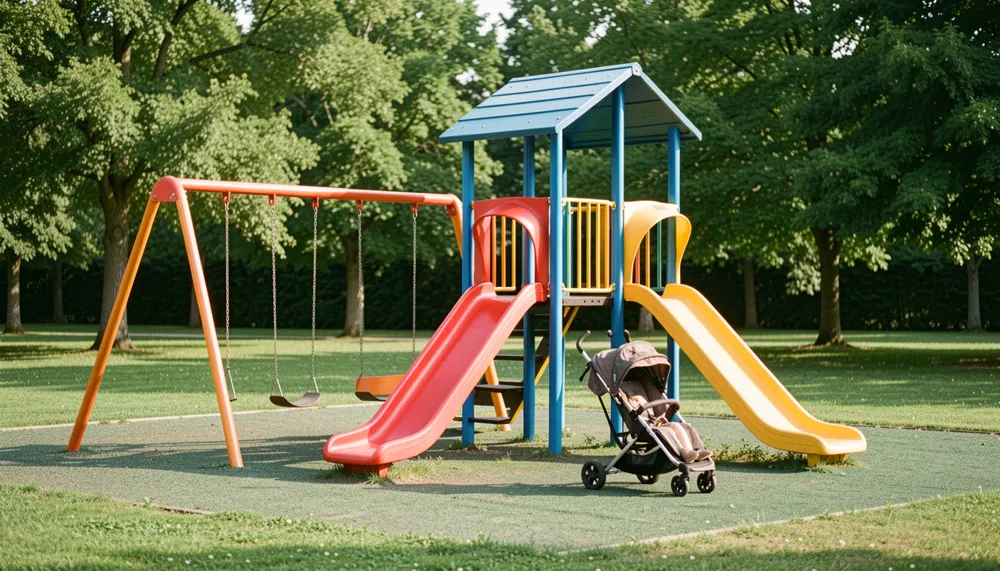
Playgrounds are unique social hubs where adults gather while children play. For many parents, these spaces offer a rare opportunity to connect with others who share similar daily routines and challenges. However, initiating conversation in a public space can sometimes feel awkward or intimidating. Whether you are a new parent, a seasoned caregiver, or simply someone looking to build a stronger local community, effective communication at the playground can enhance your daily experience. This guide provides practical strategies for engaging with other parents, keeping in mind that social norms vary significantly across different cultures and regions. By understanding basic principles of respectful interaction and adapting to local customs, you can turn brief moments at the playground into valuable connections.
Understanding the Context of Playground Interactions
Before diving into specific conversation tips, it is helpful to understand the environment in which these interactions occur. Playgrounds are often busy, noisy, and dynamic spaces. Children are moving, crying, laughing, and playing, which means attention spans are naturally shorter. Unlike a quiet café or a structured meeting, a playground requires you to be adaptable and present. In many countries, the playground is seen primarily as a functional space for children’s physical development, while in others, it serves as a primary social hub for caregivers. Recognizing this context helps set realistic expectations for conversation length and depth. You are not aiming for a deep philosophical debate but rather a friendly, brief exchange that acknowledges shared experiences. Being aware of the noise level and the activity of your child helps you gauge when it is appropriate to speak and when to simply observe.
Reading the Room and Timing Your Approach
One of the most important skills in playground communication is timing. Not every moment is suitable for starting a chat. Observe the other parent’s body language and current activity. If they are actively chasing a toddler, managing a stroller, or helping a child tie their shoes, they may be focused on immediate tasks rather than conversation. In contrast, if they are sitting on a bench watching their child play, they may be more open to interaction. In some cultures, direct eye contact and immediate engagement are welcomed, while in others, a gentle nod or a smile is preferred before speaking. Pay attention to these cues. If a parent seems rushed or distracted, a brief compliment about their child’s outfit or a simple greeting might be sufficient. If they seem relaxed, you might have room for a slightly longer exchange. The key is to respect their current focus and not interrupt their caregiving duties unnecessarily.
Starting Conversations with Simple Observations
Opening lines do not need to be complex. In fact, simplicity often works best in busy environments. Start with observations about the immediate environment or the children’s activities. Comments about the weather, the playground equipment, or a child’s interesting play style are natural icebreakers. For example, noting how a child is building a tower with blocks or how they are navigating the climbing structure can lead to a shared moment of appreciation. Avoid overly personal questions initially. Instead, focus on shared experiences common to parenting, such as the challenges of nap times, the joy of seeing milestones, or the universal struggle of keeping children warm in winter or cool in summer. These topics are relatable and low-pressure. Remember that customs differ by country; in some places, small talk is expected and encouraged, while in others, brevity and directness are valued. Adjust your opening style to match the observed norms of your local community.
Active Listening and Respectful Engagement
Once a conversation begins, active listening becomes crucial. This means giving your full attention to the speaker, even amidst the noise of the playground. Put away your phone if possible, or at least glance away from the screen to show engagement. Nodding, smiling, and offering brief verbal acknowledgments like "yes," "right," or "that makes sense" helps maintain the flow of conversation. Avoid interrupting unless necessary for safety or clarity. In many cultures, listening is considered a sign of respect and interest. When responding, keep your answers concise but thoughtful. Share your own experiences briefly to create a reciprocal dialogue, but avoid dominating the conversation. If the other parent seems eager to share their thoughts, let them finish before adding your perspective. This balance creates a comfortable atmosphere where both parties feel heard and valued. If you are unsure about the appropriate level of engagement, observe how other locals interact and mirror their style.
Navigating Cultural Differences in Communication Styles
Global mobility means that playgrounds often host families from diverse backgrounds. Understanding that communication styles vary by culture can prevent misunderstandings. In some countries, direct and efficient communication is preferred, with little time spent on pleasantries. In others, building rapport through small talk and personal anecdotes is essential before discussing practical matters. Be mindful of these differences. If you are in a culture that values brevity, keep your comments short and to the point. If you are in a culture that emphasizes relationship-building, take the time to exchange names and basic background information. Additionally, be aware of personal space norms. Some cultures prefer close proximity during conversation, while others maintain a larger distance. Observing and adapting to these preferences shows respect and helps create a comfortable interaction. Avoid making assumptions about parenting styles based on cultural stereotypes. Instead, approach each interaction with curiosity and openness, recognizing that every family has its own unique approach to caregiving.
Handling Common Scenarios and Challenges
Playgrounds can present specific scenarios that require thoughtful handling. For instance, if your child is interacting with another child, it is natural to engage with the other parent to coordinate play or ensure safety. Use these moments to build brief, positive connections. If a conflict arises between children, approach the other parent calmly and collaboratively. Focus on finding a solution that works for both children rather than assigning blame. In cases where you need to leave quickly, a polite excuse such as "I need to get home for lunch" is sufficient and respectful. If you encounter a parent who seems uninterested in conversation, respect their boundary. A simple smile and a nod can acknowledge their presence without forcing interaction. Remember that not every interaction needs to be lengthy or profound. Sometimes, a brief exchange of smiles or a quick comment about the weather is enough to foster a sense of community. Consistency in these small interactions can build familiarity over time, leading to more comfortable and meaningful connections in the future.
Building Long-Term Connections
While initial conversations may be brief, they can lay the groundwork for ongoing relationships. If you find yourself at the same playground regularly, try to remember names and details from previous interactions. Asking about a child’s recent milestone or a family event shows that you were listening and care about their well-being. Over time, these small gestures can lead to deeper friendships or support networks. In some communities, playground connections evolve into playdates, shared childcare duties, or social gatherings. Be open to these possibilities but respect individual preferences for socializing. Some parents may prefer casual acquaintanceships, while others seek close friendships. Gauge interest by observing how the other parent responds to invitations or follow-up conversations. If they seem receptive, suggest a specific time for a future meeting. If they seem hesitant, keep the interaction light and friendly. Building long-term connections takes patience and consistency, but the rewards can be significant for both parents and children.
Conclusion
Chatting with other parents at the playground is a valuable opportunity to build community and share experiences. By observing the environment, respecting cultural norms, and engaging in active listening, you can create positive and meaningful interactions. Start with simple observations, adapt your communication style to local customs, and remain respectful of others’ time and space. These tips help transform brief moments into connections that support your parenting journey. Whether you are seeking advice, companionship, or simply a friendly face, the playground offers a welcoming space for connection. Embrace these opportunities with openness and curiosity, and you will find that these small interactions contribute to a richer, more connected daily life.
 Making friends at your local yoga studio
 Finding a bike buddy for your daily commute
 Making friends while volunteering at a community garden