
Finding a bike buddy for your daily commute
October 15, 2026
Introduction
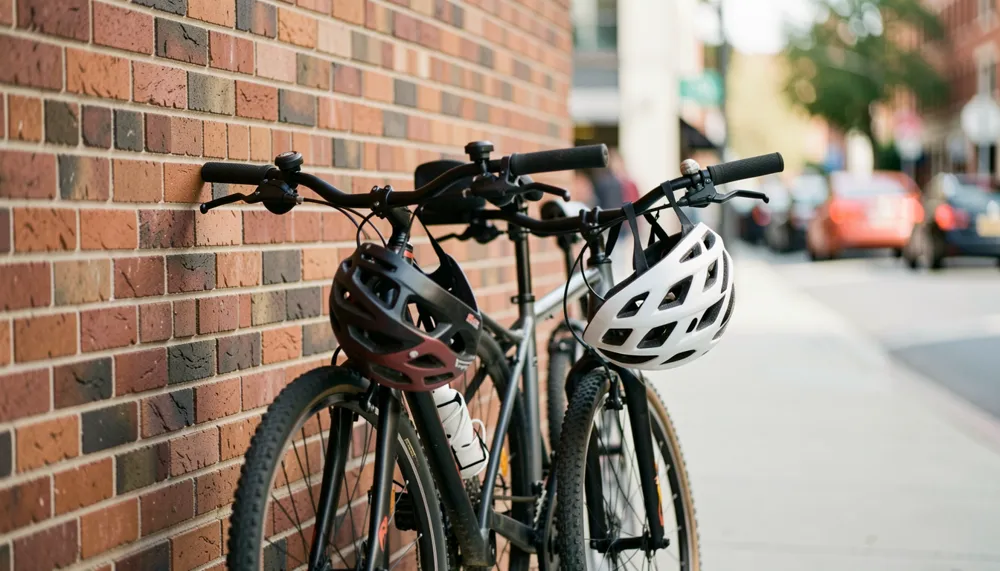
Cycling to work is a rewarding habit that combines exercise, environmental consciousness, and often, faster travel times in congested cities. However, the experience can sometimes feel solitary, especially if you are the only one in your household or office who rides. Finding a bike buddy can transform this routine into a social activity, providing motivation, safety in numbers, and shared knowledge about routes and maintenance. While the concept of a "bike buddy" is universal, the customs surrounding how people meet and interact vary significantly by country. In some regions, community cycling groups are highly organized and formal, while in others, informal meet-ups at local cafes or transit hubs are the norm. This guide provides practical steps to help you find a compatible cycling partner, regardless of where you live, ensuring that your daily commute becomes a more enjoyable and efficient experience.
Define Your Commuting Style and Needs
Before searching for a partner, it is essential to understand your own preferences and constraints. A successful pairing relies on compatibility, and mismatched expectations can lead to frustration or early dissolution of the partnership. Start by assessing your typical pace. Do you prefer a leisurely ride that allows for conversation, or do you aim for a brisk, efficient commute to maximize time savings? Consider your route preferences as well. Some riders prefer direct, high-speed paths, while others enjoy scenic routes that may take slightly longer but offer a more pleasant experience.
Additionally, consider your schedule flexibility. Are you able to leave at exactly the same time every day, or does your schedule fluctuate? If your start times vary, you might need a buddy who is equally flexible or someone who is comfortable waiting briefly. Think about your bike type and gear. If you ride a lightweight road bike and your potential buddy rides a heavy cargo bike, your speeds and handling characteristics will differ significantly. Being honest about these factors from the start helps filter for compatible matches. Write down your key criteria, such as preferred departure time, average speed, and route length, to use as a checklist when evaluating potential partners.
Leverage Local Community Resources
The most effective way to find a bike buddy is often through local community channels. These resources vary by region, but the underlying principle is connecting with people who share your geographic area and commuting habits. In many cities, local cycling clubs or advocacy groups host regular meet-ups or group rides. Attending these events is a low-pressure way to meet potential partners. Observe the riders who share your pace and route direction. After the ride, introduce yourself and ask if they are interested in coordinating a regular commute. This approach works well in countries with strong community cycling cultures, where group rides are a common social activity.
Online platforms are another powerful tool. Many cities have dedicated Facebook groups, Nextdoor communities, or local forum threads for cyclists. Search for terms like "bike commute," "cycling group," or "bike buddy" combined with your city name. Post a clear, concise message outlining your route, schedule, and preferences. Include details such as your starting neighborhood, destination, and typical departure time. This specificity helps attract people who are genuinely compatible with your routine. Additionally, check if your workplace has a cycling committee or a bulletin board. Colleagues are often the easiest partners to find because you already share a destination and likely have similar work schedules. Mentioning that TodayMap shows such posts on a free live map can help you visualize where other commuters are located, making it easier to identify nearby riders.
Establish Clear Communication Protocols
Once you have identified potential partners, clear communication is vital to establish a sustainable routine. Misunderstandings about timing, route changes, or weather conditions can disrupt the partnership. Agree on a primary method of communication, such as text messages, email, or a specific messaging app. Decide how far in advance you will confirm your ride for the next day. Some pairs prefer to confirm the night before, while others communicate on the morning of the ride. Consistency in communication reduces uncertainty and helps both parties plan their mornings effectively.
Discuss how you will handle deviations from the routine. What happens if one person is running late? Agree on a reasonable waiting time, such as five or ten minutes, after which the other rider proceeds without waiting. This prevents resentment and ensures that neither person feels held up unnecessarily. Also, discuss how you will handle weather changes. Will you ride in rain or snow, or will you switch to public transport? Agreeing on these scenarios in advance prevents last-minute cancellations and confusion. Clear protocols create a reliable framework that respects both riders' time and preferences.
Prioritize Safety and Route Planning
Safety is a critical component of any commuting partnership. Riding with a buddy can enhance safety through visibility and mutual assistance, but it requires coordination. Review your route together to identify potential hazards, such as busy intersections, poorly lit streets, or areas with heavy traffic. Decide on a primary route and a backup route in case of construction or closures. Sharing knowledge about safe parking spots, repair shops, and water refill stations along the way can enhance the experience for both riders.
Consider the importance of visibility and communication on the road. Agree on hand signals or verbal cues for turning, stopping, or slowing down. This is particularly important in countries where cycling infrastructure varies widely. In some regions, bike lanes are well-marked and separated from traffic, while in others, cyclists share the road with cars. Understanding these local nuances helps both riders navigate safely. Additionally, discuss how you will handle mechanical issues. If one bike breaks down, what is the plan? Agree on whether you will wait, take separate transport, or meet at the destination. Having a predefined plan reduces stress and ensures that minor issues do not derail the entire commute.
Adapt to Cultural and Seasonal Variations
Cycling customs differ significantly across cultures, and being aware of these differences can help you find a compatible buddy. In some countries, cycling is primarily seen as a leisure activity, and commuters may prefer shorter, more relaxed rides. In others, cycling is a practical, high-efficiency mode of transport, and riders may prioritize speed and punctuality. Observe the local cycling culture in your area to align your expectations with those of potential partners. For instance, in cities with extensive bike-sharing programs, riders may be more accustomed to flexible, spontaneous meet-ups, while in areas with private bike ownership, riders may prefer consistent, scheduled partnerships.
Seasonal changes also impact commuting habits. In regions with distinct seasons, you may need to adjust your partnership during winter or rainy seasons. Discuss how you will handle these transitions. Will you continue riding year-round, or will you take breaks during extreme weather? Some buddies may prefer to ride only during mild weather months, while others are committed to all-season cycling. Being flexible and understanding these seasonal patterns helps maintain the partnership throughout the year. Additionally, consider local holidays or events that may affect traffic patterns or parking availability. Sharing this knowledge can help both riders plan more effectively and avoid unnecessary delays.
Maintain the Partnership with Mutual Respect
A successful bike buddy relationship thrives on mutual respect and flexibility. Recognize that both riders have different needs and constraints. If one person needs to leave early for a meeting, accommodate this change without judgment. Similarly, if one rider prefers a faster pace, find a compromise that works for both, such as riding together for part of the route and then splitting up. Regular check-ins can help ensure that the partnership remains satisfying for both parties. Ask your buddy if the current routine is working or if adjustments are needed. This open dialogue fosters a positive relationship and prevents minor issues from becoming major obstacles.
Celebrate small milestones, such as completing a certain number of rides together or discovering a new shortcut. These shared experiences strengthen the bond and make the commute more enjoyable. Remember that the goal is to enhance your daily routine, not to create additional stress. If the partnership is not working, be honest and respectful in ending it. Seek a new buddy who better matches your evolving needs. The cycling community is often supportive and interconnected, so finding a new partner is usually straightforward. By maintaining a positive and respectful attitude, you can create a lasting and beneficial commuting partnership.
Conclusion
Finding a bike buddy for your daily commute is a practical way to enhance your cycling experience, providing motivation, safety, and social interaction. By defining your commuting style, leveraging local resources, establishing clear communication, prioritizing safety, adapting to cultural variations, and maintaining mutual respect, you can find a compatible partner who shares your goals. Remember that customs and preferences vary by country, so remain flexible and open to different approaches. With patience and clear communication, you can transform your daily commute into a more enjoyable and efficient routine, benefiting both your health and your well-being.
 Making friends while volunteering at a community garden
 How to find a hiking partner for weekend trails
 Tips for chatting with other parents at the playground