
Making friends while volunteering at a community garden
October 15, 2026
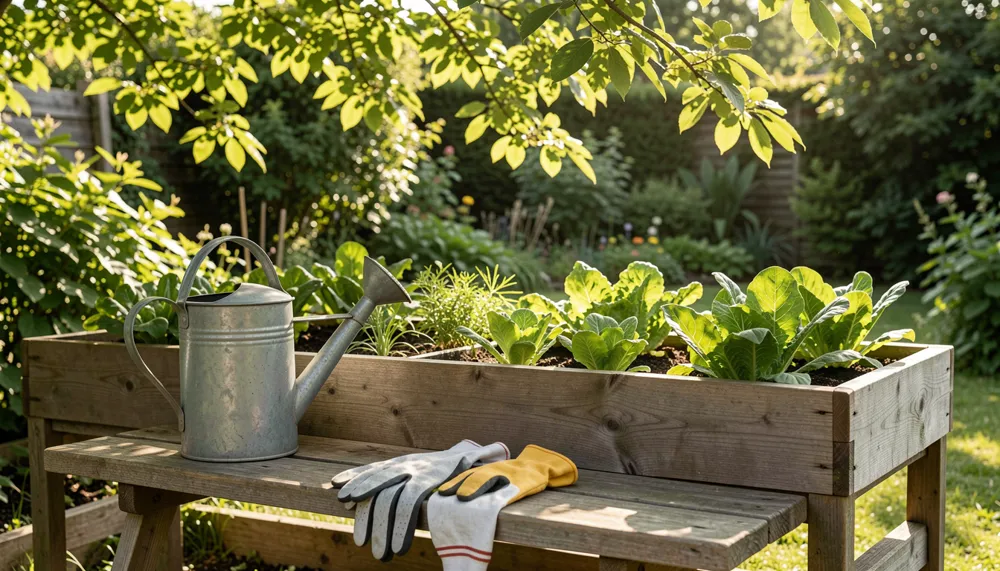
Community gardens are vibrant hubs of activity, offering a unique blend of physical labor, nature appreciation, and social interaction. For many volunteers, the primary motivation is to contribute to local green spaces or learn about sustainable gardening practices. However, these spaces also serve as excellent venues for building genuine friendships. Unlike traditional social settings, community gardens provide a structured yet relaxed environment where interactions are naturally facilitated by shared tasks and common goals. This guide explores practical strategies for making friends while volunteering in these settings, emphasizing the importance of active participation, clear communication, and cultural sensitivity. By focusing on these elements, volunteers can transform routine gardening duties into opportunities for lasting connections.
Embrace Shared Tasks as Conversation Starters
One of the most effective ways to connect with others in a community garden is to engage directly with the work itself. Gardening tasks often require teamwork, such as moving heavy soil bags, installing trellises, or organizing compost piles. These activities create natural opportunities for interaction without the pressure of forced small talk. When you approach a task with enthusiasm and a willingness to help, you signal to others that you are a reliable and engaged member of the group. This shared effort fosters a sense of camaraderie that can quickly evolve into friendship.
To maximize these opportunities, consider the following approaches:
- Ask for input: When starting a task, ask nearby volunteers for their advice or preferences. For example, asking how they prefer to arrange plants or manage water flow shows respect for their experience and invites dialogue.
- Offer assistance proactively: If you see someone struggling with a heavy load or a complex tool, offer to help. This simple gesture breaks the ice and establishes a cooperative dynamic.
- Work alongside others: Instead of isolating yourself in a corner, choose tasks that allow you to work near other volunteers. Proximity encourages casual conversation and makes it easier to join ongoing discussions.
By focusing on collaborative work, you create a foundation of mutual respect and shared accomplishment. These interactions are often more meaningful than brief exchanges in crowded social venues because they are rooted in tangible results and shared effort.
Practice Active Listening and Genuine Curiosity
Effective communication is the cornerstone of any friendship, and community gardens provide a rich context for meaningful conversations. People who volunteer in these spaces often have diverse backgrounds, interests, and motivations. Some may be seasoned horticulturists, while others are beginners eager to learn. Regardless of their experience level, most volunteers appreciate being heard and understood. Active listening involves paying full attention to what others say, asking follow-up questions, and showing genuine interest in their perspectives.
To practice active listening effectively:
- Maintain eye contact: When speaking with another volunteer, look at them rather than scanning the garden or checking your phone. This demonstrates respect and attentiveness.
- Ask open-ended questions: Instead of yes-or-no questions, ask about their gardening journey, favorite plants, or reasons for volunteering. For example, "What inspired you to start gardening in this space?" invites a more detailed response.
- Reflect back what you hear: Paraphrase their comments to show understanding. Saying, "So you find that composting helps reduce waste significantly," confirms that you are engaged in the conversation.
Curiosity also extends to understanding different gardening techniques and philosophies. Some volunteers may prefer organic methods, while others focus on native plants or water conservation. By showing interest in these diverse approaches, you demonstrate openness and respect for different viewpoints. This intellectual exchange can deepen connections and lead to shared learning experiences. Remember that listening is not just about waiting for your turn to speak; it is about truly understanding the other person’s perspective and responding thoughtfully.
Respect Cultural Differences in Social Interaction
Community gardens attract people from various backgrounds, each bringing unique cultural norms and expectations regarding social interaction. Understanding and respecting these differences is crucial for building inclusive and friendly relationships. In some cultures, direct eye contact and firm handshakes are standard greetings, while in others, softer gestures or indirect communication may be preferred. Being aware of these variations helps avoid misunderstandings and fosters a welcoming atmosphere.
Consider these tips for navigating cultural differences:
- Observe local customs: Pay attention to how other volunteers greet each other and interact. Mimicking these behaviors can help you blend in and show respect for local norms.
- Be mindful of personal space: Different cultures have varying expectations regarding physical proximity. Some may prefer standing close during conversations, while others value more distance. Adjust your behavior based on the comfort level of those around you.
- Use inclusive language: Avoid jargon or idioms that may not translate well across cultures. Clear, simple language ensures that everyone can participate in conversations comfortably.
It is also important to recognize that customs differ by country and region. What is considered polite in one location may be seen as intrusive in another. By staying observant and adaptable, you can navigate these differences gracefully. This flexibility not only enhances your social interactions but also enriches your overall experience in the community garden. Embracing diversity in communication styles leads to more authentic and respectful connections with fellow volunteers.
Participate in Group Activities and Events
Many community gardens organize regular events, such as planting days, harvest festivals, or educational workshops. These gatherings provide structured opportunities to meet new people and strengthen existing connections. Participating in these activities allows you to engage with a broader range of volunteers and learn about different aspects of gardening and community life. Unlike casual drop-in visits, organized events often have a clear agenda, which helps facilitate focused interactions and shared experiences.
To make the most of these events:
- Arrive early: Showing up before the event starts gives you time to settle in and greet others in a relaxed manner. Early arrivals are often more available for conversation.
- Join small groups: During workshops or tours, pair up with others to complete tasks or discuss topics. Small group settings encourage more intimate and meaningful exchanges.
- Share your skills: If you have expertise in a particular area, offer to share tips or lead a short demonstration. Teaching others is a great way to establish credibility and initiate conversations.
These events also provide a platform for ongoing engagement. After an event, you might exchange contact information with fellow participants to continue discussions or plan future gardening projects. Consistent participation in group activities helps build familiarity and trust over time, laying the groundwork for lasting friendships. By actively engaging in these communal experiences, you demonstrate commitment to the garden and its community, which others will appreciate and reciprocate.
Follow Up and Maintain Connections
Building friendships is not just about initial interactions; it requires ongoing effort to maintain connections. After meeting someone in the community garden, follow up with them to reinforce the relationship. This can be as simple as sending a message to thank them for their help during a planting day or inviting them to join you for a future gardening session. Consistent follow-up shows that you value the connection and are interested in continuing the relationship.
Effective follow-up strategies include:
- Send a brief message: A short note acknowledging a shared experience or complimenting their gardening skills can keep the connection alive.
- Invite them to specific activities: Instead of a vague invitation, suggest a concrete plan, such as attending the next workshop or helping with a specific project. Specific invitations are easier to accept and plan around.
- Share relevant resources: If you come across an article or tip related to their interests, share it with them. This demonstrates thoughtfulness and keeps the conversation relevant.
Maintaining connections also involves being reliable. If you commit to helping with a task or attending an event, make sure to follow through. Reliability builds trust and shows that you are a dependable friend. Over time, these small efforts accumulate into strong, supportive relationships that extend beyond the garden. By staying engaged and consistent, you transform casual acquaintances into meaningful friendships that enrich both your personal and community life.
Conclusion
Making friends while volunteering at a community garden is a rewarding process that combines shared labor with meaningful communication. By embracing collaborative tasks, practicing active listening, respecting cultural differences, participating in group events, and maintaining consistent follow-up, volunteers can build strong and lasting connections. These strategies not only enhance the social experience but also contribute to a more cohesive and supportive community garden environment. Remember that genuine friendships develop through mutual respect, shared interests, and consistent engagement. As you continue to volunteer, approach each interaction with openness and curiosity, and you will find that the garden becomes a place of both growth and connection. For those interested in discovering more community-focused activities, TodayMap shows such posts on a free live map, helping you find local opportunities to engage with your neighborhood.
 Finding a bike buddy for your daily commute
 How to find a hiking partner for weekend trails
 Tips for chatting with other parents at the playground