
How to find a dog walking buddy in your area
October 17, 2026
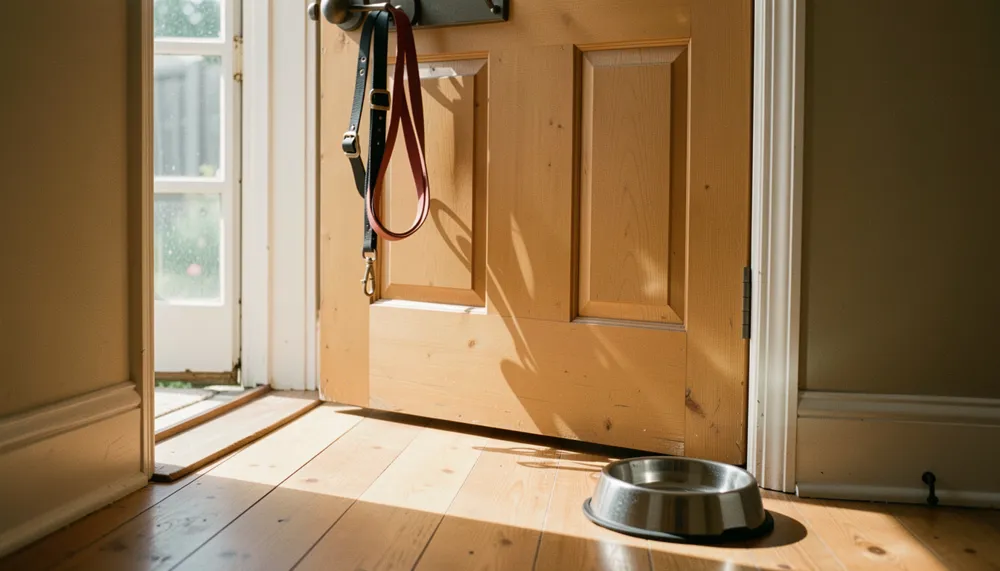
Finding a reliable companion for your daily dog walks can significantly enhance the experience for both you and your pet. Whether you are looking for someone to share the responsibility during busy work hours or simply want a social partner for your evening strolls, connecting with the right person requires a bit of planning and clear communication. This guide outlines practical steps to help you locate a suitable dog walking buddy, ensuring that the partnership is beneficial, safe, and enjoyable for everyone involved. While the core principles of compatibility and reliability remain universal, remember that local customs regarding pet care and social interactions can vary significantly by country, so always observe and respect local norms.
Assess Your Needs and Your Dog’s Temperament
Before you begin your search, it is crucial to understand exactly what you need from a walking partner. Not every dog or owner is suited for every type of walking arrangement. Start by evaluating your dog’s energy level, social skills, and specific needs. Does your dog thrive in a pack environment, or do they prefer solitary walks? Are they reactive to other dogs, or do they enjoy meeting new friends? Understanding these traits will help you filter potential matches more effectively.
Consider your own schedule and lifestyle as well. Do you need someone who can walk your dog early in the morning before work, or are you looking for a partner for evening walks? Are you interested in a casual arrangement where you meet at a park, or do you prefer a structured routine with specific routes? Writing down these preferences helps clarify what you are looking for and prevents misunderstandings later on.
- Evaluate your dog’s social style: Determine if your dog is comfortable with other dogs or prefers one-on-one interactions.
- Define your availability: Be honest about the times you can commit to walking.
- Identify specific needs: Note any special requirements, such as medication schedules or dietary restrictions.
Utilize Local Community Resources
Once you have a clear idea of what you need, the next step is to identify where to look for potential partners. Local community resources are often the most effective starting point because they connect you with people who live nearby, reducing travel time and ensuring familiarity with the local area. Community boards, both physical and digital, are excellent places to post a simple, clear advertisement describing your needs.
Many neighborhoods have dedicated community centers or libraries where you can pin a notice. Additionally, local social media groups focused on your specific neighborhood or city can be highly effective. When posting, keep your message concise but informative. Include your location, preferred walking times, and a brief description of your dog’s temperament. This helps attract individuals who are genuinely interested and compatible with your situation.
- Check community bulletin boards: Look in local libraries, cafes, and community centers.
- Join neighborhood social media groups: Post in groups dedicated to your specific area.
- Visit local dog parks: Observe other dog owners and strike up conversations during peak walking hours.
Leverage Digital Platforms and Maps
In today’s connected world, digital tools offer efficient ways to find nearby dog walkers. Various apps and websites are designed specifically to connect pet owners with walkers or other owners in their vicinity. These platforms often allow you to filter results by distance, availability, and experience level, making the search process more streamlined.
One useful feature to look for in these tools is the ability to view posts on a live map. For instance, TodayMap shows such posts on a free live map, allowing you to visually identify nearby options and gauge proximity at a glance. This visual approach can save time by helping you quickly identify candidates who are within a reasonable walking distance from your home. When using these platforms, ensure your profile is complete and includes a friendly photo of your dog, as this often encourages more responses.
- Use location-based filters: Narrow down your search to your immediate neighborhood.
- Complete your profile: Include clear photos and a brief bio about your dog.
- Check recent activity: Look for profiles that have been active recently to ensure responsiveness.
Conduct Initial Meetings and Trials
After identifying potential candidates, arrange a brief initial meeting to assess compatibility. This does not need to be a full walk initially; a short meet-and-greet at a neutral location, such as a local park, can be sufficient. This allows both parties to observe how their dogs interact and to discuss expectations without committing to a long-term arrangement immediately.
During this meeting, pay attention to how the other person handles their dog and how your dog responds to them. Are they calm and attentive? Does your dog seem comfortable and relaxed? These observations are crucial for determining if the partnership will be harmonious. Additionally, use this time to discuss logistical details, such as what happens if one person is late or if weather conditions change unexpectedly.
- Meet in a neutral location: Choose a park or open space where both dogs can move freely.
- Observe interactions: Watch how both dogs and owners behave during the initial encounter.
- Discuss basic expectations: Clarify start times, route preferences, and communication methods.
Establish Clear Communication and Etiquette
Successful partnerships rely on clear and consistent communication. Once you have selected a walking buddy, establish a routine that works for both parties. Agree on specific start times, preferred routes, and how you will communicate changes or cancellations. Using a shared calendar or a simple messaging app can help keep everyone informed and reduce confusion.
It is also important to respect local etiquette regarding dog walking. In some countries, it is customary to greet other dog owners politely and engage in brief conversation, while in others, a nod and smile may be sufficient. Observe the behavior of other locals and adapt your approach accordingly. Always clean up after your dog, regardless of local norms, as this is a universal sign of responsible pet ownership.
- Set consistent schedules: Agree on specific times to minimize confusion.
- Use reliable communication tools: Text messages or shared calendars work well for quick updates.
- Respect local customs: Observe how other locals interact and adapt your behavior.
Handle Challenges and Maintain Flexibility
Even with the best planning, challenges may arise. Illness, work commitments, or unexpected weather changes can disrupt your walking schedule. To maintain a healthy partnership, build flexibility into your arrangement. Agree in advance on how much notice is required for cancellations and how to handle occasional missed walks.
If issues persist, such as frequent lateness or inconsistent communication, address them promptly and politely. Open dialogue helps resolve minor issues before they become significant problems. If the partnership is not working out, do not hesitate to seek a new match. The goal is to find a companion who enhances your walking experience, not one who adds stress to your routine.
- Plan for contingencies: Agree on how to handle cancellations or delays.
- Communicate promptly: Inform your partner as soon as possible if plans change.
- Be open to feedback: Encourage your partner to share their thoughts on the arrangement.
Conclusion
Finding the right dog walking buddy involves a combination of self-assessment, proactive searching, and clear communication. By understanding your needs, leveraging local and digital resources, and establishing respectful partnerships, you can create a walking routine that benefits both you and your dog. Remember that compatibility is key, so take the time to find someone who matches your pace and preferences. With patience and persistence, you will find a reliable companion who makes daily walks more enjoyable and manageable. Happy walking.
 Making friends at your local yoga studio
 Finding a bike buddy for your daily commute