
Finding a compatible walking buddy for your daily routine
October 12, 2026
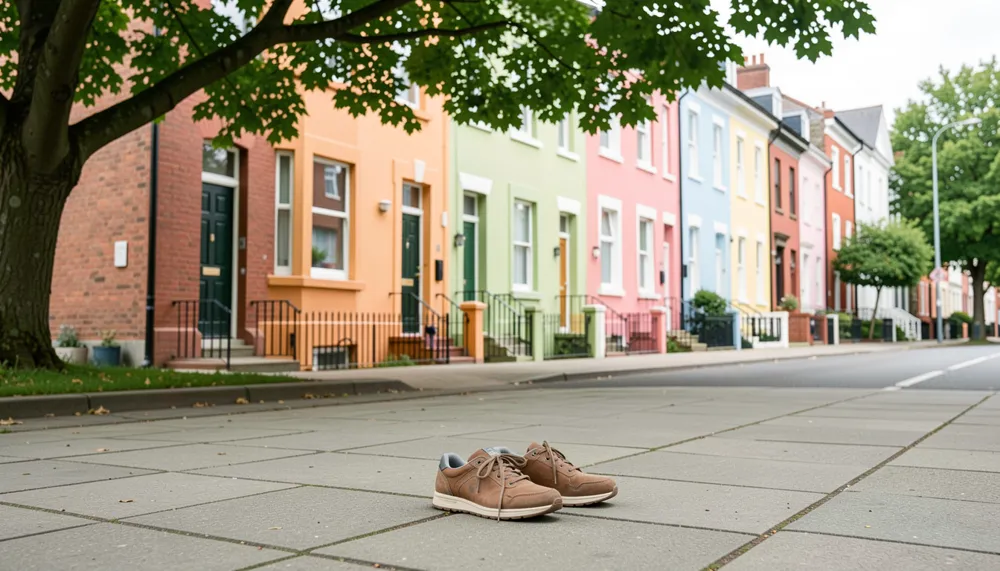
Establishing a consistent walking routine is one of the most accessible ways to improve physical health and mental clarity. While solo walks offer solitude and flexibility, many people find that having a companion adds accountability, motivation, and social connection to the experience. However, finding the right partner is not always straightforward. A mismatch in pace, schedule, or personality can turn a refreshing walk into a chore. This guide explores practical strategies for identifying and maintaining a compatible walking buddy, ensuring that your daily routine remains enjoyable and sustainable for both parties.
Assessing Your Own Walking Preferences
Before seeking a partner, it is essential to understand what you need from a walking companion. Compatibility starts with self-awareness. Consider your primary goal for walking. Are you looking for a brisk, aerobic workout to improve cardiovascular health, or do you prefer a leisurely stroll for mental decompression? These goals require different types of partners. A person seeking a high-intensity interval training session may find a casual walker too slow, while a casual walker might feel rushed by an athlete.
Next, evaluate your schedule. Do you walk early in the morning before work, during lunch breaks, or in the evening after dinner? Consistency is key to building a habit, so identify the time slots that are most reliable for you. If your schedule fluctuates frequently due to work or family commitments, you may need a partner who is equally flexible or someone who is comfortable with occasional cancellations. Understanding your own constraints helps you filter potential partners who share similar availability, reducing friction in the early stages of the partnership.
Finally, consider your communication style. Some people enjoy chatting extensively during walks, using the time to catch up on news or discuss ideas. Others prefer silence or minimal conversation, using the walk as a time for reflection. Knowing your preference helps you find someone who respects your need for quiet or enjoys the same level of dialogue. This initial self-assessment saves time and prevents misunderstandings later on.
Identifying Potential Partners in Your Community
Once you have defined your needs, look for potential partners in environments where people already share similar interests. Local community centers, parks, and libraries often host walking groups or have bulletin boards where individuals seek companions. These venues are effective because attendees are already inclined toward physical activity and community engagement.
Workplaces can also be excellent sources for walking buddies. Colleagues often share similar schedules and break times, making coordination easier. If your office has a wellness program, it may already facilitate connections among employees interested in walking. Even if there is no formal program, simply inviting a colleague to join you for a lunchtime walk can be a low-pressure way to test compatibility. The shared context of work provides a natural conversation starter and ensures that both parties understand the time constraints involved.
Digital platforms are another viable option. Many cities have local community groups on social media or dedicated apps where people post about their walking habits. TodayMap shows such posts on a free live map, allowing you to see nearby individuals who are actively looking for partners. This visual approach can help you identify people in your immediate vicinity, reducing travel time to meet up. When using online platforms, be clear about your expectations in your profile or initial messages to attract compatible matches.
Evaluating Compatibility Through Trial Walks
Meeting someone for the first time can be awkward, so structure your initial interactions to assess compatibility efficiently. Start with short, low-commitment walks. A fifteen to twenty-minute walk is sufficient to gauge pace, conversation style, and overall vibe without overwhelming either party. Choose a neutral location that is easy to access, such as a public park or a quiet neighborhood street.
During these trial walks, pay attention to how your potential partner handles minor inconveniences. Do they complain about the weather, the terrain, or the time of day? A positive attitude is often more important than matching step counts. Observe their listening skills. Do they engage with your comments, or do they dominate the conversation? Good walking partners usually balance talking and listening, creating a comfortable rhythm for both individuals.
It is also helpful to discuss logistics during these initial meetings. Ask about their typical walking speed, preferred routes, and how they handle interruptions. Some people prefer a fixed route, while others like variety. Some may want to stop for coffee, while others prefer to keep moving. Clarifying these preferences early helps avoid surprises. If the first walk feels natural and enjoyable, schedule a second one soon after to reinforce the habit. If it feels forced or mismatched, politely decline further meetings to respect both parties' time.
Establishing Clear Expectations and Boundaries
Once you have identified a compatible partner, establish clear expectations to maintain the routine. Discuss the frequency of your walks. Will you meet daily, three times a week, or only when weather permits? Agreeing on a schedule helps both parties plan their days and reduces the likelihood of last-minute cancellations. If one person needs more flexibility, communicate this upfront so the other can adjust their expectations accordingly.
Decide how you will handle cancellations. Life happens, and unexpected events may prevent someone from walking. Agree on a simple protocol, such as notifying each other at least an hour in advance if possible. This courtesy allows the other person to adjust their schedule without feeling ignored. Avoid making cancellations a habit, as consistency is the foundation of a successful walking partnership.
Consider the duration of your walks. Some people prefer short, frequent walks, while others enjoy longer, less frequent outings. Agree on a typical duration that fits both schedules. If one person wants to extend the walk occasionally, discuss how to handle this. For example, you might agree to keep the main walk short but allow for extra time if both parties are interested. Clear boundaries prevent resentment and ensure that both individuals feel their time is respected.
Adapting to Seasonal and Cultural Differences
Walking habits can vary significantly depending on the season and local culture. In many countries, customs regarding walking differ. For instance, in some cultures, walking is primarily a solitary activity for exercise, while in others, it is a social event involving conversation and community interaction. Understanding these cultural nuances can help you find a partner who aligns with your expectations.
Seasonal changes also impact walking routines. In colder climates, winter months may require adjustments such as dressing warmly, walking during daylight hours, or choosing indoor alternatives like malls. Discuss how you will handle seasonal shifts. Will you continue walking in bad weather, or will you take breaks? Agreeing on these details in advance prevents misunderstandings when conditions change. For example, if one partner prefers indoor walking during rain while the other enjoys outdoor walks regardless of weather, you may need to compromise or agree to separate during inclement conditions.
In regions with extreme heat, walking times may shift to early mornings or late evenings. Be flexible and willing to adjust your schedule to accommodate these changes. Communication is key during these transitions. Check in with your partner regularly to ensure that the current arrangement still works for both of you. Adaptability strengthens the partnership and helps maintain consistency throughout the year.
Maintaining Long-Term Consistency
Keeping a walking routine requires ongoing effort and mutual respect. Celebrate small milestones together, such as completing a month of consistent walks or reaching a certain distance goal. Positive reinforcement helps maintain motivation and strengthens the bond between partners. Simple gestures, like acknowledging a good walk or sharing a healthy snack afterward, can enhance the experience.
If conflicts arise, address them promptly and respectfully. Misunderstandings about pace, route, or timing can accumulate if left unaddressed. Have a brief conversation to clarify expectations and find a solution that works for both parties. Avoid letting minor issues fester, as they can lead to resentment and eventual dissolution of the partnership.
Finally, remain open to change. As your life circumstances evolve, your walking needs may shift. You might need to adjust your schedule, change your pace, or even find a new partner if your current one moves away or changes their routine. Approach these transitions with flexibility and gratitude. A successful walking partnership is built on mutual respect, clear communication, and shared commitment to health and well-being.
Conclusion
Finding a compatible walking buddy enhances your daily routine by adding accountability and social interaction. By assessing your own preferences, identifying potential partners in your community, and establishing clear expectations, you can create a sustainable and enjoyable walking habit. Remember that compatibility is about more than just matching step counts; it involves aligning schedules, communication styles, and attitudes toward consistency. With patience and open communication, you can find a partner who supports your goals and makes walking a rewarding part of your day.
 Finding a bike buddy for your daily commute
 Making friends while volunteering at a community garden
 How to find a hiking partner for weekend trails
 Tips for chatting with other parents at the playground