
Using Community Gardens to Meet Neighbors and Make Friends
October 12, 2026
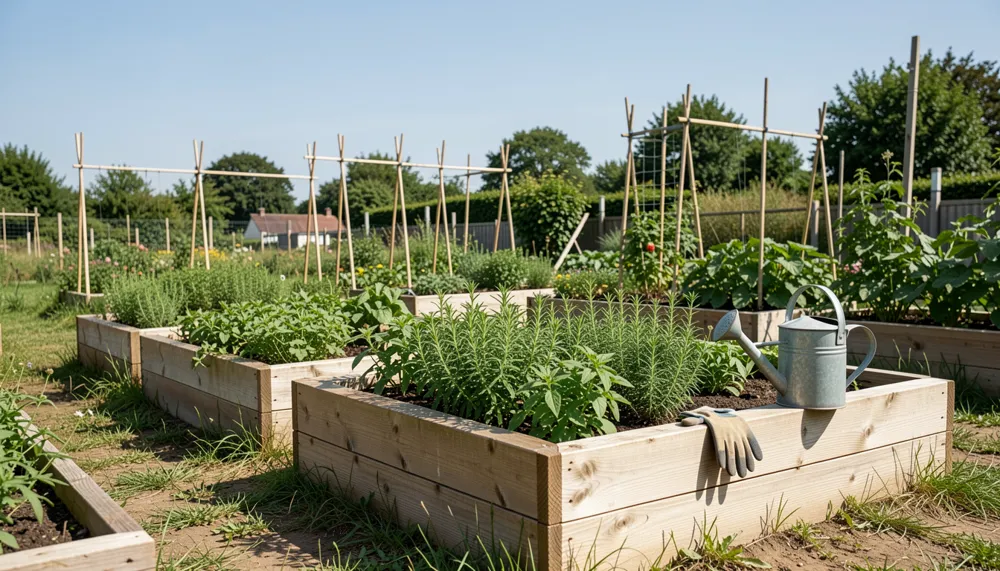
Community gardens offer a unique opportunity to connect with others in your immediate vicinity. Unlike many social settings that require active planning or specific interests, a garden provides a natural backdrop for casual interaction. The shared goal of nurturing plants creates a low-pressure environment where conversations can flow organically. Whether you are in a dense urban center or a quiet suburban neighborhood, these green spaces serve as hubs for community engagement. This guide explores how to effectively use community gardens to meet neighbors and build meaningful relationships, keeping in mind that social customs vary significantly across different regions.
Understanding the Social Dynamics of Shared Spaces
Community gardens are inherently collaborative environments. They rely on shared resources, mutual respect, and collective effort. This structure naturally encourages interaction among participants. When you visit a community garden, you are entering a space designed for cooperation. Understanding this dynamic is the first step toward making friends. In many cultures, the act of working together on a tangible project breaks down social barriers quickly. You do not need to be an expert gardener to participate; you simply need to be present and willing to engage.
The atmosphere in these gardens is often informal. People come to tend their plots, but they also come to enjoy the outdoors and observe the changing seasons. This shared experience creates common ground. You might notice that conversations often start with observations about the weather, the growth of specific plants, or the state of the shared compost bin. These simple topics are effective icebreakers because they are relevant to everyone present. By recognizing that the garden itself is a facilitator of conversation, you can approach interactions with confidence rather than anxiety.
Initiating Conversations Naturally
Starting a conversation in a community garden should feel effortless. The best approach is to observe what others are doing and offer a genuine comment or question. For example, if you see a neighbor planting tomatoes, you might ask about the variety they chose or how long it has been growing. This shows interest in their activity and invites them to share their knowledge. Most gardeners enjoy discussing their plants, so this approach is usually well-received.
Here are some effective ways to initiate dialogue:
- Ask for advice: People generally like to feel helpful. Asking how to care for a specific plant or how to deal with pests can lead to a productive exchange.
- Comment on shared resources: If the garden has a communal tool shed or compost area, discussing the organization of these spaces can be a neutral starting point.
- Offer assistance: If you see someone struggling with a heavy bag of soil or a large pot, offering a hand is a simple way to connect. It demonstrates reliability and kindness.
- Share observations: Noting the beauty of a blooming flower or the success of a harvest can spark a friendly chat about seasonal changes.
It is important to read the room. In some cultures, people prefer brief, polite exchanges, while others enjoy longer, more personal conversations. Observe the body language of those around you. If someone seems busy or focused, a quick smile and nod may be sufficient. If they pause to look up, it is likely a good opportunity to engage further.
Navigating Cultural Differences in Interaction
Social norms regarding friendship and neighborliness vary widely around the world. What feels friendly in one country might seem intrusive in another. Being aware of these differences helps you adapt your approach to fit the local context. In some regions, direct eye contact and immediate personal questions are welcomed as signs of openness. In others, a more reserved approach, focusing on shared tasks rather than personal details, may be preferred.
Consider these general guidelines for adapting to local customs:
- Observe greeting rituals: Some cultures prefer a handshake, others a bow, and others a verbal greeting from a distance. Mimic the behavior of long-time residents to fit in.
- Respect personal space: The distance people maintain during conversation can vary. Pay attention to how close others stand when talking to ensure you are comfortable for both parties.
- Understand time expectations: In some places, arriving exactly on time for a garden meeting is crucial, while in others, a flexible approach is the norm. Align your punctuality with local expectations.
- Be mindful of noise levels: Some communities value quiet contemplation in gardens, while others enjoy lively group discussions. Adjust your volume accordingly.
By respecting these nuances, you show consideration for your neighbors. This respect often leads to warmer interactions. It demonstrates that you are attentive and willing to adapt, which are qualities that foster good relationships. Remember that flexibility is key. What works in one neighborhood may not work in another, even within the same city. Stay observant and adjust your style to match the vibe of the specific garden you are visiting.
Leveraging Shared Tasks for Bonding
Working together on physical tasks is one of the most effective ways to build camaraderie. Community gardens often have communal responsibilities, such as maintaining paths, watering shared beds, or organizing harvest days. Participating in these tasks provides a structured opportunity to interact with others. When you work side-by-side, the focus is on the task, which reduces the pressure of making conversation. However, the shared effort creates a sense of teamwork that can translate into friendship.
Consider joining a group activity if one is available. Many gardens have scheduled work days or volunteer hours. These events are designed to bring people together. During these times, you can meet a wider range of neighbors than you might during solo visits. Here is how to make the most of these opportunities:
- Arrive prepared: Bring your own gloves or tools if needed, but be ready to share. This shows you are a considerate participant.
- Engage in small talk: While working, chat about the task at hand. Discussing how to prune a hedge or how to layer compost can lead to deeper conversations about gardening preferences.
- Follow up: If you have a pleasant interaction during a work day, try to greet that person again on your next visit. Consistency helps build familiarity.
Shared tasks also allow you to demonstrate reliability. Showing up when expected and completing your share of the work builds trust. Over time, this reliability can lead to more informal social interactions, such as sharing coffee after work or exchanging seeds. The key is to be consistent and engaged. Your neighbors will appreciate your contribution, and this appreciation often forms the basis of a friendly relationship.
Using Digital Tools to Enhance Local Connections
While face-to-face interaction is central to community gardens, digital tools can support these efforts. Many neighborhoods have online groups or apps where residents share updates about garden events, plant swaps, or volunteer opportunities. Checking these platforms can help you stay informed about when neighbors are likely to be in the garden. This increases your chances of encountering others and having spontaneous conversations.
TodayMap shows such posts on a free live map, allowing you to see where community activities are happening nearby. This visibility can help you plan your visits to coincide with times when more people are present. However, digital tools should complement, not replace, in-person interaction. Use them to find opportunities to meet people, but prioritize the actual experience of being in the garden. The goal is to use technology as a bridge to real-world connections, not as a substitute for them.
When using digital platforms, keep your interactions brief and helpful. Share useful tips, announce your availability for volunteer work, or ask questions about upcoming events. Avoid overwhelming the group with excessive messages. A concise, friendly presence online can make your in-person interactions smoother, as neighbors may already recognize your name or handle.
Sustaining Friendships Beyond the Garden
Meeting neighbors is just the beginning. Sustaining these connections requires ongoing effort. Once you have established a rapport with someone in the garden, look for ways to extend the interaction. This might involve exchanging contact information for plant swaps, inviting someone to a nearby café after gardening hours, or collaborating on a small project. The key is to keep the interactions low-pressure and consistent.
Consider these strategies for maintaining connections:
- Exchange seeds or cuttings: This is a natural extension of gardening interests. It provides a reason to meet again and share knowledge.
- Celebrate harvests: If your garden has a harvest festival or potluck, attend it. These events are designed for socializing and are often less structured than work days.
- Check in regularly: A simple hello when you see your neighbor in the garden reinforces the connection. Consistency builds familiarity.
- Be open to different interests: Not every neighbor will share your passion for gardening. Be open to learning about their interests, whether it is cooking, crafts, or local history.
Remember that friendships take time to develop. Do not expect immediate deep connections. Instead, focus on building a network of friendly acquaintances who share your space. Over time, these acquaintances can become friends. The garden provides a steady rhythm of interaction, with seasonal changes offering natural topics for conversation. By staying engaged and respectful, you can turn a shared green space into a hub of meaningful relationships.
Conclusion
Community gardens are powerful tools for building local connections. They offer a natural setting for interaction, grounded in shared interests and collaborative tasks. By approaching these spaces with openness, respect for cultural norms, and a willingness to engage, you can meet neighbors and form lasting friendships. Start by observing the environment, initiating simple conversations, and participating in shared activities. Use digital tools to stay informed, but prioritize face-to-face interactions. With patience and consistency, your community garden can become a vibrant center for social connection, enriching both your gardening experience and your local community life.
 How to find a dog walking buddy in your area
 Making friends at your local yoga studio