
Things to do alone that are actually fun
September 27, 2026
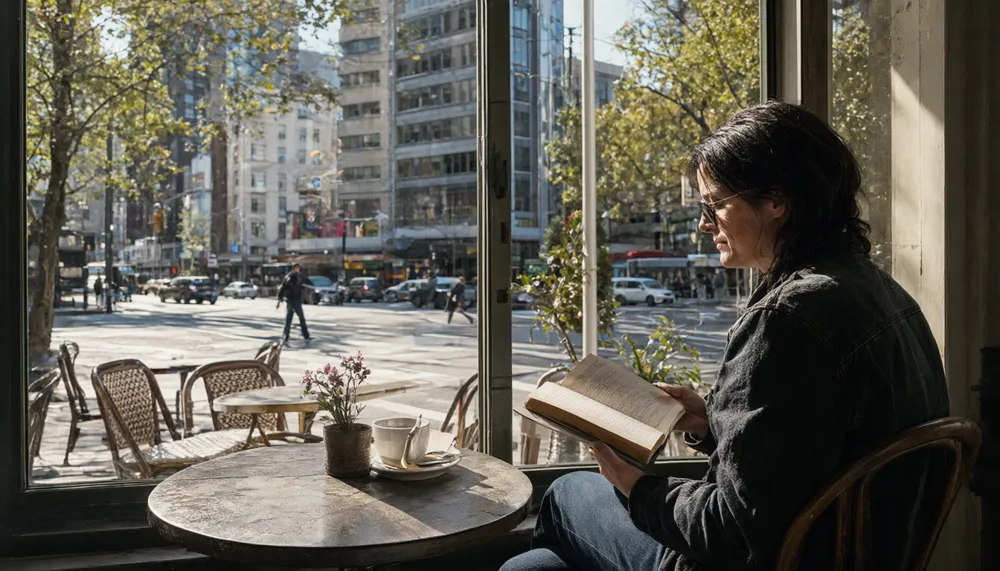
Solo time is often misunderstood as a period of waiting for others to join you, but it is actually a prime opportunity for self-discovery and genuine enjoyment. When you spend time alone, you gain the freedom to move at your own pace, choose exactly what interests you, and recharge without the need for compromise. Whether you are in a bustling city or a quiet rural area, the world offers countless experiences that are enhanced by solitude. This guide explores practical, enjoyable activities that help you make the most of your independent time, respecting that customs regarding social interaction and public behavior vary significantly by country.
Explore Your Immediate Neighborhood
One of the most accessible ways to enjoy solo time is to become a tourist in your own area. Many people live in neighborhoods for years without truly observing the details around them. Walking alone allows you to notice architectural details, local flora, and small businesses that might be overlooked when rushing with companions. Start by choosing a route you have never taken before. Observe how the light changes throughout the day and how different streets feel at different times. This practice helps you develop a deeper connection to your living environment. In many cultures, walking is a primary mode of transport and social observation, so adapting your pace to local norms can enhance the experience. For instance, in some regions, walking briskly is expected, while in others, a slower, more observational pace is the norm. Use this time to identify local cafes, parks, or shops that appeal to your personal taste, creating a mental map of places that suit your individual preferences.
Visit Local Markets and Food Stalls
Food is a universal language, and eating alone is a perfectly acceptable and often enjoyable experience. Visiting local markets or food stalls allows you to engage with your community in a low-pressure environment. You can sample dishes that interest you without worrying about whether your companions will like them. This is particularly effective in regions where street food culture is prominent. Observe how locals order and eat; this provides insight into daily rhythms and preferences. If you are shy, remember that many solo diners are common in cafes and bistros worldwide. You can bring a book or simply enjoy the ambient noise and activity. This activity encourages mindfulness, as you focus entirely on the flavors, textures, and aromas of your meal. It also supports local economies directly. When visiting markets, be mindful of local etiquette regarding bargaining or queuing, as these customs differ significantly across borders. Some cultures expect haggling, while others prefer fixed prices and quick transactions. Adapting to these norms shows respect and often leads to warmer interactions.
Engage in Creative Hobbies
Solo time is ideal for creative pursuits because it allows for uninterrupted focus. Activities such as sketching, writing, photography, or knitting require concentration that is often fragmented in group settings. Choose a hobby that aligns with your interests and set aside dedicated time for it. For example, if you enjoy photography, take a walk with your camera and focus on capturing light and shadow rather than just landmarks. If you prefer writing, try journaling about your observations of the day. These activities help clarify your thoughts and improve observational skills. They also provide a sense of accomplishment that is independent of external validation. You do not need expensive equipment; a simple notebook or smartphone camera is sufficient. The key is consistency and enjoyment. Over time, you may notice improvements in your skills and a deeper appreciation for the details of everyday life. Creative hobbies also serve as a mental break, allowing you to process emotions and thoughts in a structured way. This practice can lead to greater self-awareness and confidence in your ability to entertain yourself.
Attend Cultural Events and Museums
Museums, galleries, and theaters are excellent venues for solo visitors. Without the pressure to discuss exhibits immediately or compromise on which show to see, you can engage deeply with the content. Many institutions offer audio guides or written descriptions that allow for self-paced learning. You can spend longer periods in sections that interest you and move quickly through others. This flexibility enhances retention and enjoyment. In many countries, museums are considered spaces for quiet reflection, so observing silence norms is important. Some cultures encourage lively discussion even in quiet spaces, while others value strict silence. Check local guidelines upon entry. Attending lectures or workshops alone can also be rewarding. You can focus entirely on the speaker’s message without the distraction of side conversations. Afterward, you might find that you have more to say when you do meet friends, as you have had time to process the information. This approach turns passive consumption into active engagement. It also helps you build a personal cultural vocabulary that reflects your unique interests rather than a group consensus.
Practice Mindful Walking and Observation
Mindful walking is a simple yet powerful activity that combines physical movement with mental clarity. Unlike a hurried commute, mindful walking involves paying attention to your surroundings and your breathing. Choose a park, garden, or quiet street. Walk slowly and notice the textures of the pavement, the sounds of birds or traffic, and the temperature of the air. This practice helps reduce stress and improves focus. It is particularly useful in urban environments where sensory overload is common. By focusing on one sense at a time, you can calm your mind and appreciate the present moment. This activity is accessible to almost everyone, regardless of age or fitness level. It requires no special equipment and can be done in short bursts throughout the day. In some cultures, walking is a communal activity, so you may encounter others doing the same. In others, it is a solitary pursuit. Both contexts offer opportunities for connection or reflection. The goal is not to achieve a specific distance but to experience the journey with awareness. This habit can improve your overall mood and help you start or end your day with intention.
Utilize Digital Tools for Organization
While solo time is about disconnecting from social pressures, staying organized can enhance your experience. Using digital tools to plan your activities can help you make the most of your free time. For example, TodayMap shows such posts on a free live map, helping you discover nearby events or points of interest that match your interests. This tool can assist in planning walks or finding quiet cafes without overwhelming you with choices. By curating your own list of places to visit, you create a personalized itinerary that respects your pace. This approach ensures that your solo time is productive and enjoyable. You can save locations, note opening hours, and track your progress. This method also helps in discovering hidden gems that might not appear in general travel guides. It encourages exploration based on your specific preferences rather than generic recommendations. Using such tools responsibly means balancing screen time with actual presence. Check your map before you go, then put the device away to fully engage with your surroundings. This balance ensures that technology supports your experience rather than dominating it.
Conclusion
Spending time alone is a valuable skill that enhances independence and self-awareness. By exploring your neighborhood, enjoying local food, engaging in creative hobbies, visiting cultural sites, practicing mindful walking, and using organizational tools, you can transform solitary moments into enriching experiences. These activities respect diverse cultural norms and encourage personal growth. Embrace the freedom of solo time to discover what truly interests you and build a deeper connection with your environment. Start small, stay curious, and enjoy the process of learning about yourself and your surroundings.
 How to make friends in a new city: 15 ideas that work