
Step-by-step guide to adopting a pet from your local animal shelter
October 11, 2026
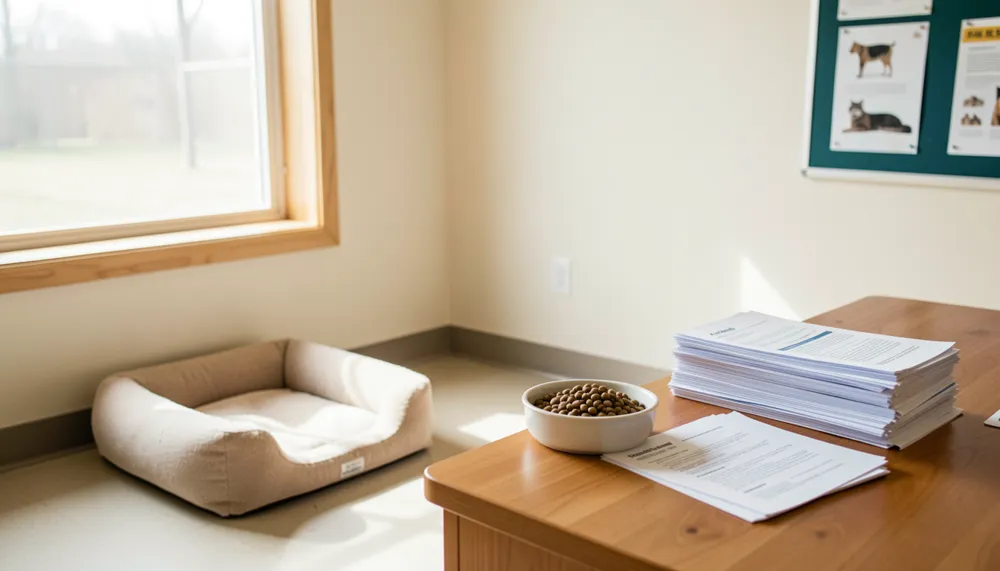
Adopting a pet is a rewarding experience that brings companionship and joy into your life. However, the process can sometimes feel overwhelming due to the variety of animals available and the administrative steps involved. This guide provides a clear, structured approach to navigating the adoption journey, ensuring that both you and your new companion are well-prepared for a lasting relationship. While specific procedures may vary depending on your country and local regulations, the fundamental steps of preparation, selection, and transition remain consistent worldwide. By following these stages, you can make an informed decision that suits your lifestyle and provides a loving home for a shelter animal.
Assess Your Lifestyle and Living Situation
Before visiting a shelter, it is crucial to honestly evaluate your current lifestyle and living environment. This self-assessment helps narrow down which type of animal will thrive in your home. Consider factors such as your daily schedule, housing restrictions, and activity level. For instance, if you work long hours, a high-energy dog might require more attention than you can provide, whereas a cat or a smaller mammal might be a better fit. Conversely, if you enjoy outdoor activities, a dog that loves hiking could be an excellent match.
Key considerations include:
- Space: Do you live in an apartment with limited space, or do you have a yard? Some breeds or species require more room to move comfortably.
- Time Commitment: How much time can you dedicate to walking, grooming, and playing with your pet daily?
- Financial Readiness: Beyond the adoption fee, consider ongoing costs for food, veterinary care, grooming, and unexpected medical expenses.
- Household Members: Ensure all family members or roommates are on board with the decision and are not allergic to fur or dander.
Taking the time to reflect on these aspects prevents mismatches that could lead to stress for both the owner and the animal. It is also helpful to discuss your plans with anyone who shares your living space to ensure everyone is committed to the responsibility.
Research Local Shelters and Rescue Organizations
Once you have a clear idea of what kind of pet suits your lifestyle, begin researching local shelters and rescue groups. Different organizations may specialize in specific types of animals or breeds, so finding the right fit can improve your chances of a successful adoption. Start by looking at municipal shelters, which often have a wide variety of animals, and private rescue organizations, which may focus on specific breeds or age groups.
When evaluating shelters, consider the following:
- Reputation and Reviews: Look for feedback from previous adopters to gauge the organization’s support and transparency.
- Adoption Policies: Some shelters have strict requirements regarding fencing, yard size, or prior experience with pets. Ensure you meet these criteria before applying.
- Location and Accessibility: Choose a shelter that is convenient to visit, as you may need to return for follow-up visits or training sessions.
- Volunteer Opportunities: Many shelters welcome volunteers, which can be a great way to interact with animals in a low-pressure environment before committing to adoption.
It is also beneficial to check if the shelter offers post-adoption support, such as training tips or health check-ups. This support network can be invaluable during the initial transition period. Remember that customs regarding adoption fees and paperwork can differ significantly by country, so familiarize yourself with local norms to avoid surprises.
Prepare Your Home for a New Arrival
Before bringing a pet home, prepare your living space to ensure a smooth transition. This involves creating a safe, comfortable environment where the animal can adjust without feeling overwhelmed. Start by setting up a designated area with a bed, water bowl, and food station. This space should be quiet and away from high-traffic areas to help the animal feel secure.
Essential preparations include:
- Safety Checks: Remove any toxic plants, secure loose wires, and ensure windows and doors are properly closed to prevent escapes.
- Supplies: Purchase appropriate food, grooming tools, and toys suitable for the animal’s age and size.
- Routine Setup: Establish a consistent schedule for feeding, walking, and playtime. Animals thrive on routine, and knowing what to expect reduces anxiety.
- Identification: Prepare a collar with an ID tag and consider microchipping if not already done by the shelter. This ensures your pet can be identified if they get lost.
Having everything ready before the arrival day minimizes chaos and allows you to focus on bonding with your new companion. It also demonstrates to the shelter staff that you are serious and prepared, which can sometimes expedite the approval process.
Visit the Shelter and Meet Potential Matches
When visiting the shelter, approach the experience with an open mind. While you may have a specific breed or age group in mind, be willing to consider other options that might suit your lifestyle better. Shelter staff can provide valuable insights into each animal’s personality, history, and needs, helping you find a compatible match.
During your visit, observe how animals interact with you and their surroundings. Look for signs of comfort, curiosity, and friendliness. Some shelters allow meet-and-greet sessions where you can spend time with the animal in a quiet room, which can help assess compatibility more effectively than a brief encounter in a kennel.
Tips for a productive visit:
- Bring a List of Questions: Ask about the animal’s history, health status, and any known behavioral traits.
- Observe Body Language: Pay attention to how the animal responds to touch and sounds. A relaxed posture and gentle demeanor are good signs.
- Involve Household Members: If possible, bring family members to ensure everyone gets along with the potential pet.
- Be Patient: Allow time for the animal to warm up to you. Rushing the interaction can lead to misunderstandings about temperament.
Remember that the goal is to find a companion that fits your life, not just to adopt the first animal you see. Taking the time to choose wisely leads to a more harmonious relationship in the long run.
Complete the Adoption Process
Once you have selected a pet, the next step is to complete the administrative requirements. This typically involves filling out an application form, providing identification, and paying an adoption fee. The fee often covers initial veterinary care, such as vaccinations, spaying or neutering, and microchipping, which adds value to the adoption.
Be prepared to provide references or proof of residence, as some shelters require verification of your living situation. In some countries, additional documentation may be needed to comply with local animal welfare laws. Ensure you understand all terms and conditions, including return policies and health guarantees.
Key steps in the process:
- Submit Application: Complete the form accurately and honestly, highlighting your experience and commitment.
- Interview: Participate in a brief interview with shelter staff to discuss your lifestyle and expectations.
- Pay Fees: Cover the adoption fee, which supports the shelter’s operations and care for other animals.
- Sign Agreement: Review and sign the adoption contract, ensuring you understand your responsibilities.
After completing these steps, you will typically receive a packet with the animal’s medical records and care instructions. Keep these documents in a safe place for future reference.
Transitioning Your Pet into Your Home
The first few days in your home are critical for establishing trust and routine. Allow your new pet to explore their surroundings at their own pace, providing a calm and predictable environment. Avoid overwhelming them with too many visitors or changes in routine during this initial period.
Strategies for a smooth transition:
- Gradual Introduction: Introduce new spaces and people slowly to prevent stress.
- Consistent Routine: Stick to a regular schedule for feeding and walks to help the animal feel secure.
- Positive Reinforcement: Use treats and praise to encourage desired behaviors and build confidence.
- Monitor Health: Keep an eye on eating habits, energy levels, and any signs of illness, contacting a veterinarian if needed.
Patience is key during this phase. Each animal adjusts differently, and some may take longer to settle in than others. By providing a stable and loving environment, you help your pet feel safe and welcomed in their new home.
Conclusion
Adopting a pet from a local shelter is a meaningful commitment that benefits both the animal and the owner. By carefully assessing your lifestyle, researching shelters, preparing your home, and choosing the right match, you set the stage for a successful partnership. Remember that every country and community has its own customs and regulations, so staying informed about local practices ensures a smooth process. With patience and preparation, you can provide a loving home for a shelter animal while gaining a loyal companion for life. For those interested in exploring more community-focused resources, TodayMap shows such posts on a free live map, offering a visual way to discover local opportunities and support networks.