
How to prepare your pet for a stress-free visit to the local vet
October 11, 2026
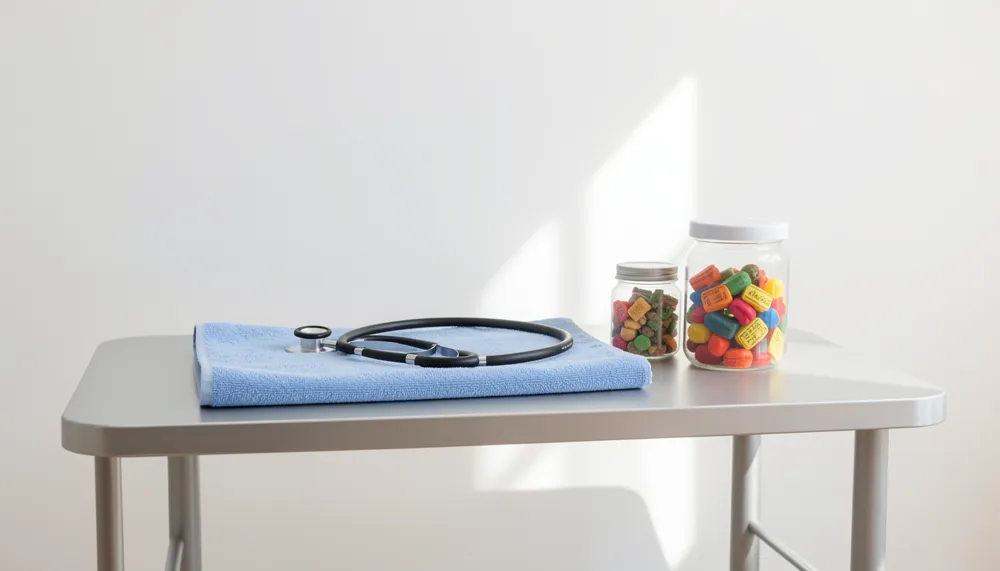
Visiting the veterinarian is an essential part of responsible pet ownership, ensuring your companion stays healthy and happy. However, for many animals, the journey to the clinic can be a source of significant anxiety. The unfamiliar smells, strange noises, and handling by strangers can trigger stress responses that make examinations difficult and unpleasant for both the pet and the owner. Fortunately, with thoughtful preparation and consistent positive reinforcement, you can transform these visits into manageable, even pleasant, experiences. This guide outlines practical steps to help your pet feel more comfortable and confident when visiting their healthcare provider, keeping in mind that local customs and clinic layouts may vary by country.
Establish a Positive Association Early
The foundation of a stress-free visit begins long before you actually leave the house. Many pets associate the carrier or the car with the inevitable trip to the vet, leading to anticipatory anxiety. To counter this, start building positive associations with the travel equipment well in advance. Leave the carrier out in a common area of your home with the door open, allowing your pet to explore it at their own pace. Place familiar bedding or a favorite toy inside to make it a comfortable resting spot rather than a confinement box.
For dogs, getting used to the car is equally important. Take short, pleasant drives that end in a fun activity, such as a walk in a park or a visit to a friend’s house, rather than always heading to the clinic. This helps break the association that "car equals vet." If your pet is hesitant to enter the vehicle, use high-value treats to encourage them to step inside voluntarily. Patience is key here; forcing a pet into a confined space can increase their stress levels. By making the travel equipment and the vehicle part of their daily routine in a positive way, you reduce the novelty and shock of the actual appointment day.
Practice Handling at Home
Veterinary exams involve touching various parts of the animal’s body, including areas that might be sensitive or unfamiliar to them. To minimize discomfort during the actual visit, replicate these handling exercises at home. Start by gently touching your pet’s ears, paws, mouth, and tail while offering treats and praise. This desensitization process helps them become accustomed to being handled in ways they might not experience during regular daily interactions.
Focus on specific areas that vets typically examine:
- Ears: Gently lift the ear flap and look inside, rewarding calm behavior.
- Paws: Hold each paw briefly, checking between the toes and trimming nails if necessary.
- Mouth: Lift the lip to check teeth and gums, ensuring they tolerate having their face touched.
- Tail: Gently lift the tail to inspect the rear area.
Keep these sessions short and positive. If your pet shows signs of discomfort, pause and try again later. The goal is to make them feel safe and rewarded when being touched, so they are less likely to struggle or become anxious when a professional performs a similar examination. Consistency is more effective than intensity; a few minutes of gentle handling each day is better than one long, overwhelming session.
Choose the Right Time and Environment
Timing can significantly impact your pet’s stress levels. Try to schedule appointments during quieter times of the day if possible. Many clinics offer early morning or late afternoon slots that are less crowded. A busy waiting room with multiple animals, loud noises, and unfamiliar people can be overwhelming, especially for shy or reactive pets. If your local clinic allows it, ask if you can wait outside or in your car until it is your turn. This reduces exposure to potential stressors and gives your pet a chance to decompress before entering the exam room.
In some countries, it is common for owners to stay in the waiting area while the vet examines the animal, while in others, owners are encouraged to stay in the room to comfort their pet. Observe what works best for your specific animal. Some pets find comfort in their owner’s presence, while others may become more anxious if they see their owner’s concern. If your pet tends to pace or whine when you are nearby, consider waiting outside the door if the clinic permits it. Always communicate your pet’s temperament to the veterinary staff beforehand so they can adjust their approach accordingly.
Use Familiar Scents and Comfort Items
Scent plays a crucial role in how animals perceive their environment. Bringing familiar scents from home can provide a sense of security in an unfamiliar setting. Place a worn t-shirt or a blanket that smells like you inside the carrier or on the exam table. This familiar aroma can help ground your pet and reduce their anxiety. Additionally, some pets respond well to pheromone diffusers or sprays that mimic natural calming signals. These products are widely available and can be used in the carrier or the waiting area to create a more soothing atmosphere.
Consider bringing a favorite toy or chew treat to keep your pet occupied during the wait. Having something familiar to focus on can distract them from the strange noises and smells of the clinic. However, ensure that the item is safe and appropriate for your pet’s size and chewing habits. If your pet is prone to anxiety, a small, portable blanket that they use at home can serve as a "safe zone" where they can retreat if they feel overwhelmed. This simple addition can make a significant difference in their comfort level, providing a tangible connection to their home environment.
Communicate Clearly with Veterinary Staff
Effective communication with your veterinarian and their team is vital for a smooth visit. Before the appointment, inform the staff about your pet’s temperament, any specific fears they have, and how they typically react to handling. For example, if your cat prefers to stay in their carrier during the exam, let the vet know in advance. Many clinics are willing to accommodate these preferences to reduce stress for both the animal and the staff.
During the visit, observe your pet’s body language and communicate any signs of distress to the vet. If your pet is trembling, hiding, or trying to escape, mention this immediately. Veterinary professionals are trained to handle anxious animals, but they need your input to tailor their approach. In some regions, it is customary for owners to hold their pets during examinations, while in others, the vet handles the animal independently. Follow the lead of the clinic staff, but advocate for your pet’s comfort if necessary. A collaborative approach ensures that the examination is efficient and minimizes unnecessary stress for everyone involved.
Post-Visit Routine and Positive Reinforcement
The experience does not end when you leave the clinic. How you handle the return home can reinforce positive associations with future visits. Upon arriving home, offer your pet a high-value treat or their favorite meal immediately. This creates a positive link between the vet visit and a rewarding outcome. Allow them some quiet time to decompress, especially if they seemed anxious during the appointment. Avoid forcing interaction or play immediately after returning; let them settle back into their routine at their own pace.
Keep a log of how your pet behaved during the visit. Note what worked well and what caused stress. This information can be helpful for future appointments, allowing you to refine your preparation strategy. Over time, as your pet becomes more accustomed to the process, you may notice a decrease in anxiety levels. Consistency in your approach, combined with patience and positive reinforcement, will help your pet view veterinary visits as a normal and manageable part of their life.
Conclusion
Preparing your pet for a veterinary visit requires patience, consistency, and a focus on positive reinforcement. By gradually introducing travel equipment, practicing handling exercises, choosing appropriate appointment times, and using familiar comfort items, you can significantly reduce your pet’s anxiety. Remember that every animal is unique, and what works for one may not work for another. Tailor your approach to your pet’s individual needs and communicate openly with your veterinary team. With time and effort, you can help your companion feel more confident and comfortable during their healthcare visits, ensuring they receive the best possible care with minimal stress. For those looking to find nearby clinics or share tips with other pet owners, platforms like TodayMap show such posts on a free live map, offering a community-driven way to discover local resources and advice.