
How to Meet Neighbors at Your Local Farmers Market
October 13, 2026
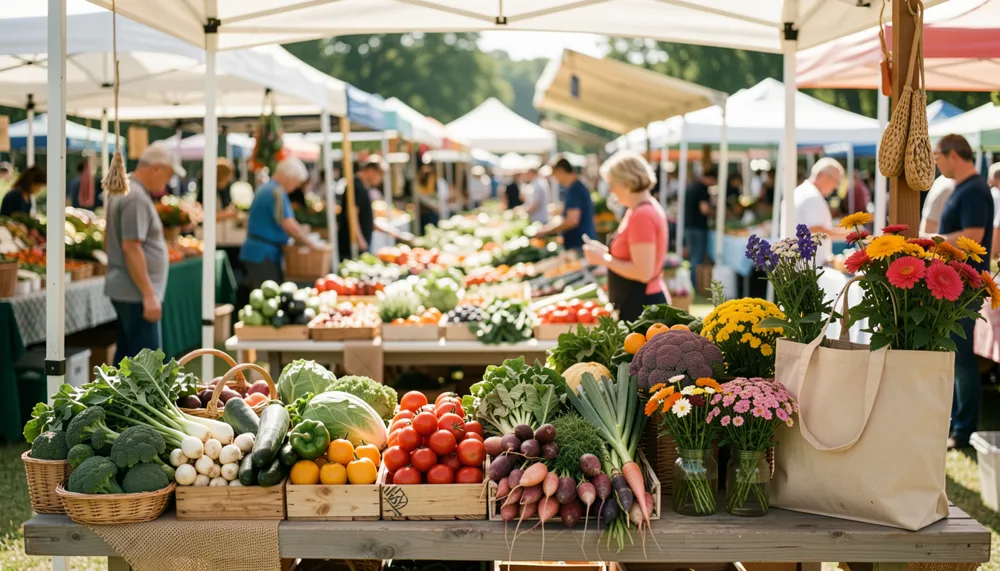
Farmers markets are more than just places to buy fresh produce; they are vibrant community hubs where locals gather to share food, stories, and time. For many people, these markets offer a unique opportunity to connect with neighbors in a relaxed, informal setting. Unlike large supermarkets or online shopping, farmers markets encourage face-to-face interaction and foster a sense of shared locality. However, approaching strangers can sometimes feel daunting, especially if you are new to the area or naturally shy. This guide provides practical strategies to help you navigate these spaces confidently, initiate meaningful conversations, and build lasting connections with the people who live near you. By understanding the rhythm of the market and adopting a few simple social habits, you can transform a weekly grocery run into a rewarding social experience that strengthens your sense of belonging in your community.
Understanding the Market Atmosphere
Before diving into interactions, it is helpful to understand the general vibe of farmers markets. These spaces are typically designed to be leisurely and communal. Unlike the hurried pace of a big-box store, farmers markets often encourage browsing, tasting, and chatting. The atmosphere is usually casual, with an emphasis on freshness, sustainability, and local pride. Recognizing this context helps you adjust your expectations and behavior. You are not just a consumer; you are a participant in a local ecosystem. Most vendors and fellow shoppers appreciate genuine interest and friendly engagement. Keep in mind that the pace of life can vary significantly depending on your location. In some cultures, markets are bustling, loud, and highly interactive, while in others, they may be quieter and more reserved. Observing the local rhythm before engaging fully can help you match the energy of the environment and feel more comfortable.
Preparing for a Successful Visit
A little preparation can make your visit smoother and more enjoyable. Start by choosing a time that suits your schedule and the typical crowd levels. Early mornings often offer the best selection and a calmer atmosphere, while late mornings might be busier but provide more opportunities for casual encounters. Bring reusable bags, cash, and perhaps a small cooler if you plan to buy perishables. Having your own bags shows respect for the environment and often serves as a natural conversation starter with vendors who appreciate sustainability efforts. Dress comfortably for the weather and the amount of walking involved. If you are bringing children or pets, check the market’s policies beforehand, as some locations have specific rules. Being prepared reduces stress, allowing you to focus on enjoying the experience and interacting with others rather than worrying about logistics.
Starting Conversations with Vendors
Vendors are the heart of the farmers market and are often the easiest people to talk to. They are usually passionate about their products and enjoy sharing their knowledge. A simple compliment about the quality of their produce or the arrangement of their stall can open a dialogue. Ask questions about how the food was grown, how to store it properly, or what is currently in season. These questions show genuine interest and invite the vendor to share their expertise. Many vendors are also interested in connecting with regular customers, so mentioning that you live nearby can help establish a rapport. If you are unsure what to ask, observe what other customers are buying and ask for recommendations based on your preferences. Remember that vendors are busy, so keep conversations concise but warm. A friendly smile and a thank you go a long way in building a positive relationship that can lead to future interactions.
Connecting with Other Shoppers
While vendors are easy to approach, connecting with other shoppers requires a slightly different approach. Look for shared interests or situations that naturally invite conversation. For example, if you see someone examining a specific type of vegetable, you might ask if they have tried it before or if they have any tips for preparing it. Waiting in line is another excellent opportunity for brief, friendly chats. Commenting on the weather, the quality of the produce, or the busyness of the market are safe and effective ways to break the ice. Keep your interactions light and positive. Avoid controversial topics or overly personal questions initially. The goal is to create a pleasant moment of connection rather than a deep philosophical discussion. Over time, these brief exchanges can evolve into familiar greetings and more substantial conversations. Being consistent in your visits helps you become a recognizable face in the community, making future interactions more natural and comfortable.
Navigating Cultural Differences
Customs regarding social interaction vary significantly across different countries and regions. In some cultures, it is common and expected to chat briefly with strangers in public spaces, while in others, people may prefer to keep to themselves. Observing local norms is key to successful interaction. Pay attention to how locals greet each other and how much personal space they maintain. In some places, a nod and a smile are sufficient, while in others, a handshake or a brief verbal greeting is standard. Being respectful of these differences shows cultural sensitivity and helps you blend in more easily. If you are unsure, mirroring the behavior of locals is a safe strategy. Additionally, be mindful of language barriers. Speaking clearly and using simple language can help bridge gaps. Patience and a friendly demeanor are universal assets that transcend cultural boundaries. By adapting your approach to fit the local context, you demonstrate respect and openness, which are valued traits in any community.
Building Long-Term Connections
Meeting neighbors is just the first step; building lasting connections requires consistency and follow-through. Try to visit the market regularly, ideally at the same time each week. Familiarity breeds comfort, and seeing the same faces repeatedly helps establish a sense of community. If you have a pleasant conversation with someone, consider exchanging contact information if appropriate, or simply agreeing to meet again next week. Joining community boards or local groups associated with the market can also help deepen these connections. Many markets host events, workshops, or volunteer opportunities that provide structured ways to meet people. Participating in these activities can accelerate the bonding process. Remember that building relationships takes time. Do not expect immediate deep friendships after one visit. Instead, focus on creating positive, repeated interactions. Over time, these small moments accumulate into a strong network of acquaintances and friends who share your interest in local food and community life.
Leveraging Digital Tools for Community
In today’s connected world, digital tools can complement your in-person interactions. Many farmers markets have online directories or social media pages where you can find information about vendors and upcoming events. Using these resources can help you plan your visits and identify vendors or neighbors who share your interests. Some platforms, such as TodayMap, show such posts on a free live map, allowing you to discover local gatherings and community highlights easily. These tools can help you stay informed about market schedules, special offers, and community news. However, remember that digital connections should enhance, not replace, face-to-face interactions. Use online platforms to organize meetups or share recommendations, but prioritize the personal touch of in-person conversations. Balancing digital convenience with real-world engagement ensures that you build authentic relationships while staying connected to your community’s pulse.
Conclusion
Meeting neighbors at your local farmers market is a rewarding way to enhance your social life and strengthen your connection to your community. By preparing adequately, observing local customs, and approaching interactions with warmth and curiosity, you can turn routine shopping trips into meaningful social experiences. Start with simple conversations with vendors and fellow shoppers, and gradually build familiarity through consistent visits. Respect cultural differences and adapt your approach to fit the local environment. With patience and openness, you will find that the farmers market becomes more than just a place to buy groceries; it becomes a vibrant hub of community life where you feel welcomed and connected. Embrace the opportunity to engage with those around you, and enjoy the simple pleasure of sharing a moment with your neighbors.