
How to make friends in a new city: 15 ideas that work
September 27, 2026
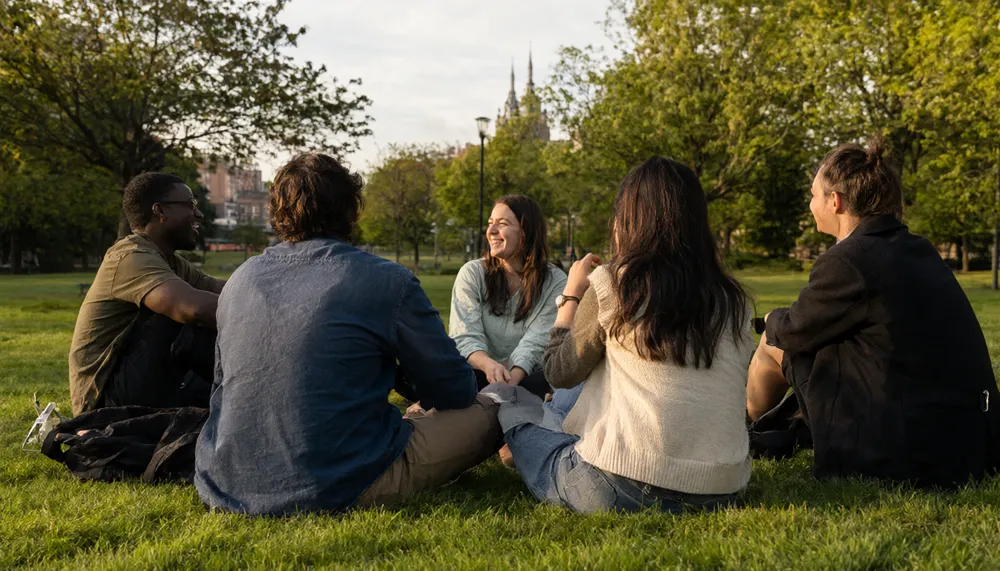
Moving to a new city is an exciting yet daunting experience. While the initial thrill of exploring unfamiliar streets and discovering local cafes can be invigorating, the challenge of building a meaningful social circle often follows. Making friends as an adult requires intentionality, patience, and a willingness to step out of your comfort zone. This guide offers fifteen practical strategies to help you connect with others, tailored for a global audience where social customs may vary. Whether you are in a bustling metropolis or a quiet town, these ideas focus on creating opportunities for genuine interaction through shared interests and consistent presence.
Leverage Shared Interests and Hobbies
One of the most effective ways to meet people is through activities you already enjoy. Shared interests provide a natural foundation for conversation and reduce the awkwardness of initial introductions.
- Join local clubs or groups: Look for book clubs, hiking groups, or board game nights. These settings encourage interaction because everyone is there for the same reason.
- Take a class: Enroll in a cooking, language, or art class. Regular attendance helps build familiarity with classmates, making it easier to strike up conversations over time.
- Volunteer: Participating in community service projects connects you with people who share similar values. Working side-by-side on a task creates a natural bond without the pressure of formal networking.
In many cultures, group activities are preferred over one-on-one meetings. Check local norms to see if group gatherings are the standard way to socialize.
Utilize Your Workplace or Study Environment
Your daily routine often places you in proximity to others who share similar schedules and professional interests. Making the most of these environments can yield lasting friendships.
- Eat lunch with colleagues: Instead of eating alone at your desk, join colleagues in the break room or a nearby cafe. This simple habit can lead to regular social interactions.
- Attend after-work events: Many offices host casual gatherings. Even if you are introverted, attending these events shows willingness to engage with your team.
- Form study groups: If you are a student, forming or joining a study group provides structured time to interact with peers in a low-pressure setting.
Be mindful of workplace etiquette in your specific country. In some regions, socializing after hours is common, while in others, professional boundaries are strictly maintained.
Embrace Local Community Spaces
Public spaces are hubs of community life. Frequenting these areas helps you become a familiar face, which is often the first step toward friendship.
- Visit local cafes regularly: Choose a cafe near your home or workplace and visit it at consistent times. Baristas and regulars often recognize familiar faces and may initiate casual conversation.
- Explore neighborhood markets: Farmers markets and local bazaars are great places to chat with vendors and other shoppers. These interactions are often brief but friendly.
- Use public libraries: Libraries offer quiet spaces for reading but also host events like author talks or workshops. These events attract people interested in learning and discussion.
In many cities, parks and gardens serve as social hubs. Sitting on benches or joining group exercises in parks can be an easy way to meet neighbors.
Attend Local Events and Festivals
Community events provide a festive atmosphere that encourages openness and interaction. These gatherings are excellent for meeting people who are already in a social mood.
- Go to cultural festivals: Attend local holidays, music festivals, or art walks. These events often have communal activities that facilitate conversation.
- Join neighborhood associations: Many neighborhoods have associations that organize clean-up days, potlucks, or meetings. Joining these groups connects you with residents who are invested in the local area.
- Participate in sports leagues: Joining a recreational sports team, such as soccer, basketball, or running clubs, combines exercise with socializing. Team sports naturally foster camaraderie.
Check community boards or local online forums for event listings. In some countries, community centers are the primary hub for local events, while in others, cafes or parks may serve this role.
Use Digital Tools Wisely
Online platforms can complement offline interactions by helping you find groups that match your interests. However, the goal should always be to move interactions offline for deeper connections.
- Join local online groups: Look for Facebook groups, Reddit communities, or apps dedicated to your city. These platforms often organize meetups for hiking, dining, or networking.
- Use event apps: Apps that list local events can help you discover gatherings you might not find otherwise. Filter by interests to find relevant activities.
- Connect with neighbors: Some buildings or neighborhoods have dedicated apps for residents. Using these to introduce yourself can lead to casual meetups in your immediate area.
TodayMap shows such posts on a free live map, helping you visualize where community activities are happening in your vicinity. This can be useful for planning your week and identifying nearby opportunities.
Practice Active Listening and Follow-Up
Meeting people is only half the battle; maintaining connections requires effort. Active listening and consistent follow-up are key to turning acquaintances into friends.
- Ask open-ended questions: Show genuine interest in what others say. Ask about their experiences, opinions, and recommendations for the city.
- Remember details: Note down names and interests after conversations. Referencing these details in future interactions shows that you value the connection.
- Invite people to specific activities: Instead of vague invitations, suggest specific plans, such as visiting a museum or trying a new restaurant. Specificity makes it easier for others to commit.
In some cultures, direct invitations are appreciated, while in others, indirect approaches may be more comfortable. Observe how locals interact and adapt your style accordingly.
Be Patient and Consistent
Building friendships takes time. Do not expect immediate deep connections. Consistency is crucial for establishing familiarity and trust.
- Show up regularly: Attend the same classes, cafes, or events repeatedly. Familiarity breeds comfort and makes interactions smoother.
- Be open to different personalities: You may not click with everyone immediately. Keep an open mind and give people a chance to reveal their character over time.
- Accept rejection gracefully: Not every attempt to connect will succeed. View these instances as part of the process rather than personal failures.
Remember that friendship is a two-way street. Balance your efforts to reach out with allowing others to initiate contact as well.
Conclusion
Making friends in a new city is a gradual process that rewards patience and proactive engagement. By leveraging shared interests, utilizing daily routines, and participating in community life, you create natural opportunities for connection. Respect local customs and adapt your approach to fit the social norms of your environment. With consistent effort and genuine curiosity, you can build a supportive network that enriches your experience in your new home. Start with small steps, stay consistent, and enjoy the journey of discovering new people and places.
 Things to do alone that are actually fun